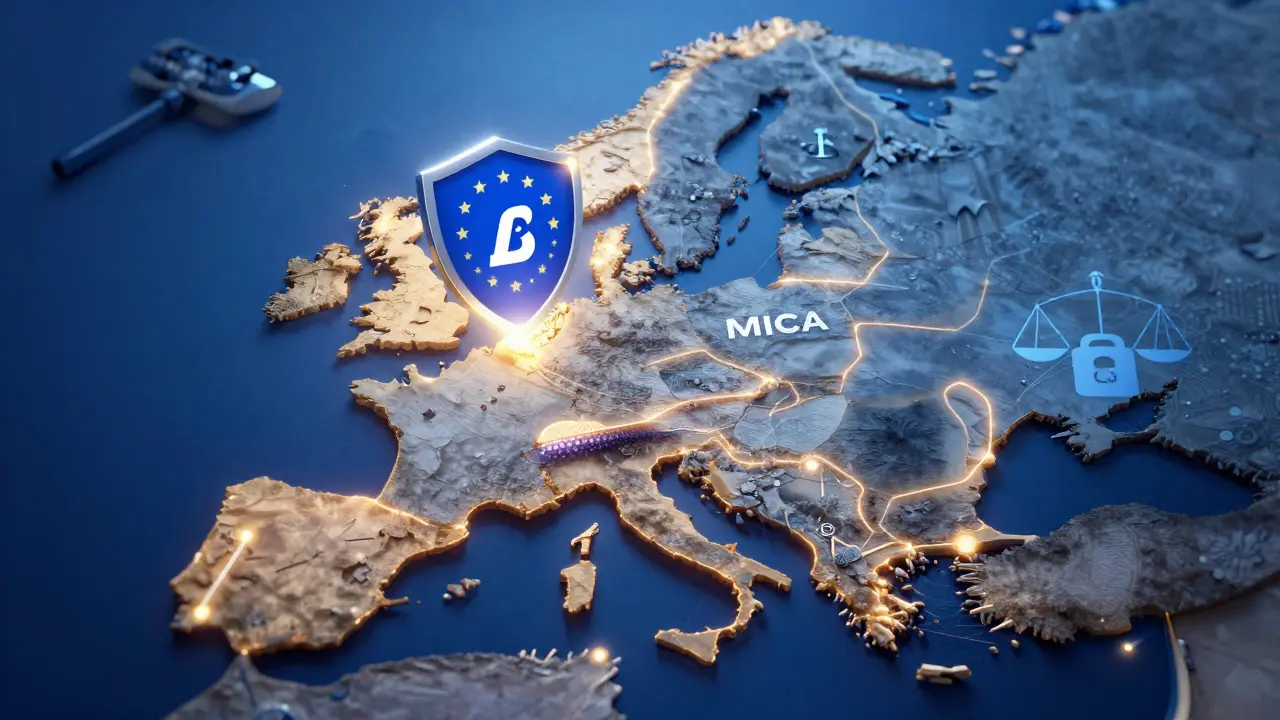
Before MiCA, running a crypto exchange or wallet service across Europe meant dealing with 27 different rulebooks. One country required licensing, another demanded reserve audits, a third banned certain tokens outright. It was messy, expensive, and unpredictable. Now, as of December 30, 2024, that chaos is over - at least for companies that play by the new rules. The MiCA regulation is the first time the EU has created a single, unified system for crypto services across all member states. And it’s changing everything about how crypto businesses operate across borders.
How the EU Passport System Works for Crypto Services
Under MiCA, a crypto company doesn’t need to get licensed in every EU country it wants to serve. Instead, it applies for authorization once - in its home country. That could be Germany, Estonia, Malta, or anywhere else in the EU. Once approved, the company gets an EU passport. That passport lets it offer services in France, Spain, Poland, and all other 26 member states without jumping through more hoops. This isn’t just paperwork. It’s a legal right. The passport means a Dutch crypto exchange can legally serve customers in Italy without setting up a local office or hiring local compliance staff. The same rule applies to custodial wallet providers, token issuers, and decentralized finance platforms that offer regulated services. The home regulator checks the company’s internal controls, financial strength, and anti-money laundering systems. Once they sign off, the rest of the EU has to accept it. But here’s the catch: the passport only works if you’re authorized under MiCA. If you’re not, you’re not allowed to actively market or solicit EU customers - no matter where you’re based.Who Exactly Needs a MiCA License?
MiCA doesn’t just target big exchanges like Binance or Coinbase. It covers any business offering specific crypto services to EU residents. That includes:- Crypto exchanges (buying, selling, trading crypto for fiat or other crypto)
- Custodial wallet providers (holding private keys for users)
- Token issuers (launching new crypto-assets like utility or security tokens)
- Stablecoin issuers (especially those with over 200 million euros in circulation)
- Decentralized platforms that act like centralized services - like lending protocols that match borrowers and lenders directly
What MiCA Demands from Crypto Service Providers
Getting the passport isn’t a checkbox. It’s a full operational overhaul. Companies must prove they can handle:- Own funds: Minimum capital requirements based on business size and risk. A small exchange might need €125,000; a large one could need millions.
- Client asset protection: Crypto assets held for clients must be kept separate from company funds. No commingling. No lending client assets without consent.
- Transparency: Issuers must publish detailed white papers explaining token use, risks, and team background. Stablecoins must prove they have enough reserves to back every coin.
- Market abuse monitoring: Systems to detect insider trading and price manipulation - same as stock markets.
- Outsourcing controls: If you use a third-party cloud provider or payment processor, you’re still responsible for its compliance.

What Happens to Non-EU Crypto Companies?
This is where things get tough for international players. If you’re based in the U.S., Singapore, or Dubai, you can’t just keep serving EU customers the way you did before. MiCA says: if you want to target EU users - even if you’re not physically in Europe - you need an EU legal entity and a full MiCA license. The old loophole - “reverse solicitation” - where EU clients reach out to you first - is now nearly useless. ESMA’s guidelines make it clear: if you have a website in German, run ads in French, or offer EUR deposits, that’s promotion. That’s not reverse solicitation. That’s breaking the rules. Major crypto firms like Kraken and Binance have already set up EU subsidiaries. Kraken got licensed in Germany. Binance moved its EU operations to France. Even smaller players are incorporating in Malta or Lithuania to stay compliant. If you’re a non-EU company and still serving EU customers without a local entity, you’re operating illegally.Stablecoins Are Under Extra Scrutiny
Not all crypto-assets are treated the same. Stablecoins - especially those tied to the euro or dollar - face the toughest rules. If a stablecoin project reaches €200 million in circulation, it’s subject to strict reserve requirements. It must hold assets like cash, government bonds, or highly liquid securities that can be converted quickly if users demand redemption. They also need a clear redemption process. If you hold a euro-backed stablecoin, you must be able to swap it for real euros on demand - no delays, no excuses. The issuer must also prove they have enough liquidity to handle runs - like a bank during a financial panic. This is why projects like Tether and Circle (USDC) had to restructure. Tether now operates its EURT stablecoin through an EU-licensed entity. Circle’s EU arm is fully MiCA-compliant, with reserves audited monthly and published online.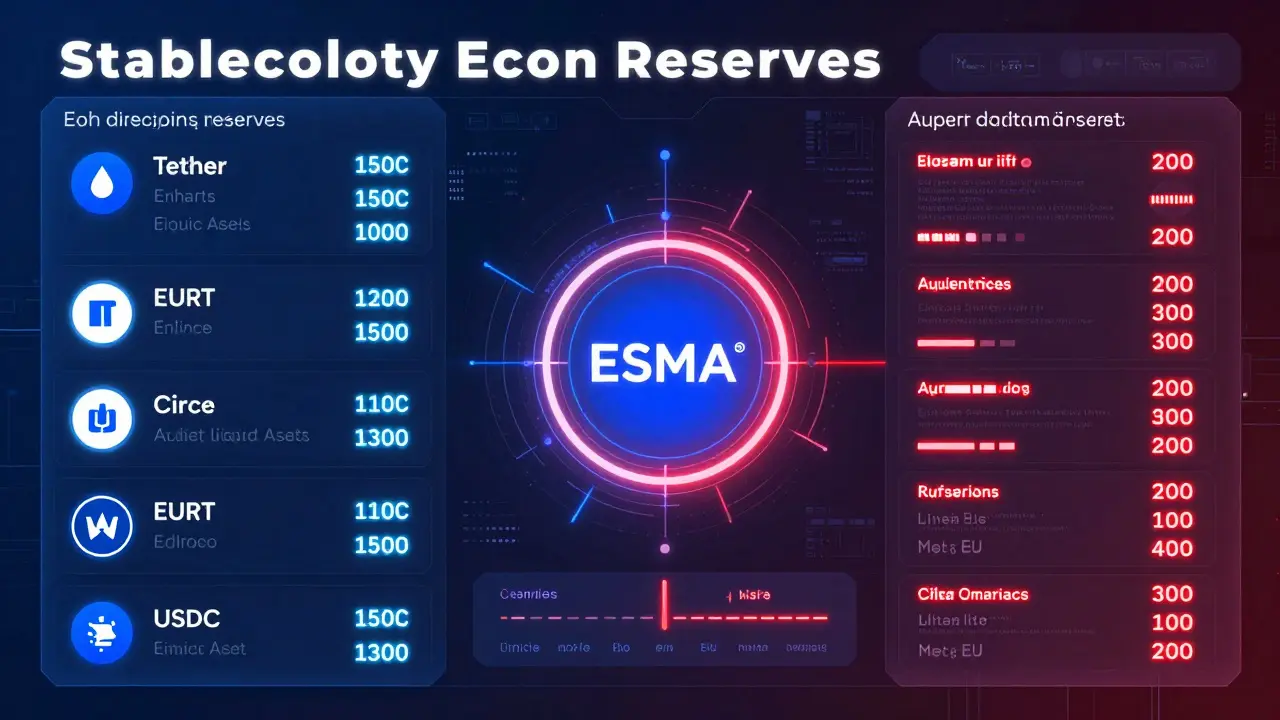
The Real Cost of Compliance
Getting licensed under MiCA isn’t cheap. For a small startup, expect to spend €50,000 to €200,000 on legal fees, audits, tech upgrades, and hiring compliance staff. Larger firms spend millions. Some analysts say this favors big players - the ones who can afford lawyers and regulators on retainer. But the flip side is stability. Companies that comply now won’t get shut down next year. They can scale across the EU without fear of sudden regulatory crackdowns. For investors, that’s a big plus. For users, it means more reliable services and better protection of their funds.What’s Next? The EU Is Just Getting Started
MiCA isn’t the end. It’s the beginning. ESMA is still working on detailed technical standards for things like crypto asset classification, stress testing, and reporting formats. National regulators are setting up cross-border coordination teams to monitor firms operating under passport rights. By 2026, we’ll likely see more enforcement actions - especially against non-EU firms trying to skirt the rules. We’ll also see more stablecoin issuers launch in the EU, because the rules are clear now. And we’ll see fewer crypto scams targeting EU users, because the legal infrastructure to stop them is finally in place. The EU isn’t trying to kill crypto. It’s trying to make it safe, transparent, and trustworthy. And for businesses willing to play by the rules, that’s a huge opportunity.Do I need a MiCA license if I’m a non-EU crypto company with EU customers?
Yes, if you’re actively promoting your services to EU residents - through ads, local websites, EUR deposits, or customer support in EU languages. MiCA requires non-EU firms to establish a legal entity within the EU and obtain full authorization. The only exception - reverse solicitation - is extremely narrow. If a user finds you on their own without any marketing from your side, it might qualify. But in practice, most international firms now operate through EU subsidiaries to avoid legal risk.
What happens if I ignore MiCA and keep serving EU users?
You risk being blocked. National regulators can order payment processors to cut off your EU transactions, demand app stores to remove your app, or fine you up to 5% of your global turnover. Some countries have already started blocking non-compliant crypto websites. Your users won’t be able to deposit or withdraw funds, and you could face criminal liability if you’re found to be operating illegally.
Can I still use non-MiCA crypto wallets in the EU?
Yes - if you’re a private user. MiCA only regulates service providers, not individual holders. You can still use non-compliant wallets like MetaMask or hardware wallets. But if you’re using a custodial wallet - one that holds your private keys for you - it must be MiCA-licensed. So if you’re storing crypto on an exchange or app that doesn’t have a MiCA license, you’re at risk. Your funds aren’t protected under EU law, and the service could be shut down at any time.
Are all stablecoins regulated the same under MiCA?
No. Only stablecoins with circulation above €200 million are subject to the strictest rules - reserve requirements, redemption guarantees, and liquidity buffers. Smaller stablecoins still need to follow basic transparency rules and can’t mislead users about backing assets. But they’re not required to hold the same level of reserves. This creates a two-tier system: big stablecoins face bank-like rules, while smaller ones have lighter obligations.
How do I know if a crypto service is MiCA-compliant?
Look for official authorization from an EU national regulator - like Germany’s BaFin, France’s AMF, or Spain’s CNMV. Most compliant providers display their license number on their website, usually in the footer or legal section. You can also check the public register of authorized CASPs on your country’s financial regulator website. If a service doesn’t show this, assume it’s not compliant - especially if it targets EU users.