There’s no official record of an airdrop called The Recharge Incentive Drop. No project website, no whitepaper, no verified social media accounts, no mention on CoinGecko, CoinMarketCap, or any major crypto news outlet. That’s not normal. Legitimate airdrops don’t vanish into thin air. If you’ve seen this name pop up in a Discord group, a Telegram channel, or a Reddit post promising free tokens, you’re being targeted - and you need to stop before you click anything.
Why You Haven’t Found Any Info About This Airdrop
If a crypto project is real, it leaves traces. Team members are named. GitHub repos exist. Twitter accounts have followers. Community members post screenshots of token claims. Even small, obscure airdrops like early zkSync or Sui testnet drops had documentation, timelines, and verified wallets. The Recharge Incentive Drop has none of that. That’s a red flag.Here’s what’s likely happening: someone created a fake name, threw it into a bot-driven DM campaign, and is now collecting wallet addresses. They don’t need your money - they need your private keys. Or worse, they want you to connect your wallet to a phishing site that drains your ETH, SOL, or whatever you’ve got stashed.
How Real Airdrops Work - And How Fakes Mimic Them
Legit airdrops follow a pattern. Take Uniswap’s 2020 drop: they announced it on their blog, listed exact eligibility criteria (users who traded on the protocol before September 1, 2020), and distributed tokens directly to verified wallets. No sign-up forms. No “verify your identity with a selfie.” No asking you to send crypto to a wallet to “unlock” your reward.Fake airdrops copy that structure but twist it. They’ll say:
- “Claim your Recharge Incentive Drop tokens by connecting your wallet.”
- “Send 0.01 ETH to this address to activate your bonus.”
- “Join our Telegram group and post your wallet address.”
That’s not how it works. Real airdrops don’t ask you to send funds. Real airdrops don’t require you to join private groups. Real airdrops don’t use vague names like “Recharge Incentive Drop.” That phrase sounds like it was generated by a bot trying to sound like a Web3 startup. It has no meaning. No project calls its token distribution that.
Red Flags You Can’t Ignore
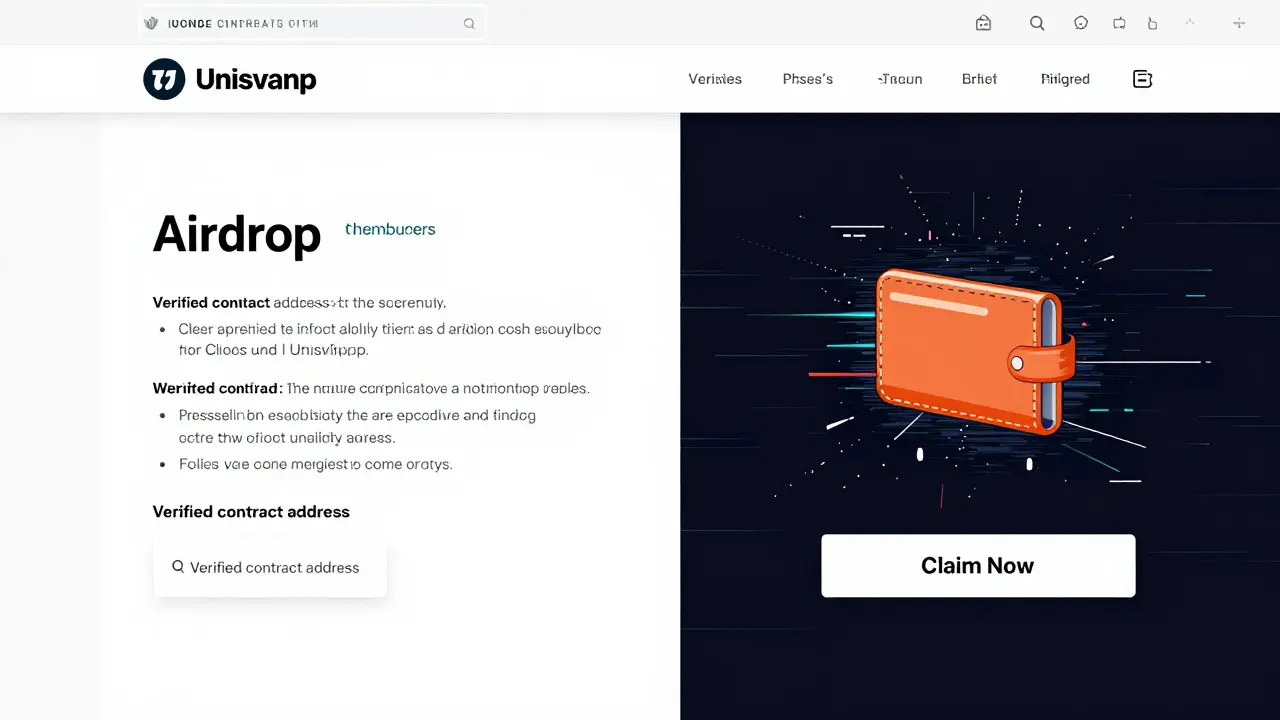
Here’s a quick checklist. If any of these show up, walk away:- No official website (just a landing page with a “Claim Now” button)
- No team members listed (just “a decentralized team”)
- Only social media accounts created in the last 7 days
- Asks you to connect your wallet to a site you’ve never heard of
- Uses urgency: “Only 24 hours left!” or “First 1,000 participants get double!”
- No audit reports, no GitHub, no token contract address you can verify
These aren’t just bad practices - they’re textbook signs of a scam. In 2024, over 80% of reported crypto losses from airdrops came from fake campaigns using names like this. No one’s auditing “Recharge Incentive Drop” because it doesn’t exist.
What to Do Instead
If you want real airdrops, go to the source. Here’s how to find legitimate ones:- Follow known projects: Arbitrum, Optimism, zkSync, EigenLayer, Sui, Aptos. Check their official blogs and Twitter.
- Use trusted airdrop trackers: AirdropAlert.com, CoinMarketCap Airdrops, or CoinGecko’s Airdrop section.
- Join official Discord servers - not random ones with 10,000 members and 500 bots.
- Look for airdrops tied to testnet activity. For example, Scroll’s 2025 testnet rewarded users who executed 10+ transactions. No wallet connection needed. No payments.
Real airdrops reward behavior - not blind trust. They don’t need you to give them anything. They give you something for free because they want you to use their protocol.
What Happens If You Fall for This?
Let’s say you connect your wallet to a fake site pretending to be “The Recharge Incentive Drop.” Here’s what happens next:- The site asks for “signature approval” to access your wallet.
- You click “Approve.”
- Within seconds, all your tokens - ETH, USDC, SOL, NFTs - are drained to a hacker’s wallet.
- You get a message: “Thank you for participating! Your tokens will arrive in 48 hours.”
- They vanish. Your wallet is empty. There’s no customer support. No refund. No recovery.
Once your wallet is compromised, it’s gone. No blockchain can undo that. No help desk can fix it. You lose everything.
How to Protect Yourself
You don’t need to avoid airdrops. You just need to avoid scams. Here’s how:- Never connect your main wallet to unknown sites. Use a burner wallet with only $50 in it for testing.
- Always check the contract address. Paste it into Etherscan or Solana Explorer. If it’s not verified or has no transactions, don’t trust it.
- Search the project name + “scam” on Google. If you see even one report, walk away.
- Use tools like DeFiLlama or TokenSniffer to check token legitimacy before interacting.
- If it sounds too good to be true - “Earn $5,000 in free tokens!” - it is.
Real Airdrops Are Quiet. Scams Are Loud.
The biggest airdrops in history - Uniswap, ENS, Arbitrum - didn’t blast ads on Twitter. They didn’t pay influencers. They didn’t need to. They rewarded users who already used their protocols. That’s the model. That’s the standard.If someone’s shouting about “The Recharge Incentive Drop” and you can’t find a single reliable source backing it up, it’s not an opportunity. It’s a trap.
Don’t chase ghosts. Wait for real projects. They’ll come. And when they do, you’ll be ready - and safe.
Is The Recharge Incentive Drop a real airdrop?
No, there is no verified or documented airdrop by that name. No official website, team, token contract, or community exists under that title. It is not listed on any major crypto platform like CoinGecko or CoinMarketCap. This is almost certainly a scam designed to steal wallet credentials or funds.
How do I know if an airdrop is real?
Real airdrops are announced on official project blogs or verified social media accounts. They list clear eligibility rules, token contract addresses, and distribution timelines. They never ask you to send crypto to claim tokens, connect your main wallet, or join private Discord groups. Always check the contract on Etherscan or Solana Explorer before interacting.
Can I get scammed by just connecting my wallet?
Yes. Many scams trick users into approving malicious smart contracts. Once you sign a transaction, the scammer can drain your entire wallet - even if you don’t send any funds. Always use a burner wallet with minimal assets for airdrop testing, and never approve unknown contracts from unverified sites.
What should I do if I already connected my wallet to this airdrop?
Immediately disconnect your wallet from all unknown sites using a tool like Etherscan’s “Revoke” feature or Solana’s wallet permissions panel. Move all assets to a new wallet. Do not interact with any further links from the same source. Monitor your wallet for unauthorized transactions. If tokens were stolen, recovery is unlikely - prevention is the only real protection.
Are there any upcoming airdrops I can trust in 2026?
Yes. Projects like zkSync, Sui, and Aptos regularly reward early testnet users. Layer 2 networks such as Arbitrum and Base also distribute tokens to active participants. Follow their official blogs and Twitter accounts. Avoid any airdrop that isn’t announced by the project itself - not through influencers, bots, or Telegram groups.