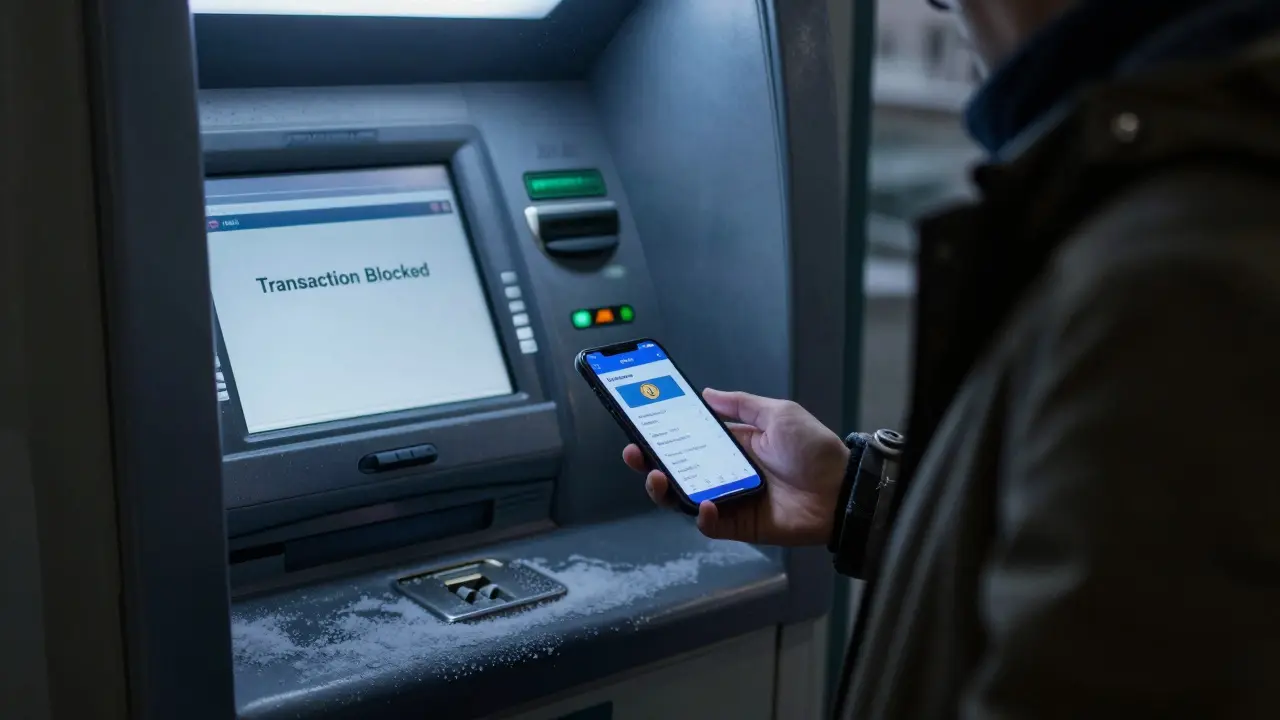
Finance Crypto Insights: Real-World Rules for Crypto to Fiat in Restricted Markets
When you think of Finance, the system that manages money, banking, and value exchange across governments and institutions. Also known as financial systems, it’s not just about stocks and savings—it’s about who controls access to your money when the rules change overnight. In 2025, Finance isn’t just about growth anymore. For millions, it’s about survival. In countries like Russia and Iran, traditional banks have become gatekeepers, not helpers, when it comes to turning crypto into cash. This isn’t theoretical. It’s happening right now, with real limits, frozen accounts, and daily withdrawal caps that can break a household budget.
These changes aren’t random. They’re tied to crypto to fiat withdrawal, the process of converting digital assets like Bitcoin or Tether into local currency through banks or payment services. In Russia, if your transaction matches 12 suspicious patterns—like sending crypto to a known exchange or withdrawing cash multiple times in a week—your daily limit drops to $600. No warning. No appeal. Just blocked. Meanwhile, in Iran, crypto restrictions, government-imposed limits on buying, selling, or moving digital assets to bypass sanctions and inflation have turned trading into a timed operation. Trading hours are cut, payment gateways are shut down, and even Tether has frozen millions in user funds. Yet people still use crypto. Why? Because inflation is at 40%, salaries are frozen, and banks won’t let them move money out. Crypto isn’t a luxury here—it’s a lifeline.
These aren’t isolated cases. They’re part of a global shift where Russian banks crypto, financial institutions in Russia that now monitor, restrict, or block crypto-related transactions under state pressure and Iranian crypto trading, the practice of buying, selling, or holding digital assets by citizens under strict legal and technical barriers are becoming the new normal. The tools haven’t changed. The rules have. And if you’re trying to move money out of crypto in these places, you need to know the exact triggers, the hidden limits, and what’s coming next. This collection doesn’t guess. It shows you what’s real: the exact withdrawal caps, the bank policies that kick in, the exchanges that froze accounts, and how people are still getting cash out—legally or otherwise. What you’ll find here isn’t theory. It’s the playbook for surviving finance in the new digital age.
Explore the high stakes of margin trading. Learn how leverage amplifies both gains and losses, understand margin calls, interest costs, and expert strategies to manage risk effectively.
0 Comments
by Tamara Nijburg
Discover how margin trading interest rates work in 2026. Learn to calculate daily costs, compare broker tiers like Fidelity and IBKR, and avoid hidden leverage fees.
0 Comments
by Tamara Nijburg
In Russia, withdrawing crypto to fiat triggers automatic bank restrictions. Since September 2025, daily cash limits drop to $600 if your transaction matches 12 suspicious patterns. Here's how it works, who it hurts, and what's coming next.
0 Comments
by Tamara Nijburg
In 2025, Iranian citizens face severe crypto restrictions: payment gateways are shut, trading hours are limited, Tether froze millions, and taxes now apply. Yet crypto remains vital for survival amid inflation and sanctions.
0 Comments
by Tamara Nijburg