You’ve probably heard of Bitcoin or Ethereum. Maybe you’ve even dabbled in altcoins that promise the moon. But what happens when a token exists on the fringes of the market, with a price measured in fractions of a cent and trading volume so low it barely registers? Enter Wrapped Shido (WSHIDO). It’s a digital asset that sounds technical, looks tiny, and behaves like a ghost in the machine of the global crypto economy.
If you’re asking "what is Wrapped Shido," you’re likely trying to figure out if this obscure coin is a hidden gem or just noise. The short answer? It’s complicated. WSHIDO is a wrapped token, meaning it represents an underlying asset from another blockchain, allowing it to be traded on different networks. But unlike major wrapped tokens like Wrapped Bitcoin (WBTC), which serve a clear utility purpose, WSHIDO operates in a high-risk, low-liquidity environment. As of late 2025 and early 2026 data, its market cap hovers around $180,000 to $300,000, placing it deep in the bottom tier of tracked cryptocurrencies. This article breaks down exactly what WSHIDO is, how it trades, why its supply is unlimited, and whether it deserves your attention-or your caution.
The Core Concept: What Makes a Token "Wrapped"?
To understand WSHIDO, you first need to grasp the concept of wrapping. In simple terms, a wrapped token is a version of one cryptocurrency that has been converted to work on a different blockchain. Think of it like exchanging US dollars for casino chips. You can’t use dollars directly at the roulette table; you need chips that represent the same value but fit the specific system. Similarly, Shido might be native to its own chain, but WSHIDO allows users to trade it on other platforms, like Shido Dex, Bybit, or Binance.
This process involves locking the original asset in a smart contract and minting an equivalent amount of the wrapped token. For WSHIDO, this mechanism aims to increase accessibility. However, because WSHIDO is a micro-cap asset, the "wrapping" doesn’t necessarily bring massive liquidity or adoption. Instead, it creates a complex layer of abstraction. Users buying WSHIDO aren’t always buying direct exposure to the Shido network’s core technology; they are buying a derivative representation that carries additional risks related to the bridge or protocol used to wrap it.
Market Reality: Price, Volume, and Liquidity
Let’s look at the hard numbers, because in crypto, sentiment often clashes with reality. As of February 2026, WSHIDO trades between $0.000257 and $0.000275. That’s less than three-tenths of a penny per coin. While the price seems cheap, don’t let that fool you into thinking it’s undervalued. Cheap prices often signal low demand or excessive supply.
The real story lies in the trading volume. Depending on where you look, daily volume ranges wildly-from as low as $3.18 on CoinGecko to roughly $31,000 on Binance. This discrepancy is a red flag. It suggests that the order books are thin. If you try to sell a large amount of WSHIDO, you might crash the price yourself because there aren’t enough buyers on the other side. This is known as illiquidity, and it’s the primary risk factor for any micro-cap token.
| Metric | Value / Range | Implication |
|---|---|---|
| Price | $0.000257 - $0.000275 | Extremely low unit cost; high volatility potential. |
| Market Cap | $182K - $301K | Micro-cap classification; highly speculative. |
| Circulating Supply | ~1.14 Billion Tokens | Large supply dilutes individual token value. |
| Max Supply | Unlimited (∞) | Risk of inflationary pressure over time. |
| All-Time High | $0.002307 (Sept 2025) | Current price is ~90% below peak; significant drawdown. |
The data shows a dramatic history. WSHIDO hit an all-time high of $0.0023 in September 2025. Today, it’s trading near $0.00026. That’s a decline of over 88%. Such volatility is typical for small projects that experience hype cycles followed by quiet consolidation. If you’re looking for stability, WSHIDO isn’t it. It’s a rollercoaster with no safety harness.
The Supply Puzzle: Why Is It Unlimited?
Most well-known cryptocurrencies, like Bitcoin, have a fixed maximum supply. This scarcity drives value. WSHIDO does the opposite. Its maximum supply is coded as unlimited. This is a critical detail for investors. An unlimited supply means new tokens can theoretically be created indefinitely, depending on the emission schedule of the underlying protocol.
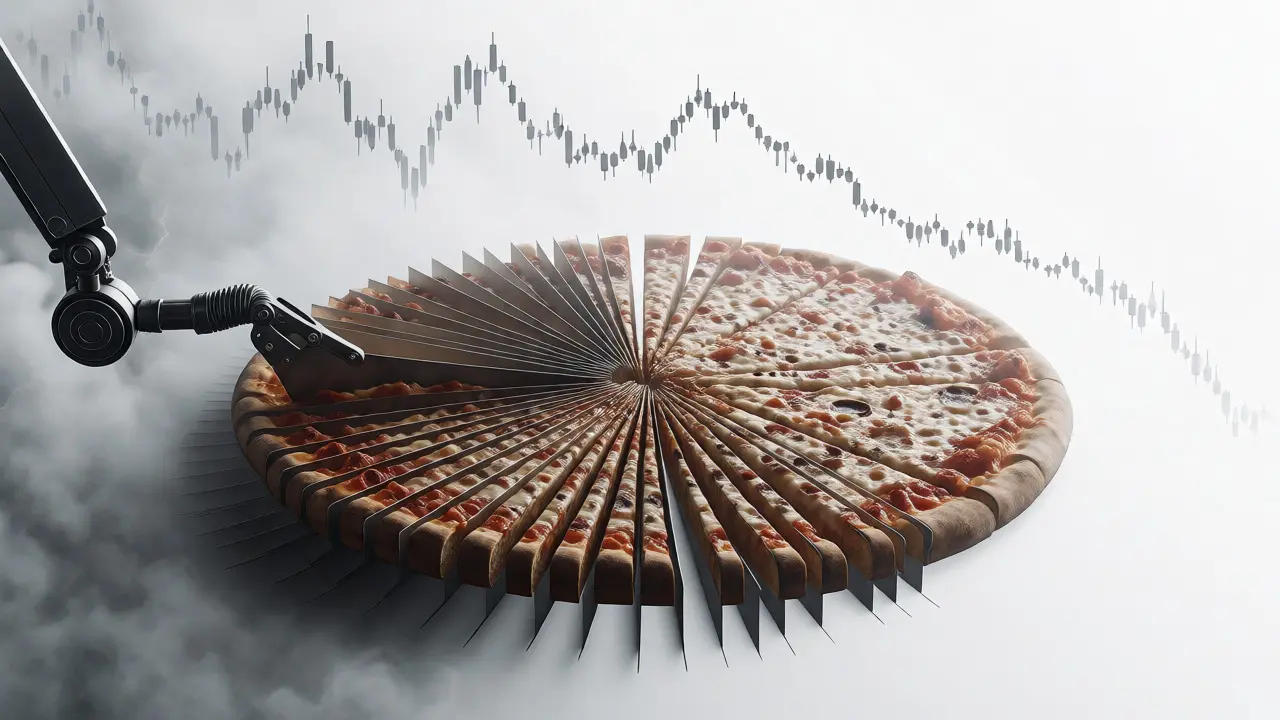
Why would a project choose this model? Often, it’s to incentivize long-term participation through staking rewards or mining emissions. However, without a corresponding increase in demand, an increasing supply leads to price dilution. Imagine slicing a pizza into more and more pieces while keeping the size of the pizza the same. Each slice gets smaller. With WSHIDO, if the circulating supply grows faster than user adoption, the price will naturally trend downward, regardless of how good the technology is.
Currently, there are approximately 1.14 billion WSHIDO tokens in circulation. Given the unlimited cap, future emissions could push this number higher. Investors must monitor the tokenomics closely. If the team behind Shido continues to release new tokens without burning them or locking them up, the current price floor may not hold.
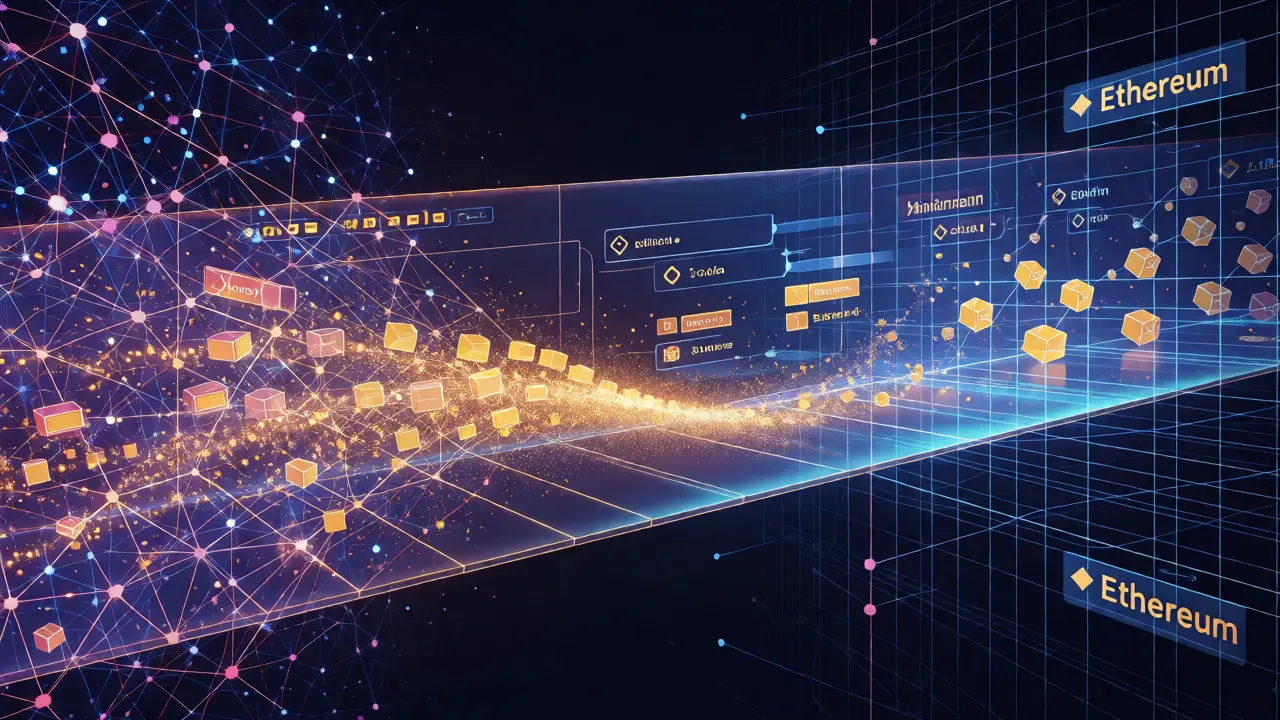
Where Can You Trade WSHIDO?
Accessibility is key for any crypto asset. WSHIDO isn’t listed on every major exchange, which limits its reach. The primary hub for trading this token is Shido Dex, a decentralized exchange associated with the Shido ecosystem. This makes sense: the home turf usually offers the deepest liquidity for native assets.
Beyond Shido Dex, WSHIDO appears on centralized exchanges like Bybit and Binance. Having a listing on Binance is a significant credibility marker for small projects, as it exposes the token to millions of retail traders. However, remember the volume disparity mentioned earlier. Just because it’s on Binance doesn’t mean there’s always a buyer waiting. Always check the order book depth before executing a trade.
- Shido Dex: Best for interacting directly with the ecosystem, potentially offering lower fees or unique yield opportunities.
- Bybit: Offers futures and spot trading, useful for those who want leverage or standard CEX interfaces.
- Binance: Provides high visibility and ease of purchase for general users, though volume can be sporadic.
Risk Assessment: Is WSHIDO a Good Investment?
Investing in WSHIDO is akin to buying a lottery ticket with extra steps. The potential upside is massive percentage-wise because the base price is so low. A 10x return on a $0.0002 asset requires only a move to $0.002, which it has done before. But the downside risks are equally stark.
First, consider the lack of transparency. Detailed information about the development team, roadmap, and specific use cases for WSHIDO beyond trading is sparse in public aggregators. Without a strong narrative or utility driving demand, price action relies heavily on speculation.
Second, the correlation with broader markets is weak. While the global crypto market might rise 1.7%, WSHIDO might lag or drop independently. It doesn’t follow the safe-haven status of Bitcoin or the tech-driven momentum of Ethereum. It moves based on its own internal dynamics, which are currently driven by minimal activity.
Third, the "wrapped" nature adds technical risk. If the bridge connecting Shido to other chains fails, or if the smart contracts governing the wrapping process have vulnerabilities, holders could face losses unrelated to market price.
How to Buy and Store WSHIDO Safely
If you decide to take the plunge, here’s a practical checklist to minimize friction and risk:
- Choose Your Exchange: Start with Binance or Bybit for ease of use. If you prefer decentralization, connect a wallet compatible with Shido Dex.
- Fund Your Account: Use stablecoins like USDT or USDC to buy WSHIDO. Avoid using volatile assets like ETH to buy it, as double volatility can hurt your entry price.
- Execute Small Orders: Due to low liquidity, avoid market orders for large amounts. Use limit orders to control your entry price.
- Withdraw to Self-Custody: Don’t leave significant funds on an exchange. Move your WSHIDO to a hardware wallet or a software wallet that supports the specific network WSHIDO resides on (likely EVM-compatible or Shido-specific).
- Monitor News: Since this is a micro-cap, social media announcements or partnership news can cause sudden spikes. Set alerts for keywords like "Shido," "WSHIDO," and "Shido Dex."
Remember, never invest money you can’t afford to lose. In the world of micro-caps, total loss is a realistic scenario, not just a theoretical one.
Final Thoughts: Who Should Watch WSHIDO?
WSHIDO is not for everyone. It’s too risky for conservative investors seeking steady growth. It’s also too obscure for casual traders who prefer high-volume assets. However, for the adventurous speculator who understands tokenomics and enjoys hunting for asymmetric bets, WSHIDO offers a unique playground.
The key takeaway? Do your own research. The data shows a token that has already seen its peak and is now consolidating. Whether it rebounds depends entirely on renewed interest in the Shido ecosystem. Until then, treat WSHIDO as a high-beta experiment rather than a core portfolio holding.
Is Wrapped Shido (WSHIDO) the same as Shido (SHIDO)?
No, they are distinct entities. SHIDO is typically the native token of the Shido blockchain. WSHIDO is a wrapped version of that asset, designed to be compatible with other blockchains or exchanges that do not natively support the Shido network. They may have different supply mechanics and trading venues.
Why is the maximum supply of WSHIDO unlimited?
An unlimited supply suggests that the token emission is not capped. New tokens can be minted over time, often to reward validators, stakers, or miners. This contrasts with deflationary models like Bitcoin, where scarcity is built-in. For WSHIDO, this means potential inflationary pressure on the price if demand does not keep pace with new supply.
Where is the best place to buy WSHIDO?
Shido Dex is the primary decentralized venue for WSHIDO. For centralized options, Binance and Bybit offer listings. However, due to low liquidity, always compare spreads and volume across these platforms before executing a trade to ensure you get a fair price.
What are the main risks of investing in WSHIDO?
The primary risks include extreme illiquidity (difficulty selling large amounts), high volatility (price swings of 50%+ are common), limited project transparency, and the potential for price dilution due to unlimited supply. It is considered a high-risk, speculative asset.
Has WSHIDO ever reached a higher price?
Yes. According to historical data, WSHIDO reached an all-time high of approximately $0.0023 in September 2025. Current prices are significantly lower, representing a substantial drawdown from that peak.