
Most people think buying bitcoin requires handing over their ID to a giant corporation and hoping the exchange doesn't get hacked overnight. But there's a different way: peer-to-peer (P2P) trading. BiHODL (often referred to as Hodl Hodl) is a decentralized bitcoin exchange that lets users trade directly with each other without the platform ever touching their funds. If you're tired of the invasive KYC (Know Your Customer) process or the risk of centralized custodians, this platform offers a bit of breathing room. But is it actually safe for a beginner, or is it a playground for scammers?
The Core Concept: Non-Custodial Trading
The biggest red flag with centralized exchanges is the phrase "not your keys, not your coins." When you deposit money there, they control the wallet. BiHODL flips this script. It's a non-custodial platform, meaning the exchange doesn't hold your bitcoin. Instead, it facilitates a contract between two people. The platform acts as a matchmaker and a referee, but not a bank.
One of the biggest hurdles for new crypto users is the "security deposit." Some P2P sites force you to already own bitcoin to prove you're legit before you can buy more. That's a paradox-how do you get your first bitcoin if you need one to start? BiHODL solves this by requiring no security deposits for buyers, making it one of the easiest entry points for people who have zero crypto holdings.
How the Escrow System Keeps You Safe
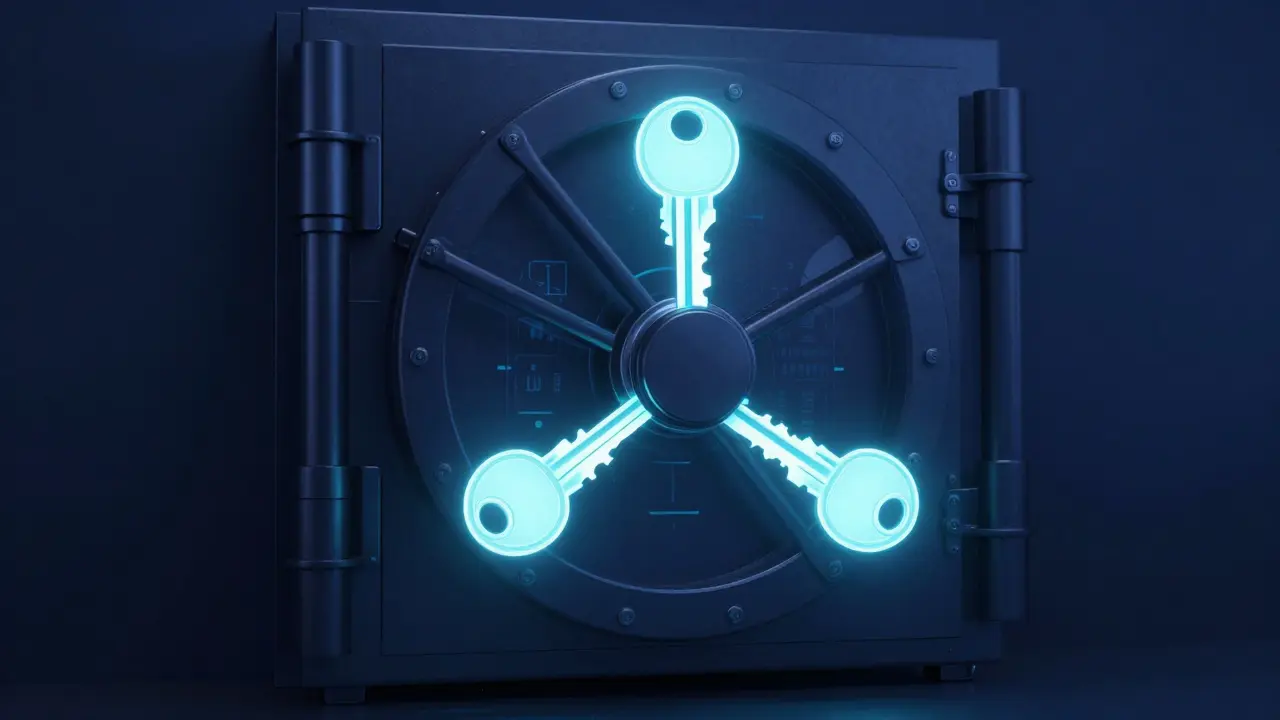
You might be wondering, "If the exchange doesn't hold the money, what stops the seller from disappearing after I pay them?" That's where the Multisignature Escrow is a security mechanism where multiple private keys are required to authorize a transaction comes in. Specifically, they use a 2-of-3 system.
Here is how that works in plain English: Three keys are created for every trade. One is held by the buyer, one by the seller, and one by the platform. To move the bitcoin out of the escrow wallet, any two of these three keys must sign off. If everything goes smoothly, the buyer and seller agree, and the bitcoin is released. If the seller tries to scam the buyer, the buyer can call for a dispute, and the platform uses its key to help resolve the issue and return the funds.
| Feature | BiHODL (Hodl Hodl) | Bisq |
|---|---|---|
| Accessibility | Web Browser (Easy) | Desktop Software (Complex) |
| KYC Requirements | None at app level | None |
| Payment Methods | 370+ Options | Limited |
| Trading Fees | 0.3% (or min $0.60) | 0.3% |
| Buyer Deposit | Not required | Required |
Getting Your First Bitcoin: Step-by-Step
Trading on a P2P platform is more like buying something on Craigslist than using a stock app. You have to interact with a real person. If you're ready to try it, here is the exact workflow:
- Account Setup: Head to the site and create an account. All you need is a username and email. No passport scans required.
- Find an Offer: Click "Buy BTC" and filter by your currency and preferred payment method (e.g., bank transfer, PayPal, or gift cards).
- Vet the Seller: Look at the peer activity reports. Are they highly rated? Have they completed many trades?
- Open the Trade: Specify your bitcoin address and the amount you want.
- The Escrow Phase: The seller deposits the bitcoin into the 2-of-3 multisig wallet. Wait for the blockchain to confirm this happened.
- Send Payment: Once you see the bitcoin is locked in escrow, send the fiat money to the seller's provided details.
- Confirm and Release: Click "I've Sent The Payment." The seller verifies the cash in their bank account and releases the bitcoin to your wallet.
Privacy, Risks, and the "Human Element"
Privacy is the main selling point here. Since the platform doesn't require KYC, you aren't handing your identity to a database that could be leaked. You can even access the site via Tor is a free, open-source software for enabling anonymous communication by directing internet traffic through a volunteer overlay network for extra stealth.
However, this freedom comes with a trade-off. Because the platform doesn't vet users, you are essentially trusting the person on the other side of the screen. While the escrow protects the bitcoin, it cannot protect your fiat payment method. For example, if you use a service like PayPal, a scammer could potentially file a chargeback after receiving your money, even though the bitcoin was already released.
Professional assessments, such as those from Traders Union in 2026, have labeled the platform as "higher-than-average risk." This isn't necessarily because the software is broken, but because P2P trading is inherently riskier than using a regulated exchange. Your safety depends almost entirely on how well you vet your trading partner.
Beyond Trading: P2P Lending
One interesting feature that sets BiHODL apart is its lending service. Instead of taking out a loan from a centralized company with strict credit checks, you can borrow crypto from another user. You provide bitcoin as collateral, which is held in the same 2-of-3 multisig escrow system used for trading. The interest rates and loan-to-value ratios aren't set by a corporate board; they are negotiated directly between the lender and the borrower.
The Bottom Line on Fees and Value
The cost of using the platform is straightforward. They charge a flat fee of 0.3% per trade, with a minimum of $0.60. If you're buying $200 worth of bitcoin, you're looking at a very small fee compared to the massive spreads often found on centralized platforms. When you combine this with the fact that they support over 370 payment methods, it's arguably the most flexible P2P tool available today.
Does BiHODL require KYC?
The platform itself does not require KYC (Know Your Customer) verification to create an account or use the service. However, keep in mind that individual sellers may ask you for your ID or verification before they agree to trade with you to protect themselves from fraud.
Is my money safe in the escrow?
Yes, as long as you follow the rules. The 2-of-3 multisig escrow ensures that the seller cannot simply run away with the bitcoin once the trade starts. If a dispute arises, the platform acts as the third key holder to help resolve the issue based on proof of payment.
What happens if the seller doesn't release my bitcoin?
If you've sent the payment and the seller is unresponsive, you can initiate a dispute. You will need to provide proof of payment (like a bank screenshot). The platform will then review the evidence and can use its escrow key to release the funds to you.
How does BiHODL compare to Bisq?
The main difference is accessibility. Bisq requires you to download software and run a node, which is great for privacy purists but hard for beginners. BiHODL works directly in your browser and has significantly more payment options (over 370), making it much more user-friendly.
Can I use Tor with this exchange?
Yes, the platform is accessible via the Tor browser, which allows users to hide their IP addresses and increase their anonymity while trading.