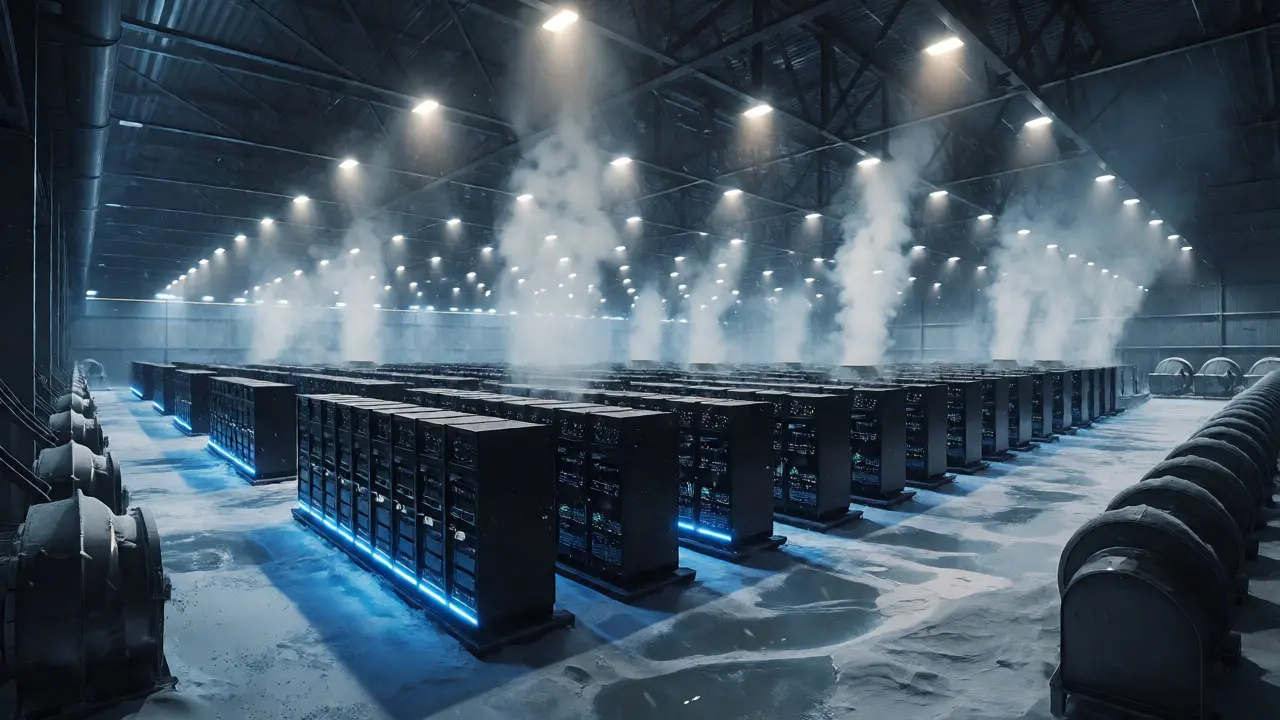
Imagine trying to pay for oil with a currency that doesn't exist in your bank account, using a network your enemies can see but not easily block. That is exactly what Russia has been doing since it legalized cryptocurrency mining and cross-border crypto payments. For years, Western analysts dismissed digital assets as too volatile or too small to matter in global trade. They were wrong. By turning its vast energy resources into a mining powerhouse and creating ruble-backed stablecoins like A7A5, Russia built a shadow financial rail system designed specifically to bypass SWIFT and dodge US sanctions.
This isn't just about tech enthusiasts chasing profits anymore. It is state-level economic warfare. When the West cut off traditional banking channels after 2022, Moscow didn't retreat; it adapted. The legalization of mining wasn't an accident-it was a strategic move to turn electricity into liquid capital that flows outside the dollar-dominated system. But does it actually work? And more importantly, are regulators finally catching up? Let's break down how this works, why it matters, and where the cracks are starting to show.
The Shift from Ban to Embrace
Russia’s relationship with crypto has always been complicated. Early on, officials viewed Bitcoin with suspicion, fearing it would undermine the ruble. But by 2024 and 2025, the narrative flipped. The government realized that if they couldn't beat the sanctions, they could route around them. Legalizing mining operations allowed Russia to leverage its cheap electricity and cold climate-ideal conditions for powering massive server farms-to generate cryptocurrency at scale. This created a domestic supply of digital assets that could be used for international settlements without touching the US dollar.
The key change here is regulatory clarity. Before, miners operated in a gray zone, vulnerable to sudden crackdowns. Now, they are part of the official economy. This stability attracted investment and scaled up production, making Russia one of the top three countries globally for virtual currency mining. But the real game-changer wasn't just mining Bitcoin; it was the creation of tools tailored for trade. Enter the stablecoin.
The Rise of the A7A5 Stablecoin
If you want to understand Russia's sanctions evasion strategy, look no further than A7A5. This isn't a generic USDT or USDC token. It is a ruble-backed stablecoin issued by Old Vector, a company based in Kyrgyzstan but heavily backed by Promsvyazbank, a major Russian state-owned lender. Launched in February 2025, A7A5 moved over $51 billion in transactions within just six months.
Why does this matter? Because it operates on patterns that scream "institutional use." Unlike retail investors who buy crypto sporadically, A7A5 sees heavy activity during business days. This suggests companies are using it to settle invoices for imports and exports. Since it's pegged to the ruble, it avoids the volatility of Bitcoin while still offering the borderless nature of blockchain technology. It allows a Russian steel manufacturer to pay a Chinese supplier without converting to dollars, effectively sidestepping the need for a correspondent bank in New York or London.
| Entity | Role | Status | Key Detail |
|---|---|---|---|
| Old Vector | Issuer of A7A5 | Sanctioned (US/UK) | Kyrgyz-based, linked to Promsvyazbank |
| Garantex | Crypto Exchange | Sanctioned (US) | Primary trading hub for A7A5 early on |
| Grinex | Crypto Exchange | Sanctioned (Aug 2025) | Created by ex-Garantex staff to evade sanctions |
| Promsvyazbank | State Bank | Sanctioned | Backer of Old Vector and A7A5 liquidity |

The Shadow Economy: How the Flow Works
The mechanics of this evasion are surprisingly simple once you strip away the jargon. A Russian exporter sells commodities to a buyer in Asia. Instead of receiving dollars into a blocked account, the buyer sends stablecoins (like A7A5) to a wallet controlled by a intermediary. These intermediaries often operate through exchanges like Garantex or its successor, Grinex. Both have faced heavy scrutiny and sanctions because they serve as the bridge between the sanctioned Russian economy and the open crypto market.
Blockchain analytics firm Chainalysis calls this a "shadow crypto economy." It’s not just one pipe; it’s a complex web of money launderers, military procurement networks, and commodity traders all moving value digitally. The transparency of the blockchain is a double-edged sword. On one hand, authorities can trace every transaction. On the other, the sheer volume and speed make it hard to freeze funds in real-time. By the time a sanction notice hits, the assets might have already moved through five different wallets across three jurisdictions.
Consider the case of Konstantin Malofeyev, a Russian oligarch whose network includes over 40 entities designated by the US Treasury. His organization, Transkapitalbank, facilitates these crypto transfers, acting as a dedicated service provider for sanctions evasion. This shows that evasion isn't just opportunistic; it's institutionalized. There are firms whose sole job is to keep Russian money flowing despite the blockade.
Western Countermeasures: Closing the Net
Washington and London haven't been idle. In August 2025, the US Treasury’s Office of Foreign Assets Control (OFAC) took a historic step: they designated a virtual currency mining company for the first time. This signaled a shift in strategy. Previously, sanctions targeted banks and individuals. Now, they target the infrastructure itself. If you mine crypto in Russia and sell it to fund the war effort, you’re now a target.
The UK followed suit, sanctioning Grinex, Old Vector, and several Kyrgyz entities. The goal is to choke off the liquidity providers. Without exchanges willing to take the risk, the stablecoins lose their utility. However, enforcement is tricky. Many of these exchanges operate in jurisdictions with weak regulatory frameworks, like Kyrgyzstan or parts of Central Asia. They form an insular ecosystem, trading among themselves and with trusted partners, minimizing exposure to Western oversight.
Brian E. Nelson, Under Secretary for Terrorism and Financial Intelligence, stated clearly that the Treasury will target anyone aiding evasion. This puts pressure on even minor participants. If you're a mid-tier exchange processing A7A5 trades, you risk being blacklisted next. This creates a chilling effect, forcing some platforms to delist Russian-linked tokens to preserve access to the broader global market.

Limitations and Realities
Despite the billions in transaction volume, crypto hasn't solved Russia's economic isolation. Experts from the Bitcoin Policy Institute argue that Bitcoin is simply too small to replace the dollar. Pre-war Russian exports were worth around $400 billion annually. Bitcoin's entire market cap is roughly double that. You can't run a national trade balance on an asset class that fluctuates wildly in price. Commodity contracts require stability, which is why stablecoins like A7A5 became more important than pure Bitcoin mining.
Moreover, the legal risks are mounting. As more exchanges get sanctioned, the pool of available venues shrinks. This drives up costs and reduces efficiency. While crypto provides a workaround, it’s not a seamless replacement for the global banking system. It adds friction, compliance headaches, and counterparty risk. For many businesses, it’s a last resort rather than a preferred method.
There’s also the issue of adoption. While state-backed initiatives push A7A5, retail uptake remains limited. Most Russians still prefer cash or traditional rubles for daily transactions. The crypto layer is primarily for large-scale B2B settlements and elite wealth preservation, not everyday commerce. This limits its impact on the broader economy but keeps it vital for specific sectors like defense and energy.
What This Means for Global Markets
Russia’s experiment offers a blueprint for other sanctioned nations. North Korea and Venezuela have tried similar tactics, but Russia’s scale makes it the most significant test case. If successful, we might see a fragmented global financial system where parallel payment rails coexist with the dollar system. Countries under pressure may increasingly adopt local stablecoins backed by commodities or state reserves to maintain trade flows.
For investors and policymakers, the takeaway is clear: sanctions are no longer binary. Money finds a way, often through digital corridors that are harder to police than physical borders. The cat-and-mouse game between innovators and regulators will continue. Each new sanction spurs a new workaround, and each workaround invites tighter controls. We are watching the birth of a new financial order in real-time, one block at a time.
Why did Russia legalize crypto mining?
Russia legalized crypto mining to utilize its excess energy capacity and create alternative financial channels. By generating cryptocurrency domestically, Russia can settle international trade debts without relying on the US dollar or SWIFT system, helping it evade Western financial sanctions imposed after 2022.
What is the A7A5 stablecoin?
A7A5 is a ruble-backed stablecoin issued by Old Vector, a Kyrgyzstan-based company linked to Russia's Promsvyazbank. Launched in 2025, it is designed to facilitate cross-border payments for Russian entities, allowing them to conduct trade without converting currencies through Western-controlled banks.
How effective is crypto for evading sanctions?
It is partially effective but has limitations. While it helps bypass immediate banking blocks, the market size of cryptocurrencies is still too small to fully replace traditional fiat currencies for large-scale national trade. Additionally, increased surveillance by agencies like OFAC and the traceability of blockchain data make long-term evasion difficult.
Which exchanges are involved in Russia's crypto evasion?
Key exchanges include Garantex, which was sanctioned in 2022, and Grinex, created by former Garantex employees to bypass restrictions. Both platforms have been central to trading ruble-backed stablecoins like A7A5 and facilitating transactions for Russian users seeking to move value internationally.
Did the US sanction crypto mining companies?
Yes. In August 2025, the US Treasury's OFAC designated a virtual currency mining company for the first time. This marked a significant escalation in efforts to curb Russia's ability to convert mined crypto into usable funds for state purposes, signaling that the infrastructure itself is now a target.