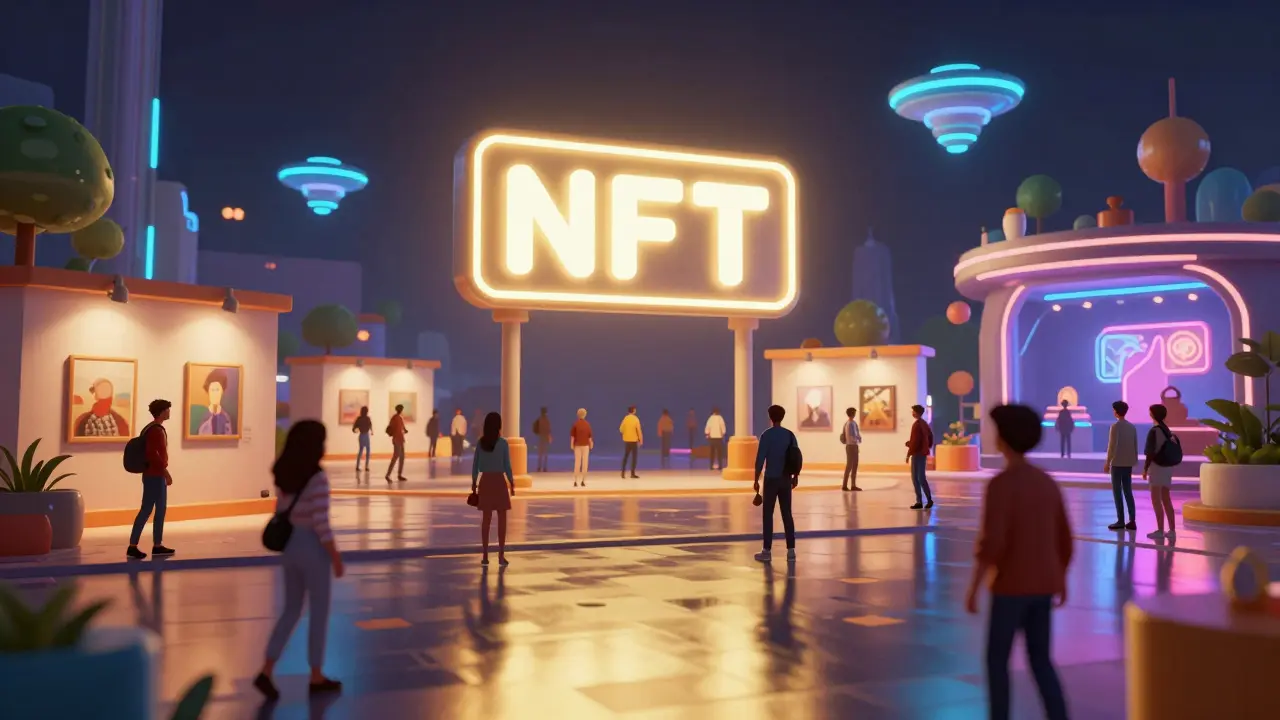
Buying land in the metaverse isn’t science fiction anymore-it’s a real investment strategy. In 2026, people are trading digital plots like they’re physical homes, building virtual malls, hosting concerts, and renting out spaces to brands. But here’s the catch: not all virtual land is created equal. Some parcels are worth nothing. Others are selling for tens of thousands of dollars. If you’re wondering how to get started, what actually gives virtual land value, or whether this is just another crypto bubble, you’re not alone.
What Exactly Is Metaverse Real Estate?
Metaverse real estate refers to digital plots of land owned through blockchain technology. These aren’t just images or 3D models you can view-you actually own them. Each parcel is an NFT, meaning it’s a unique, verifiable asset recorded on a blockchain like Ethereum. Unlike video game skins or items you "own" in a game, metaverse land can be sold, rented, or developed, and only one person can own it at a time.
Think of it like a piece of land in a video game world-but with real economic rules. You can build anything on it: a nightclub, a museum, a billboard, or even a virtual office. The value comes from location, utility, and who’s using the platform. A plot next to a popular event hub in Decentraland might sell for 10 times more than one in an empty desert.
The Big Four Platforms (And Why They Matter)
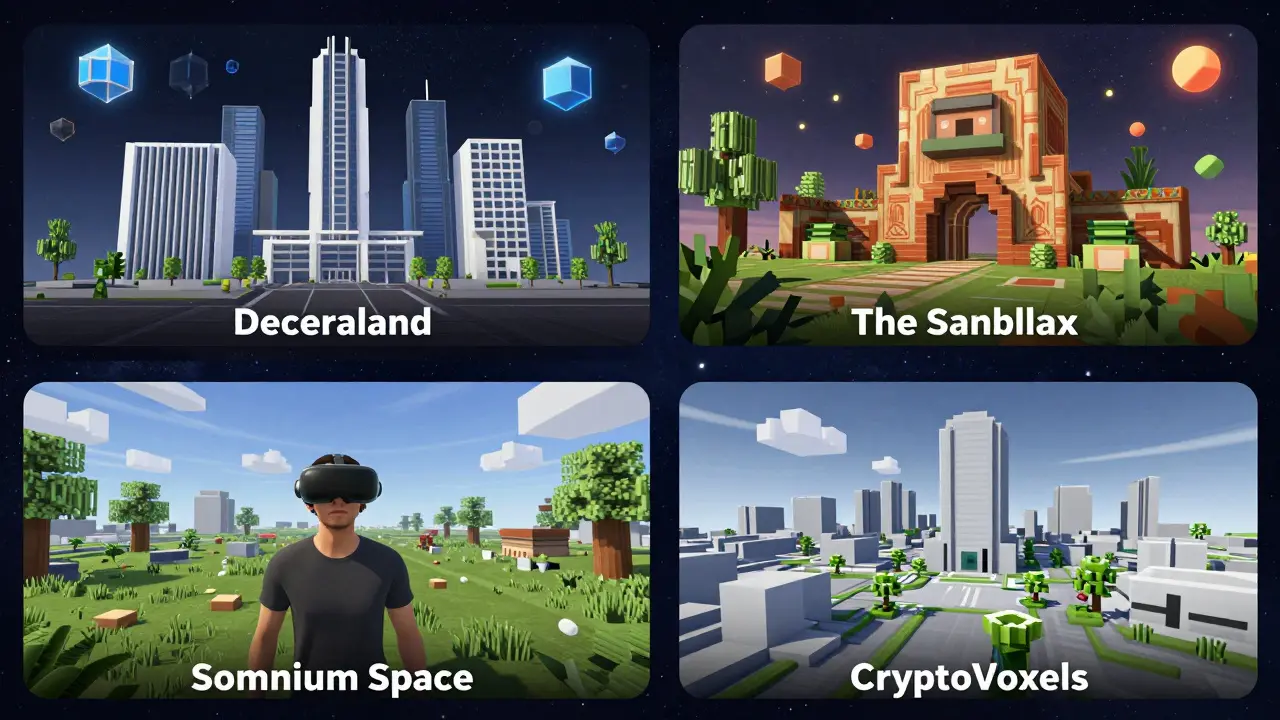
You can’t just buy land anywhere. There are specific platforms, and each one is its own world with its own rules, currency, and community. The top four as of 2026 are:
- Decentraland (MANA token): The oldest and most established. Land is permanently owned with no recurring fees. Popular for events, art galleries, and brand activations.
- The Sandbox (SAND token): Focused on user-created games and experiences. Strong developer tools and partnerships with major brands like Atari and Ubisoft.
- Somnium Space (CUBE token): Built for VR immersion. If you have a VR headset, this is where you’ll feel like you’re really walking around your property.
- CryptoVoxels (ETH): A minimalist, pixel-art world with a tight-knit community. Great for artists and creators who want low competition.
Each platform has its own marketplace where land is listed. Prices are usually in the platform’s native token, which you’ll need to buy first using ETH or fiat currency on exchanges like Coinbase or Kraken.
How to Buy Your First Plot
Buying virtual land isn’t like clicking "Buy Now" on Amazon. Here’s how it actually works:
- Set up a crypto wallet-MetaMask or Coinbase Wallet are the most common. This is where your land NFT will live.
- Buy ETH or the platform’s token. You’ll need ETH to pay for gas fees (transaction costs) and either ETH or the platform’s token (like MANA or SAND) to buy land.
- Visit the platform’s marketplace. Go to Decentraland’s Land Marketplace, The Sandbox’s Asset Marketplace, etc.
- Search and filter. Look at location, size, elevation, and nearby landmarks. A plot next to a popular road or event space is worth more.
- Make an offer or bid. Some land is listed at fixed prices. Others go to auction. Watch how long it’s been listed-if it’s been up for weeks, the seller might be desperate.
- Complete the transaction. Once you pay, the NFT lands in your wallet. You own it.
Pro tip: Don’t rush. Many new investors buy the first plot they see. Wait. Compare. Look at what’s around it. A small plot next to a major attraction can outperform a huge one in the middle of nowhere.
What Makes Virtual Land Valuable?
Not all land is equal. Here’s what drives value:
- Location: Just like in real life, location is everything. Plots near popular landmarks, event centers, or transportation hubs (like teleportation points) sell for premium prices.
- Size: Larger parcels (10x10 or bigger) allow for more development, which means more revenue potential.
- Community activity: If the area is full of people, events, and businesses, your land is more likely to appreciate.
- Platform growth: If Decentraland adds 500,000 new users this year, land prices will likely rise. If The Sandbox shuts down its marketplace? Your land becomes worthless.
- Utility: Can you build something people want? A gaming zone? A shop? A concert stage? The more useful your land is, the more it’s worth.
Some investors buy land just to flip it. Others build something and rent it out. Both strategies work-but only if you know what you’re building for.
How People Make Money from Virtual Land
Buying land is just step one. The real profit comes from what you do with it. Here are the proven ways people are earning:
- Renting out space: Companies pay to host events. A virtual art gallery in Decentraland can charge $500 per day for a pop-up exhibit.
- Hosting events: Concerts, conferences, and meetups are big. In 2025, a virtual music festival in The Sandbox drew over 100,000 attendees and generated $200,000 in ticket sales.
- Selling NFTs: Turn your land into a store. Sell digital fashion, art, or accessories. Some owners earn $10,000+ monthly just from their virtual shop.
- Advertising: Brands pay to place banners or interactive ads on your land. A billboard near a busy road can earn $1,000-$5,000 per month.
- Leasing to developers: If you own a large plot, you can lease it to someone who builds a game or experience and shares revenue.
The key? You’re not just selling land-you’re selling experiences. The more engaging your space, the more it earns.
Corporate and Celebrity Backing
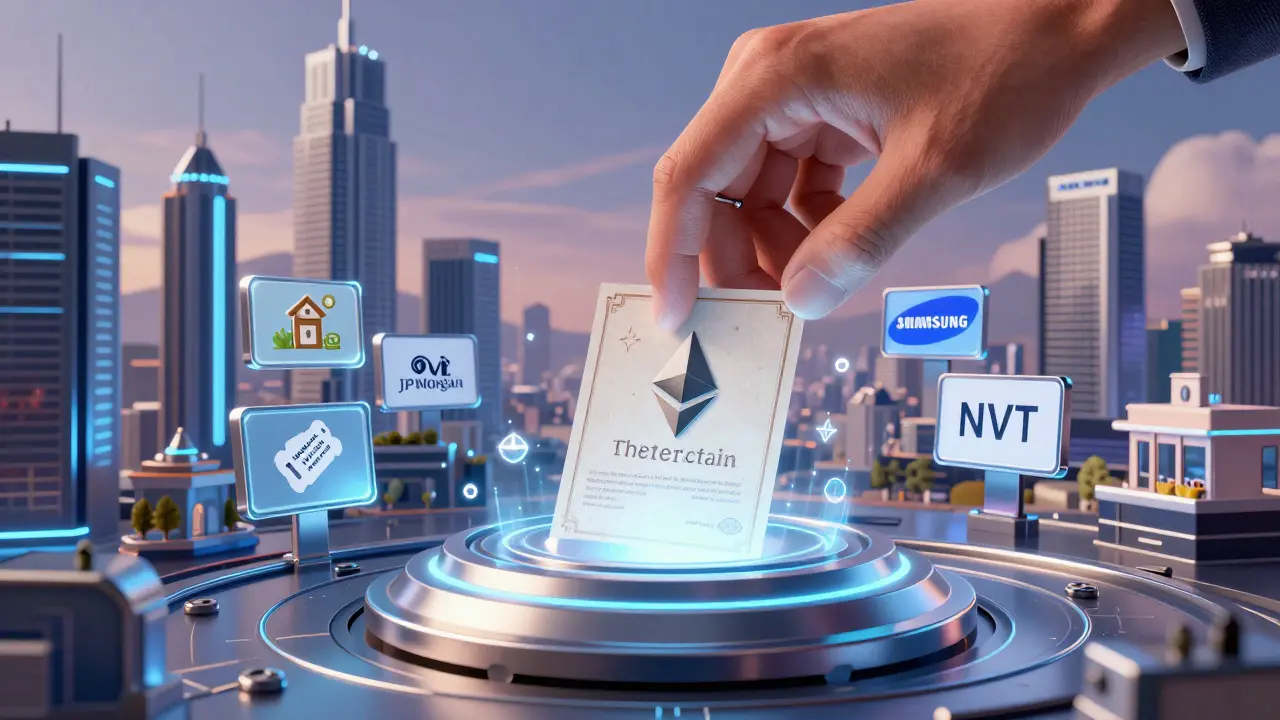
If you think this is just a fringe crypto trend, think again. Big names are investing:
- JP Morgan bought land in Decentraland to host virtual banking events.
- PwC opened a virtual office in The Sandbox to train employees in VR.
- Samsung created a virtual showroom for its latest gadgets.
- Snoop Dogg bought a whole district in The Sandbox and turned it into "Snoopverse," a music and gaming hub.
- Paris Hilton owns land in Decentraland and uses it for NFT launches and fan meetups.
These aren’t just PR stunts. These are long-term business moves. When corporations spend real money on virtual land, it signals that this isn’t a passing fad-it’s becoming infrastructure.
The Risks You Can’t Ignore
Metaverse real estate isn’t risk-free. Here’s what can go wrong:
- Platform collapse: If The Sandbox shuts down tomorrow, your SAND-denominated land is gone. No refunds. No backup.
- Token volatility: If MANA drops 70% in a week, your land’s value in USD plummets-even if you didn’t sell.
- Regulation: Governments are starting to look at virtual assets. What if taxes are introduced? Or ownership is restricted?
- Scams: Fake listings, phishing sites, and rug pulls happen. Always verify the marketplace URL. Never click random links.
- Low liquidity: Selling your land might take weeks. There’s no instant buyer like in real estate.
Only invest what you can afford to lose. Treat this like early-stage tech stock-not a safe savings account.
What’s Next? The Future of Virtual Land
The biggest question in 2026 is: Will these platforms merge?
Right now, each metaverse is a walled garden. You can’t take your Decentraland house to The Sandbox. That’s a huge barrier. But companies are working on interoperability-standards that would let you move assets between worlds. If that happens, land value could skyrocket.
Another factor: VR hardware. As Quest 3 and Apple Vision Pro become more common, more people will spend time in virtual spaces. More users = more demand for land. Experts predict metaverse user numbers could hit 1 billion by 2030.
But don’t wait for perfection. The best time to buy was five years ago. The second-best time is now.
Final Thoughts
Metaverse real estate is a high-risk, high-reward frontier. It’s not for everyone. But if you understand blockchain, are comfortable with crypto volatility, and see potential in digital economies, it’s one of the most exciting investment opportunities today.
Start small. Learn the platforms. Watch what’s happening in the spaces. Don’t chase hype. Build value. And remember: in the metaverse, the best land isn’t the one with the biggest price tag-it’s the one where people actually want to be.
Can you make real money from metaverse real estate?
Yes, people are making real money. Some investors earn rental income from virtual storefronts, event spaces, or advertising. Others flip land for profit. In 2025, top landowners in Decentraland and The Sandbox reported monthly earnings between $2,000 and $20,000. But success depends on location, development, and platform popularity-not just buying cheap land.
Do I need to own cryptocurrency to buy metaverse land?
Yes. You need ETH to pay for transaction fees (gas), and you need the platform’s native token-like MANA for Decentraland or SAND for The Sandbox-to actually buy the land. You can buy ETH on Coinbase or Kraken using a credit card, then swap it for the needed token on a decentralized exchange like Uniswap.
Is metaverse land a good long-term investment?
It depends. If you believe virtual worlds will become mainstream, then yes. But it’s not like buying a house in a growing city. Your investment is tied to one platform’s survival. If Decentraland loses users, your land loses value. Only invest if you’re confident in the platform’s future and are prepared to hold for 5+ years.
Can I build anything on my virtual land?
Most platforms let you build almost anything-stores, games, galleries, theaters. But there are limits. Some restrict adult content, others limit building size. Always check the platform’s terms. You can’t build a casino in Decentraland if it violates their rules, even if you own the land.
What happens if the platform shuts down?
If the platform shuts down, your land becomes unusable. The NFT still exists on the blockchain, but without the platform’s servers, you can’t view or interact with it. That’s why it’s critical to invest in platforms with strong teams, active users, and long-term roadmaps-not just trending ones.
How is metaverse land different from NFT art?
NFT art is digital collectibles-like a painting. Metaverse land is functional property. You can build on it, rent it, or use it as a business. It’s not just for display; it’s meant to be used. That’s why land has more potential for ongoing income than a one-time NFT collection.