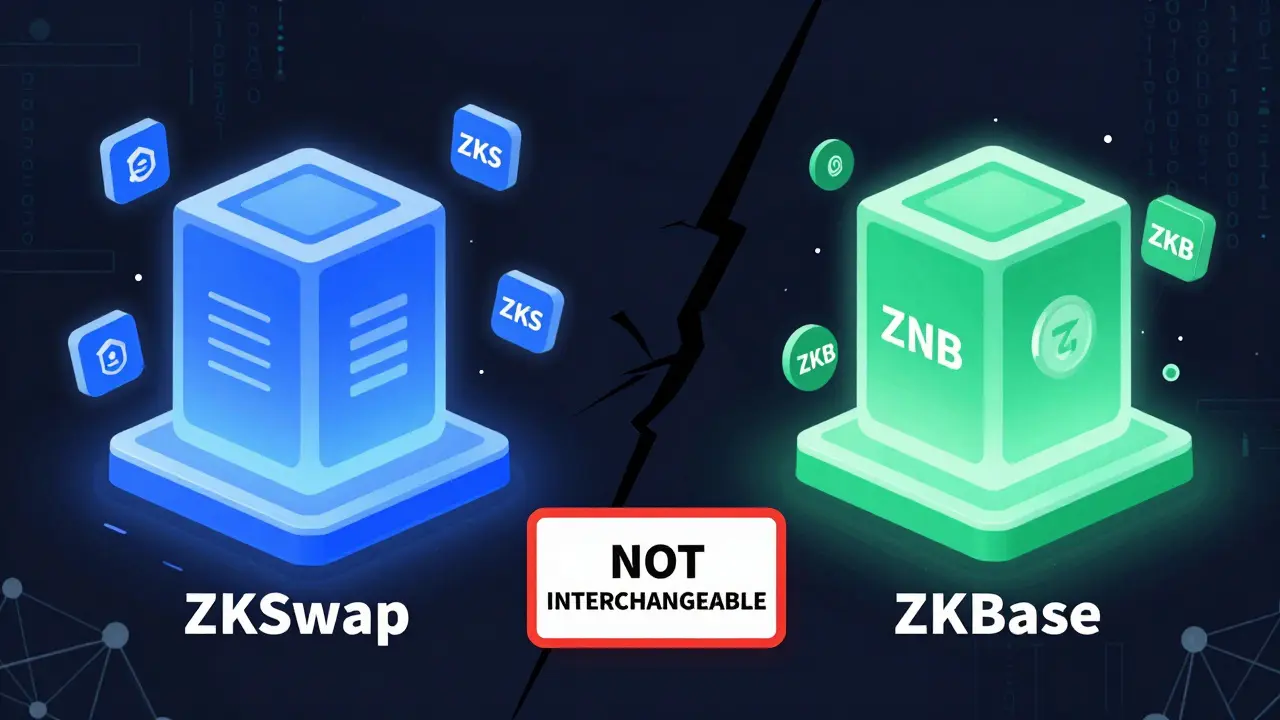
You’ve probably seen the buzz about a ZKSwap V3 airdrop involving a token called ZKB. It sounds too good to be true, right? Free tokens from a major Layer 2 protocol? Before you connect your wallet or spend hours filling out forms, we need to clear up a massive misconception that is currently circulating in crypto communities.
The short answer is this: There is no official "ZKSwap V3 airdrop" distributing ZKB tokens. This confusion stems from mixing up two completely different projects-ZKSwap (which uses the ZKS token) and ZKBase (which uses the ZKB token). Understanding the difference between these entities is critical to protecting your assets and avoiding potential scams.
Unpacking the ZKSwap and ZKBase Identity Crisis
To understand why this confusion exists, we have to look at how these projects are structured. ZKSwap is a decentralized exchange (DEX) built on Ethereum Layer 2 using ZK-Rollup technology. For years, it has been known for offering zero gas fees for traders and liquidity providers. Its native governance and utility token is ZKS.
On the other hand, ZKBase is a broader blockchain ecosystem project that operates the ZKB token. While ZKBase’s infrastructure includes components like a DEX (sometimes referred to as ZKSwap within their own ecosystem context), they are distinct entities with separate tokenomics. ZKB has a maximum supply of 600 million tokens, whereas ZKS is tied directly to the original ZKSwap protocol launched in 2019.
Here is where the mix-up happens. Many users assume that because both projects use "ZK" (Zero-Knowledge) technology and similar naming conventions, an airdrop from one benefits the other. They do not. The ZKSwap team has historically distributed rewards using ZKS tokens, not ZKB. If you see a campaign promising ZKB tokens for interacting with the legacy ZKSwap interface, it is likely a phishing attempt or a misleading marketing stunt by a third party.
The Real History: What Actually Happened with ZKSwap V3?
Let’s look at the facts regarding the actual ZKSwap V3 testnet activities. In December 2021, ZKSwap did run a promotional campaign for its V3 testnet. However, this was not a passive "claim free money" airdrop. It was an active testing incentive program.
The details were specific and rigorous:
- Timeline: The campaign ran from December 1 to December 14, 2021.
- Reward Pool: Approximately 50,000 ZKS tokens (worth roughly $30,000 at the time).
- Requirements: Participants had to connect MetaMask to the Ethereum Rinkeby Test Network, interact with the new NFT features, and write detailed reviews.
- Submission Criteria: Users needed to post comprehensive reviews of at least 300 words on the ZKSwap forum and share them on Twitter with specific hashtags.
The rewards were split into two categories: the "Best Contribution Award" gave 500 ZKS to 60 top contributors, while the "Honorable Mention Award" gave 100 ZKS to 200 others. Crucially, these rewards were paid in ZKS, not ZKB. Furthermore, this event concluded over three years ago. Any current website claiming you can still claim this specific airdrop is fake.
ZKB Token: What Is It Really?
If you are interested in ZKB, you need to know what it actually is. ZKB is the native token of the ZKBase ecosystem. As of recent data, there are approximately 197.44 million ZKB tokens in circulation out of a hard cap of 600 million. ZKBase positions itself as a multi-component platform that includes a payment service called ZKSquare and various infrastructure elements.
Unlike the high-profile ZKSwap airdrops that made headlines in 2021, there is no widely documented, large-scale public airdrop for ZKB tokens that mirrors the scale of the ZKS distributions. ZKBase relies more on standard presales, liquidity mining, and ecosystem partnerships rather than broad, retroactive airdrops to random wallets. This makes any promise of a "massive ZKB airdrop" highly suspicious.
Red Flags: How to Spot Fake Airdrop Scams
Scammers thrive on confusion. By blending the names of legitimate projects like ZKSwap and ZKBase, they create plausible-sounding narratives to trick users into connecting their wallets. Here is how to protect yourself:
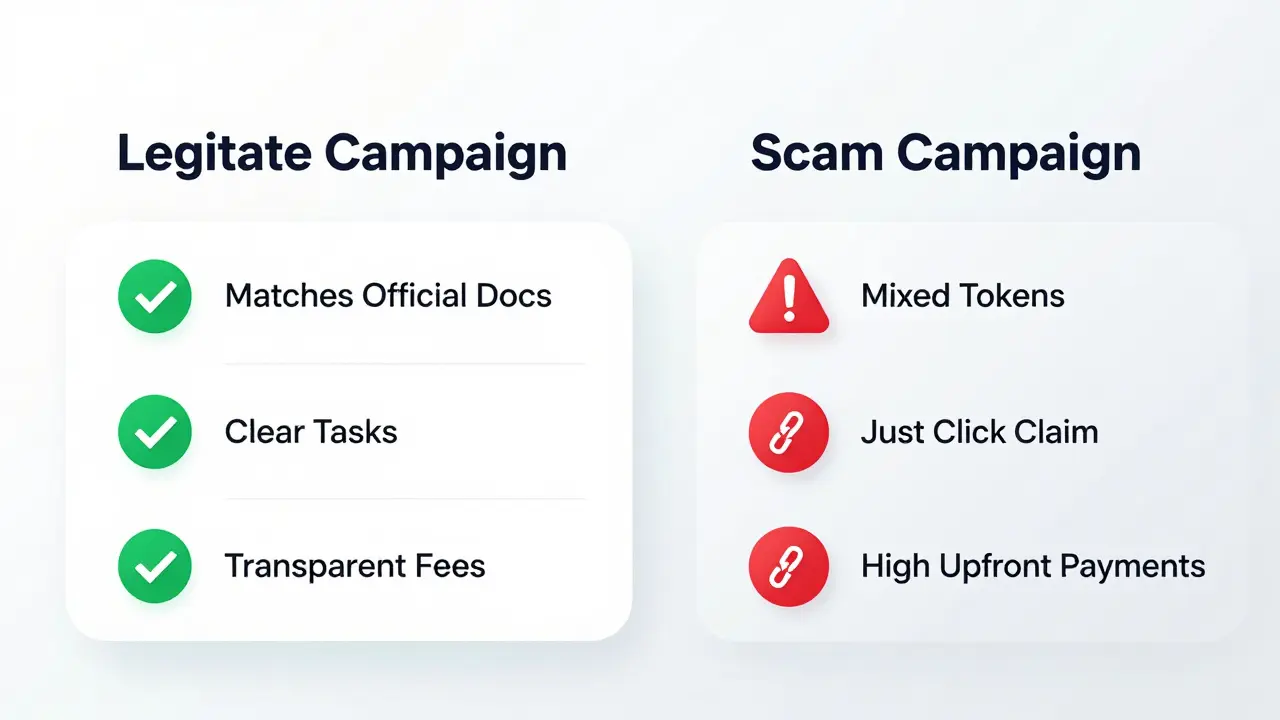
| Feature | Legitimate Campaign | Suspicious/Scam Campaign |
|---|---|---|
| Token Name | Matches the project’s official docs (e.g., ZKS for ZKSwap) | Mixes tokens (e.g., promising ZKB for ZKSwap actions) |
| Website URL | Official domain (e.g., zkswap.io) | Lookalike domains (e.g., zkswap-airdrop.com, zkb-claim.net) |
| Effort Required | Clear tasks (testing, writing, bridging) | Just "connect wallet and click claim" |
| Gas Fees | Transparent fee structure or zero-gas on L2 | Requests high upfront payments or private keys |
| Announcement Source | Official Twitter/Discord/GitHub | Random Telegram groups or unsolicited emails |
A common tactic involves creating a smart contract that looks like an airdrop claim page but actually asks for permission to transfer all your ERC-20 tokens. Never approve unlimited spending allowances on unknown contracts. Always verify the contract address on Etherscan or BscScan before interacting.
Why the Confusion Persists in 2026
You might wonder why this misinformation is still floating around in June 2026. The crypto space moves fast, and old news often gets recycled. Additionally, many smaller projects launch with names that mimic successful predecessors. There may be unrelated projects trying to ride the coattails of ZKSwap’s reputation by associating themselves with "ZK" branding.
Furthermore, the distinction between Layer 2 solutions is technical. Both ZKSwap and ZKBase utilize Zero-Knowledge proofs for scalability. To a novice user, they sound identical. However, their token economies, development teams, and roadmaps are separate. ZKSwap focused heavily on the AMM (Automated Market Maker) model with privacy features, while ZKBase expanded into payment services and broader infrastructure.
What Should You Do Now?
If you are looking for legitimate opportunities in the ZK ecosystem, focus on verified channels. Check the official social media accounts of ZKSwap and ZKBase separately. Do not trust links from Discord DMs or unverified Twitter threads. If you hold ZKS tokens, monitor the official ZKSwap governance forums for any new proposals. If you are interested in ZKB, look for listings on reputable exchanges and read the ZKBase whitepaper directly from their official site.
Remember, if an offer seems too easy, it almost certainly is. The real value in crypto comes from understanding the technology and participating in the network securely, not from chasing phantom airdrops.
Is there a current ZKSwap V3 airdrop for ZKB tokens?
No. There is no official airdrop from ZKSwap distributing ZKB tokens. ZKSwap uses the ZKS token. The ZKSwap V3 testnet incentives ended in December 2021 and were paid in ZKS. Any current claims otherwise are likely scams.
What is the difference between ZKS and ZKB?
ZKS is the native token of the ZKSwap decentralized exchange protocol. ZKB is the native token of the ZKBase ecosystem. They are issued by different projects with different utilities, supplies, and market values. They are not interchangeable.
How can I verify if an airdrop is legitimate?
Always check the official website and social media channels of the project. Verify the token symbol matches the project's documentation. Be wary of sites that ask for private keys or request high gas fees for simple claims. Use tools like Revoke.cash to manage wallet approvals safely.
Did ZKSwap ever give away free tokens?
Yes, ZKSwap conducted several airdrops in the past, most notably in February 2021 (80 million ZKS) and a testnet incentive program in December 2021. These were historical events and are no longer active.
Is ZKBase related to ZKSwap?
While both projects operate in the Zero-Knowledge Rollup space and may share similar technological goals, they are distinct entities with separate tokens (ZKB vs ZKS) and development teams. One does not officially control or distribute tokens for the other.