You might have heard the name Pikamoon and wondered if it’s the next big thing in crypto gaming. Here’s the twist: as of late 2025, that name doesn’t quite exist anymore. The project has undergone a complete rebranding to Orbio. If you’re holding PIKA tokens or thinking about buying them, you need to know what happened, why it matters, and whether this pivot saves the project or signals trouble.
This isn’t just a cosmetic change. It involves a new smart contract, a migrated token economy, and a shift in how players interact with the game world of Dreva. Let’s break down exactly what Pikamoon was, what Orbio is now, and where your money stands in this transition.
The Original Vision: What Was Pikamoon?
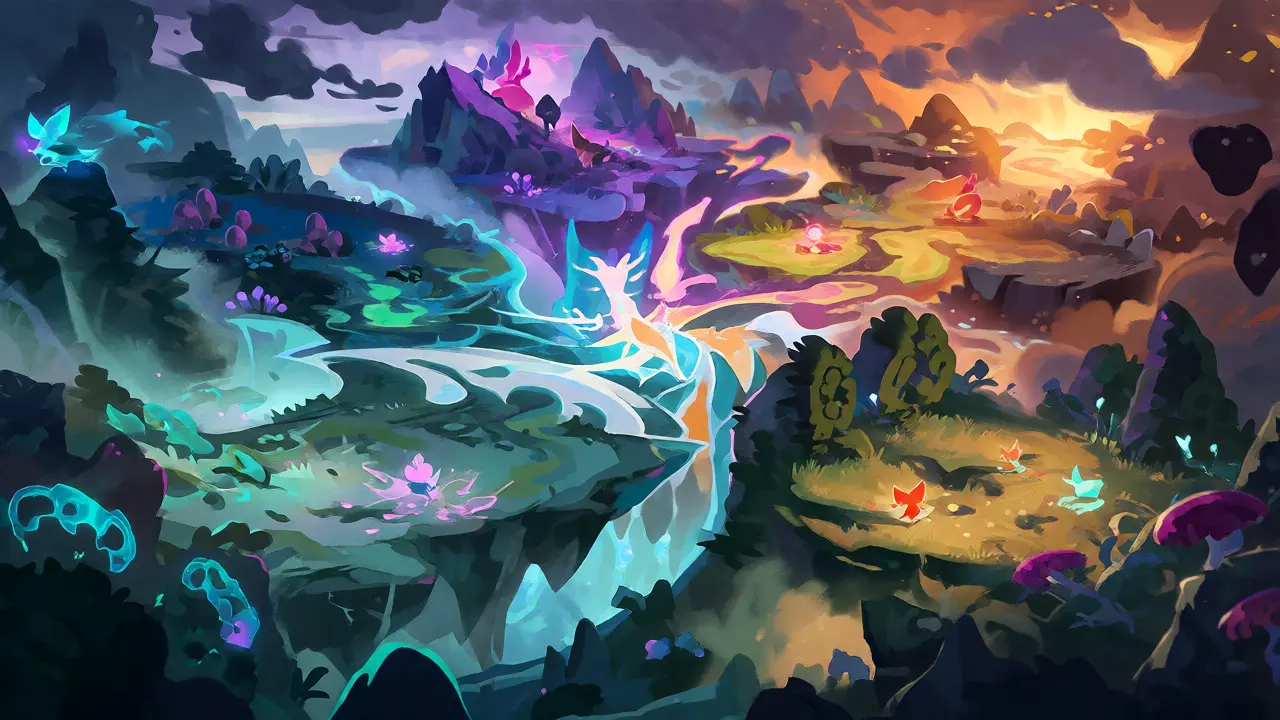
Pikamoon was a blockchain-based play-to-earn RPG launched in November 2022. It wasn’t built by a faceless corporation but by three anonymous friends who wanted to merge Pokémon-style creature collecting with decentralized finance. The core loop was simple on paper: collect digital creatures called Pikamoons, train them, and battle them across six elemental regions in the fictional world of Dreva.
The team promised an "AAA-grade" experience within the Pikaverse. Players could earn tokens through gameplay mechanics like battling in "The Nexus," a chaotic battleground at the crossroads of all regions. The integration of NFT characters and virtual economies aimed to give players true ownership of their assets. But here’s the catch: early promises of high-quality graphics and deep gameplay often clashed with the reality of slow development cycles common in Web3 projects.
The Big Pivot: From PIKA to ORBIO
In October 2025, the project announced a full rebranding to Orbio (ORBIO). This wasn’t just a name swap; it required migrating from the old PIKA smart contract to a new one. Why do projects do this? Usually, it’s to fix technical debt, improve tokenomics, or escape negative sentiment.
For Pikamoon, the timing suggests a mix of all three. By mid-2025, the community had grown frustrated. Discord members dropped from 45,000 in March 2024 to just 8,200 by November 2025. Daily active users fell even harder, from 3,200 to 450. The rebrand was likely an attempt to reset expectations and attract fresh capital under a new identity.
| Feature | Pikamoon (PIKA) | Orbio (ORBIO) |
|---|---|---|
| Token Contract | Original Ethereum ERC-20 | New Migrated Contract |
| Status | Legacy / Deprecated | Active / Current |
| Community Sentiment | Negative (2.1/5 Trustpilot rating) | Uncertain / Cautious |
| Main Focus | Play-to-Earn RPG | Enhanced Gameplay & Cross-chain |
| Exchange Listing | Limited (Mainly MEXC) | Dependent on Migration Success |
Tokenomics and Price History
Let’s talk numbers, because they tell a harsh story. Pikamoon originally had a maximum supply of 50 billion PIKA tokens. During its Initial Coin Offering (ICO), which ran from April 2023 to February 2024, tokens were sold at $0.0002 each. If you bought at the ICO price, you’ve likely seen losses. The token hit an all-time high of $0.00387 in March 2024, fueled by hype. Since then, it crashed hard.
As of late 2025, the price hovered around $0.000149. That’s a massive drop from the peak. Market cap sat at roughly $2.8 million, ranking it #878 globally. For context, established competitors like Axie Infinity maintained market caps in the hundreds of millions. Pikamoon’s liquidity was also thin, with daily trading volumes often under $150,000. This makes it risky for large investors trying to exit positions without moving the price.
Analysts remain split. Some see the low price as a bottom opportunity if the new Orbio roadmap delivers. Others view the continued decline as evidence that the original tokenomics were unsustainable-a common pitfall in early play-to-earn games where inflation outpaces utility.

How to Handle the Migration
If you still hold PIKA tokens, you can’t just sit tight. You need to migrate them to ORBIO. The process involves five steps: connect your wallet, approve the old token, burn PIKA, claim ORBIO, and verify your balance. Sounds straightforward? It wasn’t for everyone.
About 32% of users reported transaction failures during the burning phase. Ledger hardware wallet users faced extra compatibility issues, affecting nearly 28% of those participants. The official documentation on Pikamoon.io remained partially outdated, causing confusion. If you’re stuck, check the project’s Discord, though be prepared for slow response times-average support replies jumped from 15 minutes to over 8 hours.
- Step 1: Connect your MetaMask or compatible wallet to the migration portal.
- Step 2: Approve the spending allowance for the PIKA token.
- Step 3: Execute the burn transaction. This destroys your PIKA tokens.
- Step 4: Claim your new ORBIO tokens in the same wallet.
- Step 5: Verify the balance matches your expected exchange rate.
Gameplay: Is It Actually Fun?
Beyond the charts, does the game work? Reviewers like 'Web3Warrior' noted that the core battle mechanics in Dreva remain engaging despite the token turmoil. The world design shows creativity, offering distinct elemental regions with unique challenges. However, the "AAA" promise feels unfulfilled. Graphics and polish lag behind traditional AAA titles, and bugs persist.
The shift to Orbio aims to fix this. Phase 2 of the roadmap, targeted for Q1 2026, promises enhanced gameplay mechanics and cross-chain compatibility. Phase 3, in Q3 2026, targets mainstream platform integration. If these updates land well, Orbio could regain traction. If they slip again, trust will evaporate completely.

Risks and Red Flags
Investing in Orbio carries significant risks. First, regulatory pressure. In February 2025, the SEC listed Pikamoon among tokens showing signs of centralization that could classify them as securities. This legal ambiguity adds a layer of uncertainty. Second, developer activity has slowed. Without consistent updates, the player base continues to shrink.
Third, competition. The play-to-earn sector is crowded. Projects like Illuvium and Gods Unchained offer more polished experiences and stronger communities. Orbio needs to differentiate itself quickly. The probability of survival beyond 2027 is estimated at only 35% by some analysts, citing declining engagement and fragmented community trust.
Final Verdict: Should You Care About Orbio?
If you loved the original Pikamoon concept, Orbio represents a second chance. The rebrand cleans up the technical stack and resets the narrative. But don’t expect miracles. The fundamental challenge remains: building a fun game that people want to play, not just trade.
For speculators, the low entry price offers high-risk, high-reward potential. For gamers, wait for the Q1 2026 gameplay update before committing time or money. The ball is in the developers’ court to prove that Orbio isn’t just a rebrand, but a genuine evolution.
Is Pikamoon dead?
Not exactly. The project has rebranded to Orbio (ORBIO). The original PIKA token is being phased out in favor of the new ORBIO token via a migration process. The game world and community continue under the new name.
How do I convert my PIKA tokens to ORBIO?
You must use the official migration portal. Steps include connecting your wallet, approving the old token, burning PIKA, claiming ORBIO, and verifying your balance. Ensure you have enough ETH for gas fees.
Why did Pikamoon rebrand to Orbio?
The rebrand aims to address technical issues, refresh the brand image after declining user interest, and implement improved tokenomics. It also helps distance the project from negative sentiment associated with the original PIKA launch.
Where can I buy Orbio tokens?
Liquidity is currently limited. Major exchanges like MEXC have supported the transition, but availability may vary. Always check current listings on aggregators like CoinGecko or CoinMarketCap before trading.
Is Orbio a good investment?
It is a high-risk speculative asset. While the rebrand offers a fresh start, success depends on delivering tangible gameplay improvements and rebuilding community trust. Analysts estimate a 35% chance of long-term survival beyond 2027.