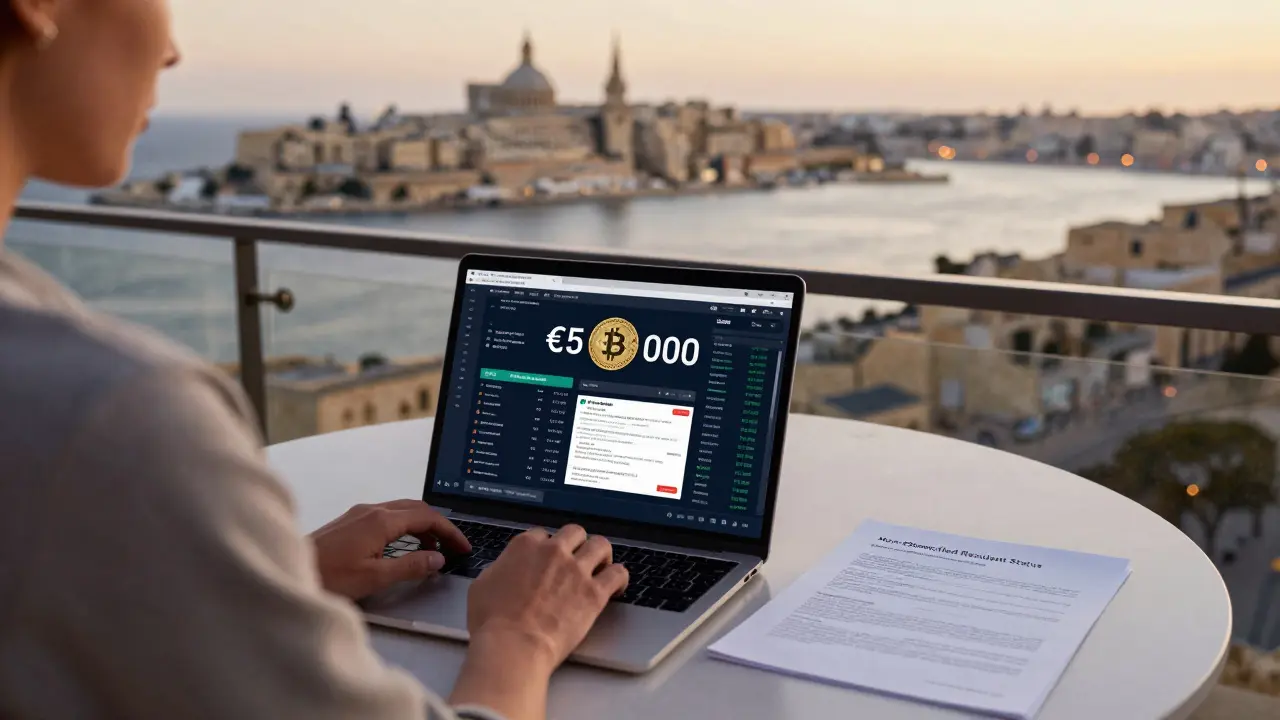
Malta doesn’t just allow cryptocurrency - it celebrates it. While most countries scramble to tax every trade, wallet transfer, or staking reward, Malta built a system where you can legally pay 0% on your crypto gains. Not a loophole. Not a rumor. A real, legal, government-approved path - if you know the rules.
How Malta Lets You Pay 0% on Crypto Gains
The secret isn’t hidden in a blockchain. It’s in residency law. Malta doesn’t tax capital gains outright. That’s rare. Most countries do. But Malta treats crypto like any other asset: if you don’t bring the money into the country, you don’t pay tax. This is called the remittance basis.
To qualify, you need three things:
- Live in Malta for at least 183 days a year
- Stay domiciled outside Malta (your permanent home is elsewhere)
- Only pay tax on income you actually bring into Malta
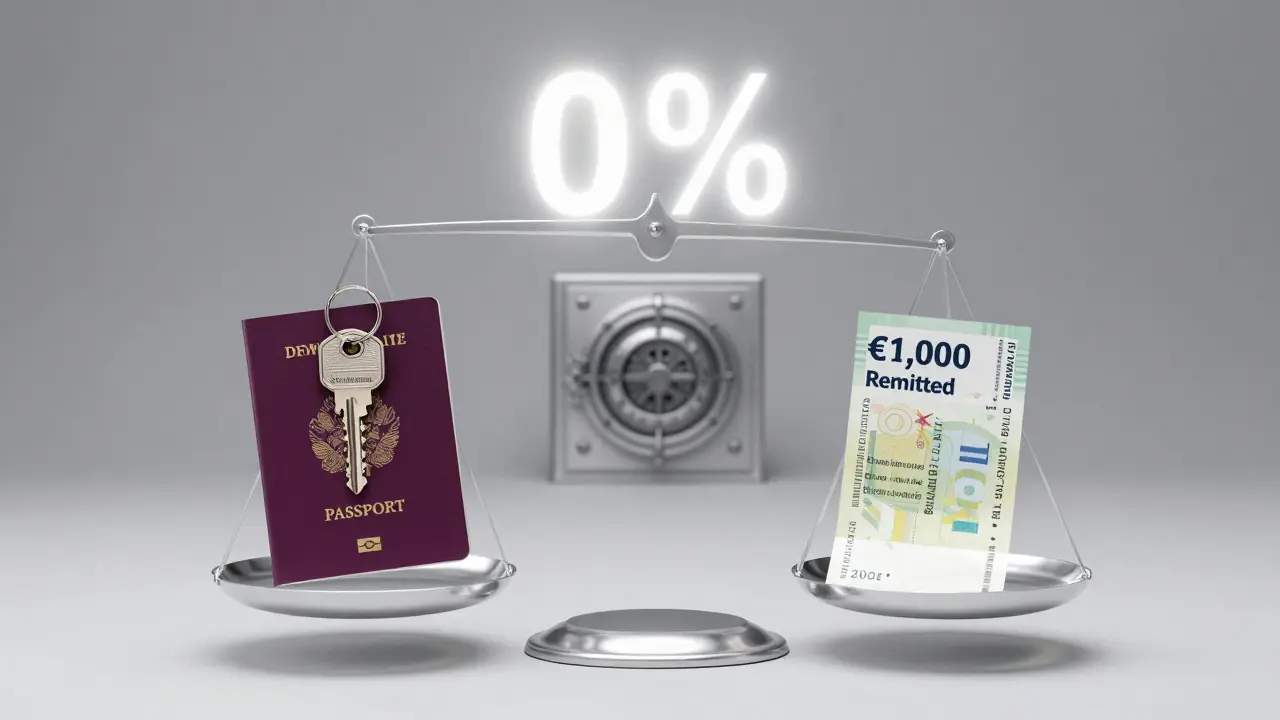
That means if you sell Bitcoin for €500,000 in January and leave the money in a Swiss bank, you owe Malta nothing. Zero. Not even a cent. But if you transfer even €1,000 to your Maltese bank account, you pay 15% on that amount. The rest? Still tax-free.
This isn’t a gimmick. It’s how Malta’s tax system works for all foreign-sourced income - crypto, stocks, rental properties, even dividends. The government doesn’t care where you made the money. They only care if you moved it here.
Who Gets Taxed? The Exceptions
Not everyone gets the 0% deal. If you’re not a non-domiciled resident, you fall under the standard rules:
- 15% tax on income over €9,000
- 35% tax on income over €60,000
And here’s where people get tripped up: trading isn’t the same as investing.
If you buy Bitcoin in 2022 and sell it in 2026, you’re an investor. No tax, if you don’t remit.
If you trade Bitcoin daily, run a bot, or make 50+ trades a month - the Maltese tax office sees you as a business. That means your profits are treated as business income. That’s taxed at 35% - unless you’re a non-dom. Then, if you don’t bring the money in, it’s still 0%.
Staking and mining? Same rule. If you’re doing it as a hobby, it’s investment. If you’re running a staking node as a full-time operation with expenses, equipment, and employees - it’s business income. Record everything. The FIAU (Malta’s financial watchdog) audits these.
What About Crypto-to-Crypto Trades?
This is the grayest area. If you swap Ethereum for Solana, is that a taxable event? Malta doesn’t say. Not clearly. Most experts assume it’s not, because you didn’t convert to fiat. But the government hasn’t confirmed it. That’s why 2025 is critical.
Expect changes. The EU’s MiCA rules are rolling out. Malta is aligning, but slowly. Right now, you’re on your own. If you’re doing swaps, keep detailed logs: timestamps, wallet addresses, values in EUR at the time of trade. You’ll need this if the tax office asks.
ICOs and airdrops? Taxable when you receive them - if they have value. A free token worth $50? That’s income. Even if you never sell it.

How to Become a Tax Resident (The Real Cost)
Living in Malta for 183 days isn’t optional. It’s mandatory. No exceptions. No “I visited for 180 days and worked remotely.” You have to be physically present. That means:
- Leaving your home country for most of the year
- Not claiming tax residency anywhere else
- Having a local address, bank account, and proof of stay
And here’s the catch: you need a residence permit. That costs money.
- €8,750/year to rent a property
- €220,000 to buy one
Plus administrative fees, legal help, and compliance paperwork. This isn’t a weekend trip. It’s a relocation. People think they can just fly in for 183 days and leave. The tax office tracks your movements. They check flight logs, mobile data, utility bills. One missed day? You lose the status.
Also, your domicile must remain outside Malta. That means: your family lives elsewhere. Your main assets are elsewhere. Your permanent home is not in Valletta. If you buy a house, live there full-time, and register your car - you’re no longer non-dom. You’re a regular tax resident. And then you pay 15-35% on everything.
Why Malta Beats Other Crypto Havens
People compare Malta to Dubai and Portugal.
Dubai? 0% tax. No residency days. But you can’t open a Euro bank account. You can’t easily operate in the EU. Your business is isolated.
Portugal? Used to be 0% on crypto. Now? They tax capital gains. They changed the rules. No guarantees.
Malta? You’re in the EU. You get banking access. You get MiCA compliance. You get double taxation treaties with 70+ countries. Your crypto gains stay tax-free - as long as you follow the rules. And unlike Dubai, you’re not an outsider. You’re a legal resident with rights.
The Hidden Costs (What No One Tells You)
Most guides make it sound easy. “Move to Malta. Pay 0%. Done.”
Reality? You need:
- A tax advisor who knows Maltese crypto law (€5,000-€15,000/year)
- Accountant for monthly reporting
- Legal help to set up your non-dom status
- Time. 183 days means 6 months. No vacation trips home for 3 months.
And if you mess up? You get fined. You get audited. You lose the status. And you might owe back taxes from the past three years.
One investor I spoke to moved to Malta, didn’t hire a pro, and thought “I’m just holding.” He sold some ETH and transferred €20,000 to his Maltese account. The tax office flagged it. He owed €7,000 in back taxes. He didn’t even know he was being taxed.
What’s Next? Malta in 2026
Malta isn’t resting. They’re adding new incentives:
- Lower taxes for DAOs and on-chain businesses
- Clearer rules on crypto-to-crypto swaps
- More support for blockchain startups
- Expanded CARF reporting (but still no tax on non-remitted gains)
The government knows crypto is here to stay. They’re not trying to shut it down. They’re trying to own it. And they’re winning. Binance, Kraken, and over 200 crypto firms have moved their HQs here.
But the system only works if you treat it like a business - not a shortcut. You can’t game it. You can’t outsmart it. You have to follow it. Exactly.
What You Should Do Next
If you’re serious about this:
- Confirm your domicile status - where is your permanent home?
- Calculate your crypto holdings. Are you trading, or holding?
- Visit Malta. Stay 3 months. See if you can live there.
- Hire a Maltese tax lawyer - don’t trust online influencers.
- Set up your property lease or purchase.
- Open a Maltese bank account. Start documenting everything.
- Never transfer crypto profits to Malta unless you’re ready to pay 15%.
Malta’s crypto tax system is the most favorable in Europe. But it’s not for everyone. It’s for people who are ready to live there - not just exploit it.
Can I pay 0% tax on crypto in Malta if I only visit for 6 months a year?
No. You must live in Malta for at least 183 days per year to qualify as a tax resident. Short visits won’t count. The Maltese tax authorities track physical presence through residency permits, utility bills, bank activity, and mobile data. If you’re not physically there for the full 183 days, you lose the non-dom status and become liable for standard tax rates.
Do I have to declare crypto I bought before moving to Malta?
No, you don’t have to declare crypto you owned before becoming a tax resident. Malta only taxes income and gains that are remitted to the country. So if you bought Bitcoin in 2023 and moved to Malta in 2025, your existing holdings are not taxed - even if you sell them later, as long as you don’t transfer the proceeds into a Maltese bank account.
Is staking crypto taxable in Malta?
Staking rewards are taxable only if you’re considered a business - meaning you’re running staking as a commercial activity with equipment, expenses, or employees. For most individuals holding crypto for personal investment, staking rewards are treated as capital gains - not income. If you don’t remit those rewards to Malta, you pay no tax. If you do, you pay 15% on the amount transferred.
Can I use a crypto exchange based in Malta to avoid taxes?
No. Using a Maltese exchange like Binance Malta doesn’t change your tax status. Taxation depends on your residency, not where the exchange is located. If you’re not a Maltese tax resident, you’re still taxed under your home country’s rules. If you are a resident, you benefit from the remittance system - regardless of which exchange you use.
What happens if I transfer crypto profits to Malta and later move them out?
Once you transfer crypto profits into Malta, they become taxable income. Even if you later move the funds out of Malta - say, to a Swiss bank - you still owe the 15% tax on the amount originally remitted. The tax liability is triggered at the moment the funds enter the country. There’s no way to undo it by moving money out later.