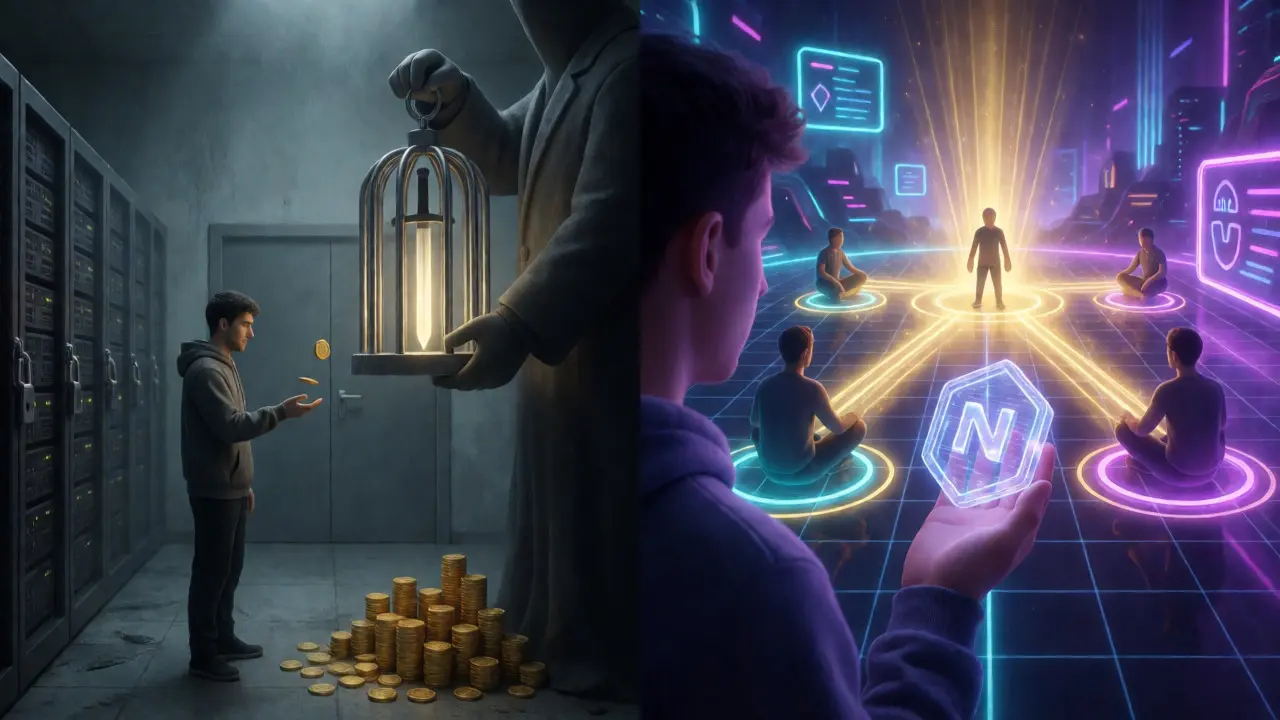
Remember the last time you spent $50 on a skin in Fortnite? You felt cool for a week. Then maybe you quit the game. Did you get your money back? No. The publisher kept it. That model is breaking. Today, virtual economies in blockchain games are flipping that script. You don't just rent digital items; you own them. This shift isn't just about hype. It's about fundamental economic rights in digital spaces. If you've ever wondered why players are spending real cash on pixelated cats or virtual land, this guide explains the mechanics behind the money.
What Exactly Is a Virtual Economy?
A virtual economy is an economic system within a digital world where users exchange goods, services, or currency. Think of World of Warcraft gold or EVE Online credits. These systems have existed since the late 1970s with MUD games. But traditional virtual economies have a fatal flaw: centralization. In most modern MMOs, the game publisher controls everything. They decide how many swords drop from monsters. They set the price caps. They can ban your account and wipe your inventory instantly. You have no legal claim to those assets outside the game server.
Blockchain changes the infrastructure. Instead of storing your sword on a company's private server, it lives on a public ledger. This creates a decentralized virtual economy where ownership is verifiable and transferable without permission from the game developer. The value shifts from "access" to "asset." When you buy a weapon in a blockchain game, you aren't buying a license to use code. You are buying a token that represents unique data. This distinction matters because it allows the asset to survive even if the game shuts down.
The Tech Stack: NFTs, Wallets, and Smart Contracts
To understand how these economies function, you need to look at the three pillars supporting them: Non-Fungible Tokens (NFTs), crypto wallets, and smart contracts. These aren't just buzzwords. They are the plumbing of the new economy.
Non-Fungible Tokens (NFTs) represent unique digital assets like characters, skins, or virtual real estate. Unlike cryptocurrencies such as Bitcoin, which are fungible (one Bitcoin equals another Bitcoin), each NFT has a distinct identifier. In CryptoKitties, launched in 2017, every cat was a unique NFT. This uniqueness drives scarcity, which drives value. If there are only 100 golden swords minted, their price rises as demand increases. Traditional games fake scarcity by limiting drops, but they can always print more. Blockchains enforce hard caps via code.
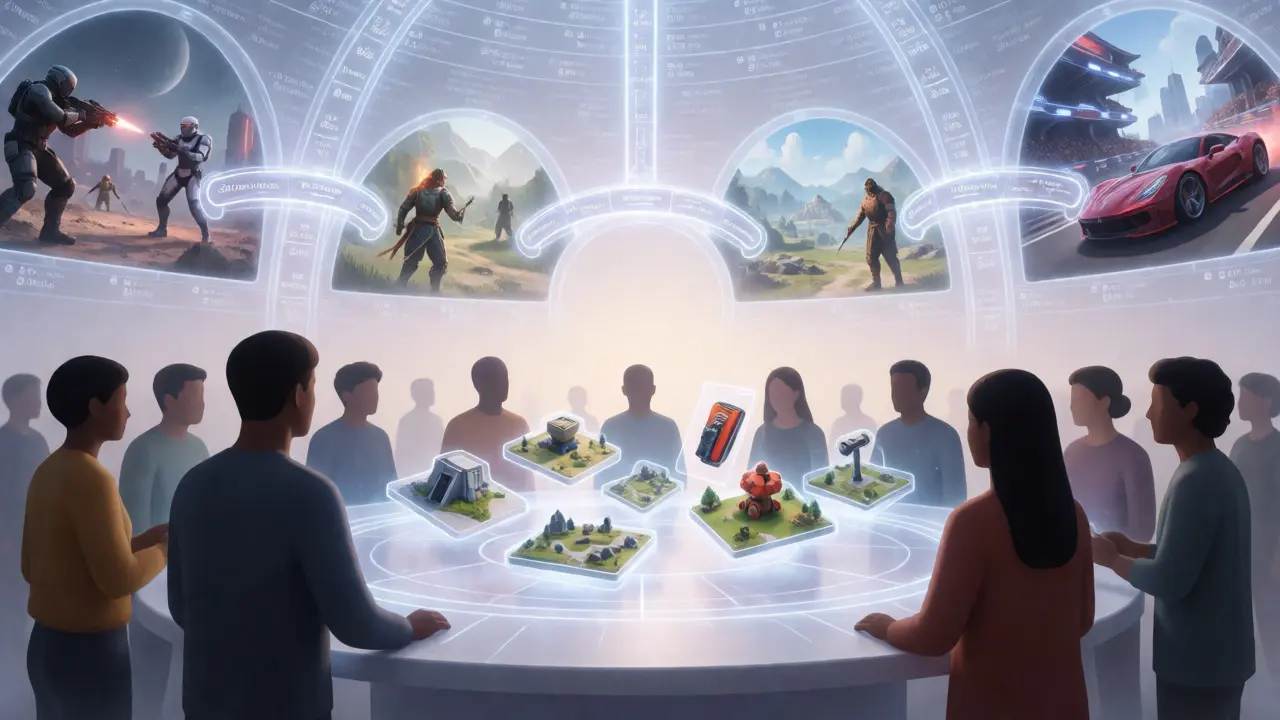
Your identity also changes. In Web2 games, you log in with Steam or Epic accounts. In Web3 games, your crypto wallet serves as your universal player ID. This wallet holds your assets across different platforms. Imagine taking a rare helmet from one RPG and wearing it in a completely different shooter game because both recognize the same wallet standard. This is interoperability, and it’s the holy grail for gamers tired of siloed ecosystems.
Finally, smart contracts automate the rules of trade. They execute transactions when conditions are met. No middleman takes a cut unless coded to do so. If you sell an item, the contract moves the funds and the token simultaneously. This reduces fraud and speeds up market liquidity compared to grey-market sites like G2A, where disputes often drag on for weeks.
| Feature | Traditional Games | Blockchain Games |
|---|---|---|
| Asset Ownership | Publisher owns assets; player has license. | Player owns assets via NFT keys. |
| Marketplace Control | Centralized; publisher sets prices/rules. | Decentralized; open secondary markets. |
| Interoperability | Assets locked to single game/platform. | Portable across compatible games. |
| Earning Potential | Rare; usually requires gray market sales. | Native; tokens earnable through play. |
| Governance | Top-down decisions by developers. | Community voting via DAOs possible. |
Play-to-Earn: Real Income or Just Hype?
The term Play-to-Earn (P2E) describes models where gameplay generates cryptocurrency rewards. Axie Infinity popularized this during the pandemic. Players bred and battled creatures called Axies. Winning battles earned Smooth Love Potion (SLP) tokens. These tokens could be swapped for US dollars. For people in developing nations, this wasn't just pocket change. It was a viable wage.
But here is the catch. P2E economies are fragile. They rely on constant influxes of new players to buy up the earnings of existing players. When growth slows, token prices crash. We saw this clearly in 2022. Many early adopters made fortunes, but later entrants lost money. The key difference between a sustainable economy and a Ponzi-like structure is utility. Does the token have uses beyond speculation? Can you spend it on upgrades, cosmetics, or governance votes? If not, the economy will deflate rapidly.
Compare this to EVE Online. While not fully blockchain-native, its player-driven economy showed what happens when supply and demand are left alone. In 2014, analysts estimated its virtual GDP at $18 million. Players mined resources, manufactured ships, and fought wars over territory. The value came from social status and strategic advantage, not just cash conversion. Blockchain games aim to replicate this organic complexity while adding transparent ownership records.
Decentralized Governance: Who Runs the Game?
In traditional studios, executives decide patch notes. If nerfs make your favorite character weak, you complain on forums. Nothing changes until the next expansion. Blockchain introduces Decentralized Autonomous Organizations (DAOs) into gaming governance. A DAO is a community-led entity with no central authority. Token holders vote on proposals. Should we increase the drop rate of legendary items? Should we allocate treasury funds to hire new artists?
This shifts power dynamics significantly. Players become stakeholders. If the game improves, their assets appreciate. If management makes bad calls, they can exit or vote out leaders. However, voter apathy is a real problem. Most casual gamers don't care about reading whitepapers. They just want to play. Successful DAOs balance professional development teams with community input, ensuring that technical expertise still guides long-term strategy while players retain veto power on major economic shifts.
Challenges: Congestion, Volatility, and Regulation
It’s not all smooth sailing. Remember CryptoKitties clogging the Ethereum network in 2017? Transaction fees spiked because too many people wanted to breed cats. Scalability remains a hurdle. High gas fees can eat into profits for small traders. Layer-2 solutions like Polygon or Solana help, but fragmentation means your assets might not move easily between chains yet.
Volatility is another beast. Your in-game wealth fluctuates with global crypto markets. You might grind for hours to earn 10 tokens, only to see their dollar value drop 20% overnight due to news unrelated to gaming. This uncertainty discourages mainstream adoption. Regular gamers want stability, not a day-trading job attached to their hobby.
Regulatory clarity is murky. Are in-game tokens securities? Commodities? Governments are still figuring this out. In some jurisdictions, earning income from gaming triggers tax liabilities. Ignoring this can lead to headaches come filing season. Always check local laws before diving deep into P2E ventures.
Getting Started: Practical Steps for Players
If you want to explore these economies, start small. Don't bet your rent money on a new token launch. Here is a practical approach:
- Set Up a Wallet: Download MetaMask or Phantom. Secure your seed phrase offline. Never share it.
- Fund It Carefully: Buy a small amount of ETH or SOL. Treat this as entertainment budget, not investment capital.
- Research Before Buying: Look at the tokenomics. What percentage goes to insiders? Is there a burn mechanism? Read the whitepaper, not just the Twitter thread.
- Try Free-to-Play First: Many blockchain games offer free entry. Test the gameplay loop before spending cash on NFTs.
- Diversify Assets: Don't hold only one type of token. Mix liquid currencies with rare collectibles to hedge against volatility.
The future of gaming looks less like renting a toy and more like owning a piece of a digital nation. As technology matures, expect smoother interfaces and better cross-game compatibility. The barrier to entry will lower, bringing millions of traditional gamers into the fold. Until then, stay curious, stay cautious, and remember: in blockchain games, you truly own your adventure.
Can I lose my money in blockchain games?
Yes, absolutely. Asset values depend on market demand and project success. If a game loses popularity, NFT prices can plummet. Additionally, smart contract bugs or hacks can result in total loss. Always invest only what you can afford to lose.
Do I need to know coding to play?
No. Modern blockchain games hide the complexity. You interact with user-friendly interfaces similar to traditional games. Coding knowledge helps if you want to create assets or develop mods, but it is not required for playing and trading.
How are taxes handled for gaming earnings?
This varies by country. Generally, earning tokens is treated as income at the fair market value when received. Selling them later may trigger capital gains tax. Consult a tax professional familiar with cryptocurrency regulations in your jurisdiction.
What happens if the game servers shut down?
Your NFTs remain on the blockchain. You still own the token. However, you might lose access to the specific game interface. Some communities fork games or build new frontends, allowing continued interaction with the assets, but functionality may degrade.
Are all blockchain games pay-to-win?
Not necessarily. Some designs emphasize skill over gear. Others allow renting assets, letting non-payers compete. Developers increasingly focus on balancing economies to ensure fairness, though wealthy whales often hold advantages in early-stage projects.