Decentralized Exchange: What It Is, How It Works, and Which Ones Actually Matter
When you trade crypto on a decentralized exchange, a peer-to-peer platform that lets users trade digital assets without relying on a central company. Also known as a DEX, it removes banks, brokers, and account freezes—putting control directly in your hands. Unlike traditional exchanges where you hand over your keys, a DEX runs on smart contracts. You keep your crypto in your own wallet, and trades happen automatically when conditions are met. No one can freeze your funds, no one can shut it down, and no one can sneak in and steal your assets through a central server breach.
This shift changes everything. A stablecoin swap, the act of exchanging one digital dollar like USDC for another like DAI without leaving the blockchain is now faster and cheaper than ever, thanks to DEXs like xSigma that cut slippage to 0.02%. Meanwhile, DeFi, a system of open financial apps built on blockchains that don’t need permission to use relies entirely on DEXs to move value. Bancor, SyncSwap, Firebird Finance, and KCCSwap—all mentioned in the posts below—are different flavors of DEXs, each trying to solve a different problem: low fees, cross-chain swaps, or liquidity rewards. But not all are equal. Some have real users and deep pools. Others are ghost towns with fake volume.
What you’ll find here isn’t a list of every DEX ever made. It’s a curated look at what’s real, what’s broken, and what’s worth your time. You’ll see how a DEX like Metal X revived itself as a no-KYC Bitcoin trading hub, how SyncSwap on Scroll fell apart due to poor liquidity, and why Firebird Finance’s cashback rewards mean nothing if its token has zero value. You’ll learn why some DEXs are built for whales moving millions in USDT, and why others are just meme coin launchpads with no back-end support. Some are designed for experts who understand gas fees and slippage. Others are traps disguised as opportunities.
If you’ve ever wondered why your trade took 10 minutes and cost $20 in gas, or why your favorite token vanished from a platform overnight, the answers are in these posts. This isn’t theory. It’s what’s happening right now—on-chain, in real time, with real money at stake. The next time you open a DEX, you’ll know exactly what to look for—and what to walk away from.
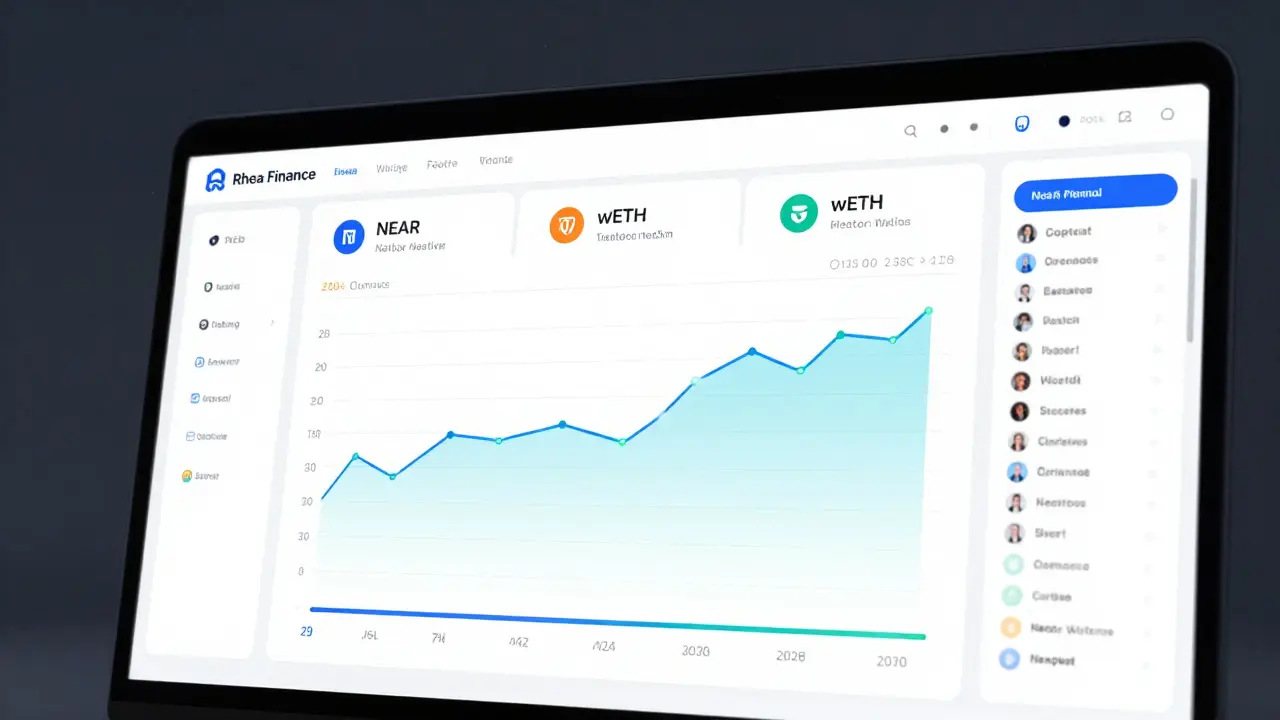
Rhea Finance is a merged DeFi exchange on NEAR Protocol offering consolidated liquidity, 106 trading pairs, and a unique RHEA token. Learn its strengths, risks, and whether it's worth using in 2026.
0 Comments
by Tamara Nijburg
Bluefin is a high-speed decentralized crypto exchange on the Sui blockchain, offering sub-second trades, wallet-less access, and institutional-grade security. With $65B in volume and $200M in TVL, it bridges Web2 convenience with Web3 safety.
0 Comments
by Tamara Nijburg
Block DX is a fully decentralized crypto exchange with no KYC, self-custody, and on-chain order matching. Learn how it works, its pros and cons, and who it's really for in 2026.
0 Comments
by Tamara Nijburg
MonoX Protocol promised single-token liquidity on Polygon but failed to gain traction. With $0 trading volume and no updates since 2021, it's now abandoned. Learn why it died and what to use instead.
0 Comments
by Tamara Nijburg
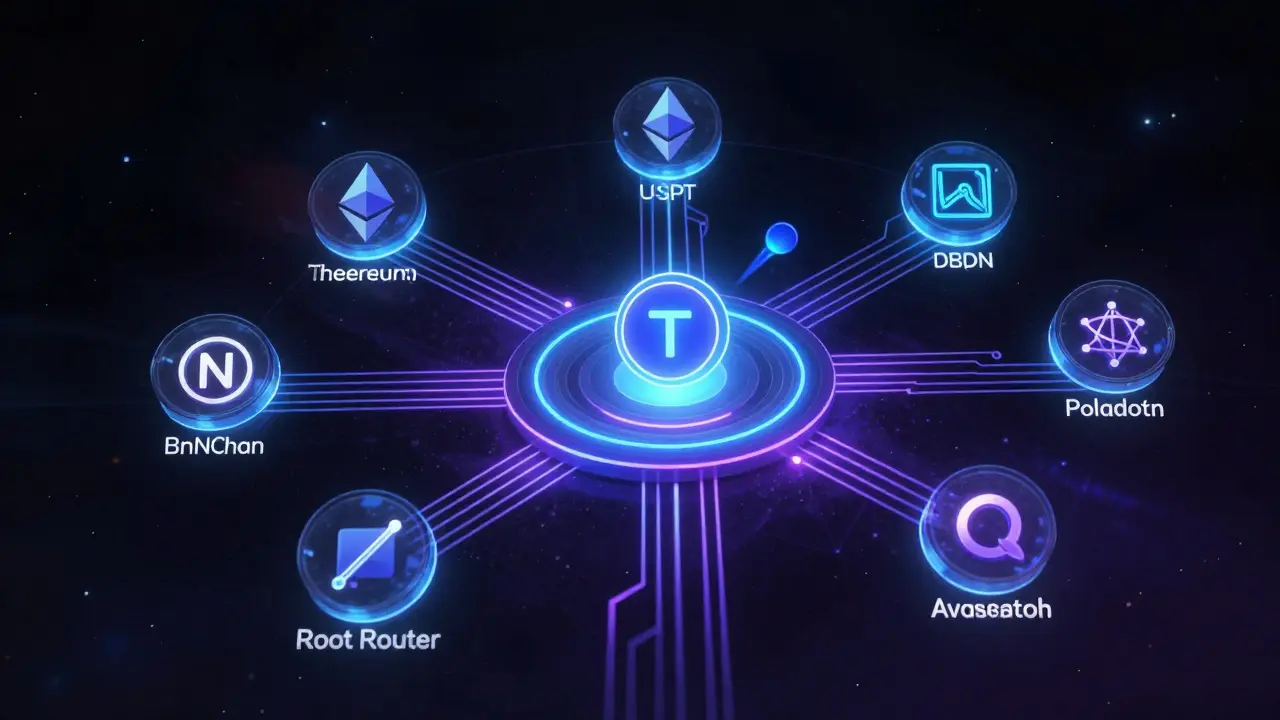
Hermes Protocol is an omnichain decentralized exchange that unites volatile and stable asset trading without bridges. Low fees, fast swaps, but thin liquidity. Best for Polkadot users who trade across chains.
0 Comments
by Tamara Nijburg
KyberSwap Elastic on Polygon offered innovative concentrated liquidity and auto-compounding fees - until a $56M exploit shattered trust. Here’s what went wrong and why you should avoid it in 2025.
0 Comments
by Tamara Nijburg