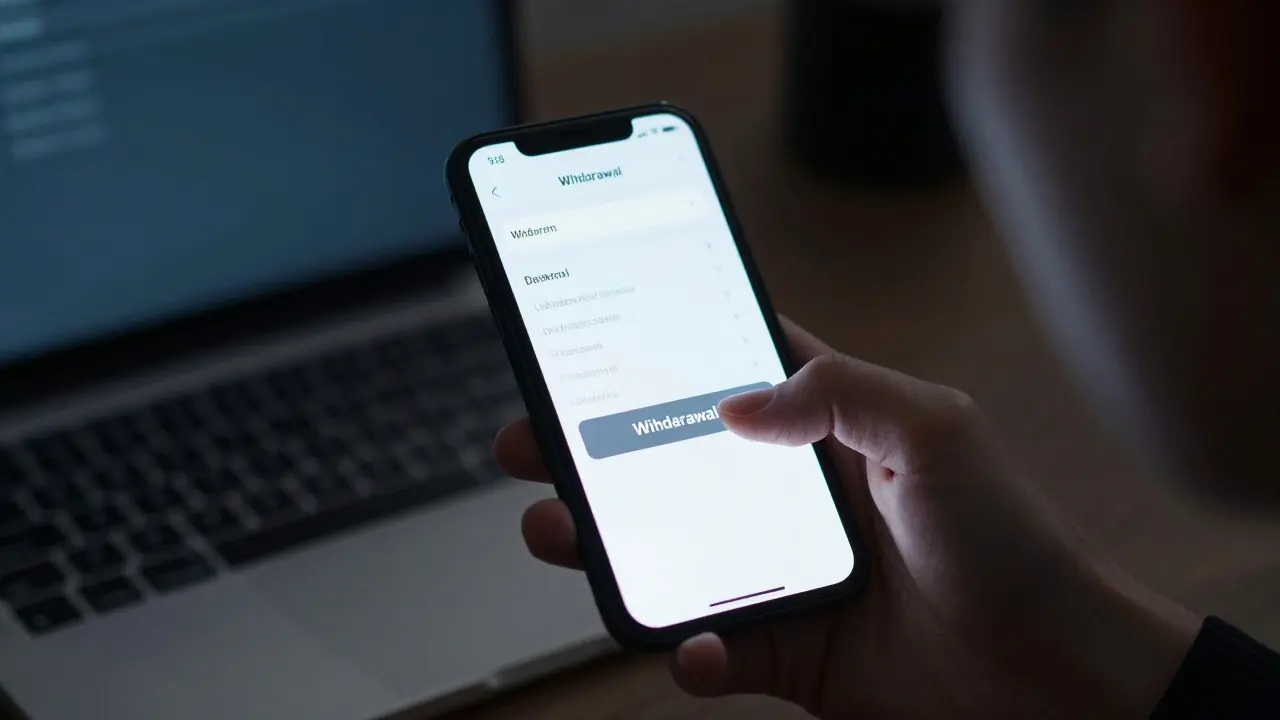
Imagine waking up to find your trading dashboard frozen and the withdrawal button completely disabled. For thousands of users, this wasn't a nightmare-it was the reality of using the AAX crypto exchange. While the platform once marketed itself as a high-tech paradise for professional traders, it ended up becoming a textbook example of why you should never trust a platform blindly, regardless of how fast its "matching engine" is.
Key Takeaways
- Current Status: The exchange is defunct; it ceased all operations in December 2022.
- The Red Flag: The CEO resigned in May 2021, signaling internal instability long before the crash.
- The Collapse: Withdrawals were frozen on November 13, 2022, followed by a total shutdown.
- Main Lesson: High-speed technology (like LSEG infrastructure) does not equal financial security.
- Verdict: Avoid any platform that lacks transparent regulatory licenses and independent audits.
The Tech Promise: LSEG and Ultra-Low Latency
When AAX (also known as Atom Asset Exchange) first hit the scene, it didn't try to compete on coins alone. Instead, it focused on speed. The platform was built using LSEG Technology's matching engine, a piece of infrastructure usually reserved for the big leagues of traditional finance. They claimed trading latency as low as 90 microseconds, which basically means trades happened almost instantaneously.
For a retail trader, this sounded great. They offered four distinct ways to trade: a "Fast Buy" option for fiat-to-crypto conversions, Over-the-Counter (OTC) trading for whales who wanted to move huge volumes without moving the market price, standard Spot trading, and Futures contracts. They even let people use up to 100X leverage, which is an incredibly risky way to gamble on price movements.

Trading Tools and Features
On the surface, AAX looked like a pro tool. It provided the usual suite of order types-limit, market, and stop-market orders. They even included a built-in calculator to help traders figure out their liquidation prices and return on equity. If you've ever traded futures, you know that calculating your liquidation point in your head is a recipe for disaster, so having a tool for that was a nice touch.
However, these features were just window dressing. While the interface was relatively user-friendly, the actual experience of moving money was a mess. Fiat withdrawal fees could hit $35 USD, and users frequently complained that the process was confusing and slow. It's a classic case of a company spending all its budget on the "shiny" trading engine while ignoring the basic plumbing of the user experience.
The Warning Signs No One Ignored
Looking back, the collapse of AAX wasn't a sudden accident; it was a slow-motion car crash. The first major crack appeared in May 2021 when the CEO, Thor Chan, resigned. In the corporate world, a sudden leadership change at the top is often a signal that something is wrong behind the scenes. But most users kept trading, lured in by the low fees and fast speeds.
The situation turned critical in late 2022. On November 13, AAX suddenly suspended all cryptocurrency withdrawals. If you've followed the crypto markets, you know that "temporary suspension of withdrawals" is almost always code for "we are insolvent." By December 16, 2022, the platform vanished entirely, leaving investors with locked funds and no clear path to recovery.
| Metric | Score/Value | User Sentiment |
|---|---|---|
| Traders Union Trust Score | 2.4 / 5 | Poor |
| Trustpilot User Score | 1.9 / 5 | Very Negative |
| TrustFinance Score | 31 / 100 | Unsuitable |
| Seedly Service Rating | 3.5 / 5 | Mediocre |

The Regulatory Black Hole
One of the biggest mistakes users made was ignoring the lack of regulatory transparency. AAX was founded in the Seychelles and operated out of Hong Kong, but they never provided clear evidence of Tier 1 licenses from recognized global financial authorities. When a platform claims to be "institutional grade" but can't show you a license from a reputable regulator, you're essentially handing your money to a stranger in a dark alley.
The absence of fund segregation-meaning the company's money and the users' money were likely mixed-is what makes these collapses so devastating. Without a regulatory body enforcing the separation of assets, the exchange can use your deposits to cover its own operational losses or, worse, for speculative bets that go wrong.
Lessons for the Modern Trader
The story of AAX is a cautionary tale. It proves that technical sophistication is not a substitute for integrity and transparency. A platform can have the fastest matching engine in the world, but if they don't have a verified security audit or a clear regulatory framework, that speed just helps you lose your money faster.
If you're looking for a new exchange today, don't get blinded by fancy features. Instead, ask yourself: Where are they licensed? Do they publish "Proof of Reserves" (PoR) that is verified by a third-party accounting firm? Is there a clear history of leadership stability? If the answer to any of these is "I don't know," then your funds are not safe there.
Is AAX crypto exchange still operating?
No, AAX officially ceased all operations on December 16, 2022. The platform is defunct and no longer allows trading or withdrawals.
Can I recover my funds from AAX?
Recovering funds from a collapsed exchange is extremely difficult. Since the platform shut down abruptly and lacked transparent regulatory oversight, most users have reported significant losses with no official recovery channel.
What happened to the CEO of AAX?
Thor Chan, the CEO, resigned in May 2021. This event occurred well before the actual collapse of the platform in late 2022, serving as an early warning sign of internal instability.
What was the main appeal of AAX before it closed?
AAX attracted users with its ultra-low latency trading infrastructure powered by LSEG Technology, offering high speeds and institutional-grade tools for retail traders.
How can I avoid similar scams in the future?
Prioritize exchanges that provide transparent regulatory licenses, undergo regular independent security audits, and provide verifiable Proof of Reserves to ensure your assets are actually held by the platform.