Most people hear about Bitcoin or Ethereum and think that’s what crypto is all about. But there are hundreds of obscure tokens out there - one of them is Flixxo (FLIXX). If you stumbled upon this coin while browsing a crypto tracker, you might’ve wondered: Is this real? Is it worth anything? And why does it even exist?
What Flixxo Actually Does
Flixxo isn’t just another altcoin with a flashy website and no purpose. It was built in 2017 with a clear goal: to replace Netflix, YouTube, and other big streaming services with a peer-to-peer video network. The idea? Let users share their extra bandwidth and hard drive space to store and stream videos - and get paid in FLIXX tokens for doing it. Instead of paying a company like Amazon or Google to host your video, you upload it to Flixxo’s decentralized network. Other users who have the Flixxo app running on their computers help deliver that video to viewers. In return, both the uploader and the bandwidth sharers earn FLIXX tokens. No middlemen. No 30% platform cut. No ads. It sounds simple. But here’s the catch: it never really took off.The FLIXX Token: How It Works
FLIXX is the fuel of the Flixxo system. Every time someone watches a video on the platform, they pay a tiny amount in FLIXX. That money goes directly to the person who uploaded the video and to the users who helped deliver it. The more you contribute - whether by storing video files or sharing your internet speed - the more FLIXX you earn. The token runs on the Ethereum blockchain as an ERC-20 token, though some sources claim it’s also on Solana. That contradiction alone should raise red flags. If the team can’t even agree on which blockchain they’re using, how can you trust the system? Total supply: 196.33 million FLIXX. Circulating supply: 84.32 million. That means about 43% of all tokens are already out there. But here’s the kicker: almost none of them are being traded.Real Numbers: Is Flixxo Worth Anything?
As of December 2023, FLIXX was trading between $0.010 and $0.012. Sounds cheap? Maybe. But look deeper. - Market cap: under $1 million (around $997,400 according to CoinMarketCap). That’s less than the price of a used car. For comparison, even small crypto projects with real traction sit at $100 million or more. - 24-hour trading volume: $0.000017. That’s less than two cents. Zero. Point. Zero. Zero. Zero. Zero. One. Seven. You could buy a coffee with more than that. - All-time high: $0.985 in January 2018. That’s a 98.8% drop since then. - All-time low: $0.0001859 in June 2022. That’s a 6,262% increase since then - but only because the market was so dead, even a tiny bump looks huge. These numbers don’t mean the token is worthless. They mean it’s essentially dead. No liquidity. No buyers. No sellers. Just a few hundred people holding onto it, hoping it’ll rise again.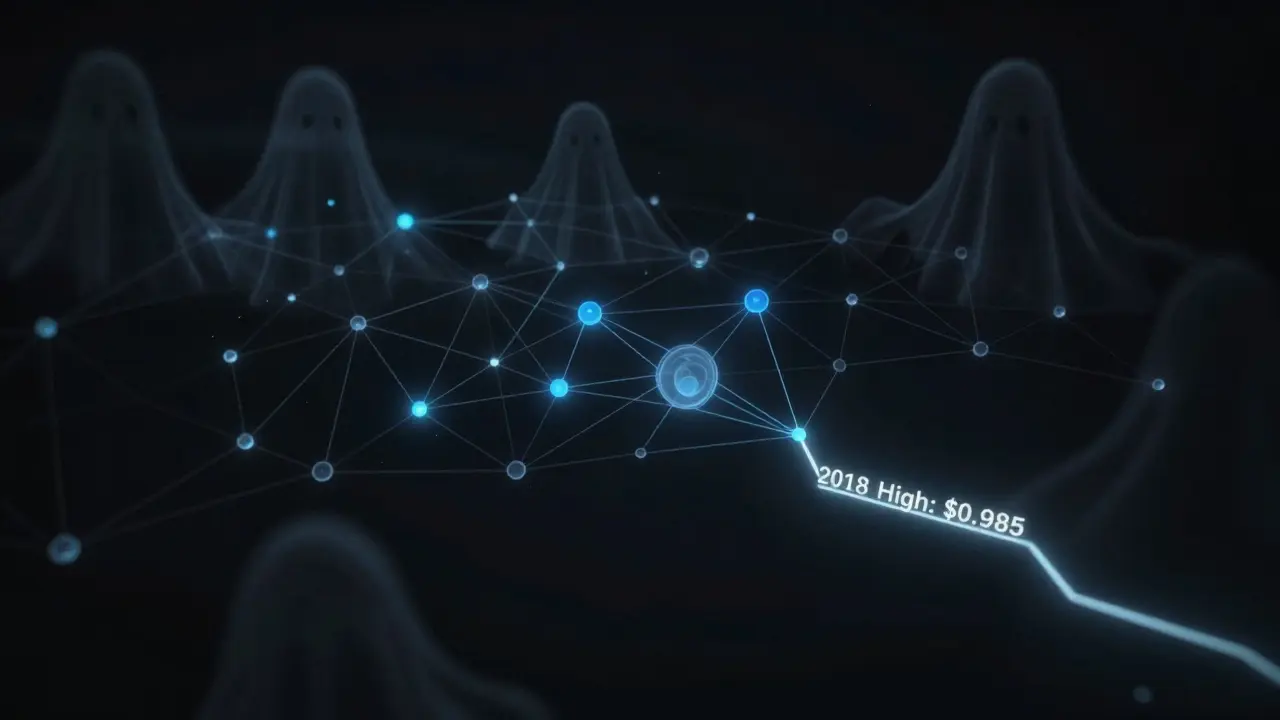
Who’s Using Flixxo?
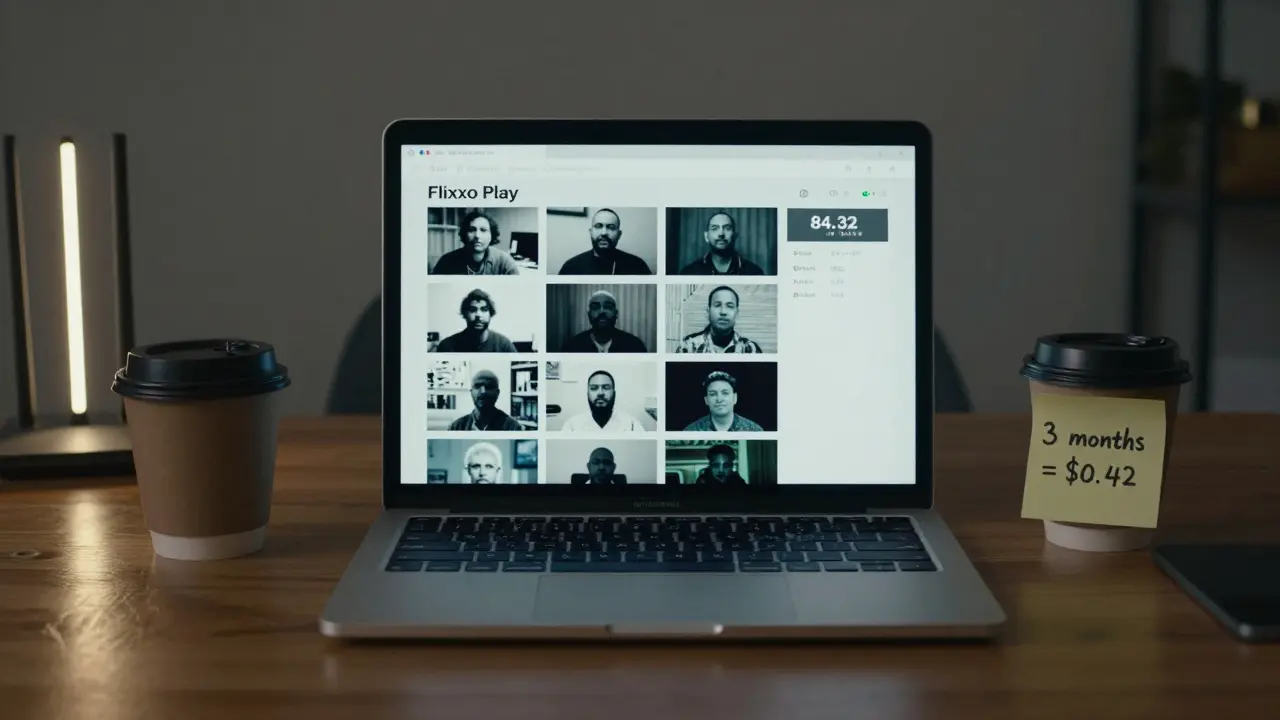
According to CoinMarketCap, there are only 2,970 wallet addresses holding FLIXX. That’s less than the attendance at a small local concert. Most of these users are crypto enthusiasts who bought it years ago and never sold - or people who tried to earn tokens by sharing bandwidth and gave up after a few weeks. One Reddit user, ‘StreamTech2023’, shared his experience: he ran the Flixxo app for three months and earned $0.42. He spent more time troubleshooting the software than he made in tokens. Another user, ‘CreatorAlex’, said they earned $0.18 when their short documentary got 42 views. That’s 42 cents per view - but only if you count the token value at $0.011. In reality, you can’t even spend those tokens anywhere. There’s no app store. No mobile app. No integration with smart TVs. The platform, Flixxo Play, looks like it was built in 2017 and never updated. Screenshots in the help docs don’t match the current interface. Customer support? Nonexistent.Why Flixxo Failed
The idea behind Flixxo was ahead of its time. But being ahead of your time doesn’t help if no one’s following. Here’s why it didn’t work:- No content library: There are barely any videos on the platform. You won’t find movies, TV shows, or even popular YouTube-style content. It’s mostly indie creators uploading short clips.
- Hard to use: Setting up the bandwidth-sharing client requires tweaking router settings, installing software, and understanding peer-to-peer networks. Most people just want to click play and watch.
- No incentive to join: Why would you share your bandwidth for $0.011 per token when you can just subscribe to Netflix for $10/month and get thousands of shows?
- No competition: Theta Network and Livepeer are both decentralized video platforms with bigger teams, real funding, and actual users. Flixxo has none of that.