Have you ever scrolled through a crypto tracker and seen the ticker BRETT, only to realize there are two completely different tokens fighting for that name? It’s confusing, especially when one version is a mid-cap star on the Base chain and the other is a tiny, speculative micro-cap on Solana. If you’re looking at Brett (SOL), a small-cap meme coin operating on the Solana blockchain with the ticker BRETT, you need to know exactly what you’re dealing with before you risk a single dollar.
This isn’t just about knowing the price. It’s about understanding why this token exists, how it differs from its more famous cousin, and whether it has any real value or if it’s purely a gamble on community hype. Let’s break down the reality of Brett (SOL) so you can make an informed decision rather than falling victim to a mix-up.
The Identity Crisis: Brett (SOL) vs. Brett (Based)
The biggest hurdle with Brett (SOL) is the name collision. You have Brett (Based), the flagship meme coin of the Base ecosystem, often called Pepe's best friend, which trades on major centralized exchanges like Kraken and Crypto.com. Then you have Brett (SOL), which lives exclusively on the Solana network, a high-performance blockchain known for low fees and fast transactions.
They share the same ticker symbol, BRETT, but they are entirely separate assets. The Base version has a market cap in the tens of millions, daily trading volumes exceeding $10 million, and a clear narrative as the mascot of the Base chain. Brett (SOL), by contrast, is a micro-cap asset. Its market capitalization hovers around the low six-figure range-sometimes reported near $146,000 on trackers like CoinMarketCap, and other times closer to $700,000 on Coinbase data feeds. These discrepancies highlight the volatility and thin liquidity inherent in such small projects.
If you accidentally buy Brett (SOL) thinking you’re getting the popular Base-based Brett, you could be left holding a bag of tokens with nowhere to sell them easily. Always check the contract address and the blockchain network. Brett (SOL) is an SPL token on Solana; Brett (Based) is an ERC-20 compatible token on Base.
Tokenomics and Supply Details
When you look under the hood of Brett (SOL), the numbers tell a story of a fully circulating supply with no hidden vesting schedules-at least according to public trackers. Here is the breakdown based on recent data snapshots:
- Total Supply: Approximately 999.99 million BRETT tokens.
- Circulating Supply: Effectively the entire supply, meaning roughly 1 billion tokens are already in wallets.
- Blockchain Standard: Solana Program Library (SPL).
- Number of Holders: Around 15,720 addresses hold some amount of the token.
Because the full supply is already in circulation, there is no risk of future inflation from team unlocks or investor vesting periods dumping new tokens onto the market. However, this also means the price movement depends entirely on demand. With a fixed supply and a relatively small holder base compared to giants like Shiba Inu or even Dogwifhat, large holders (whales) can still exert significant influence over the price.
| Feature | Brett (SOL) | Brett (Based) |
|---|---|---|
| Blockchain | Solana | Base |
| Market Cap Range | $146K - $719K | $50M+ |
| Daily Volume | Near Zero / Illiquid | $10M - $15M |
| Exchange Listings | DEXs Only | Kraken, Crypto.com, etc. |
| Total Supply | ~1 Billion | ~10 Billion |
Liquidity and Trading Risks
Here is the hard truth about Brett (SOL): it is illiquid. At various points, trackers like CoinMarketCap have reported 24-hour trading volume as $0. This doesn’t mean no one is trading it; it means the activity is too sporadic or fragmented across decentralized exchanges (DEXs) to register as significant volume on aggregated charts.
Why does this matter? Because liquidity determines your ability to exit. If you buy $1,000 worth of Brett (SOL) and the price suddenly drops, you might not find enough buyers in the order book to sell your position without crashing the price further. This is known as slippage. In micro-cap meme coins, slippage can eat up 10%, 20%, or even more of your trade value instantly.
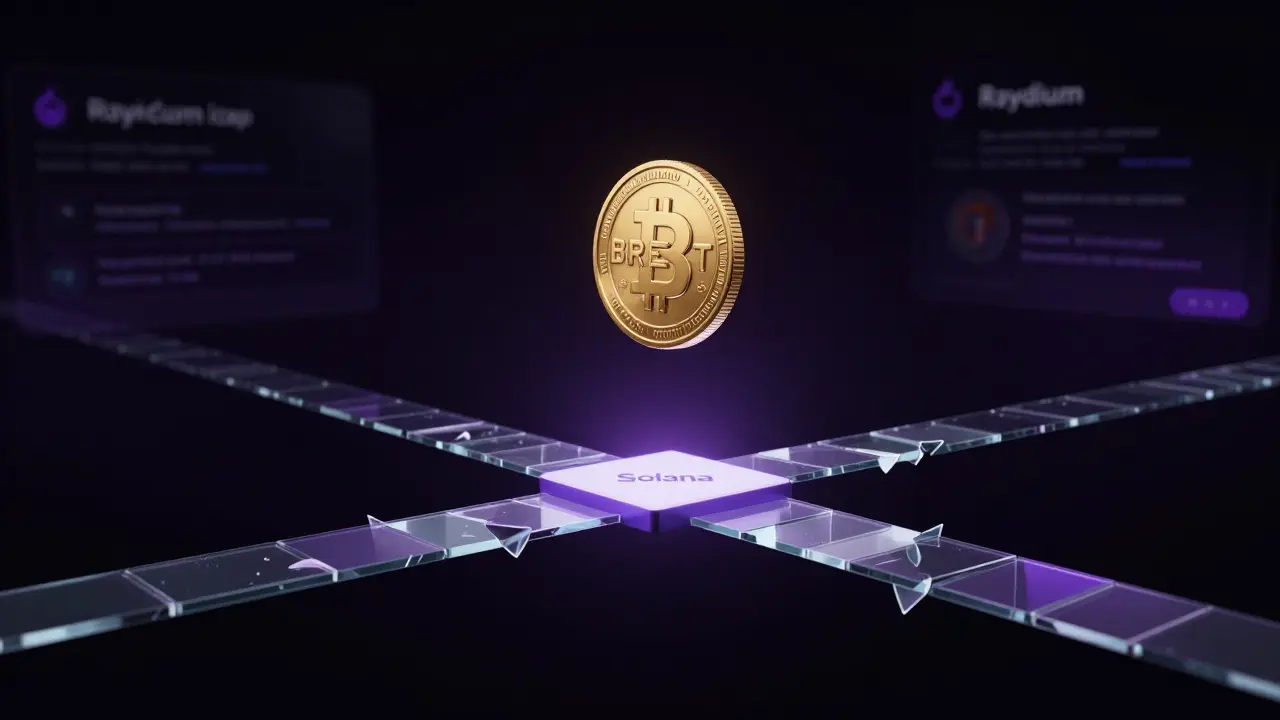
Unlike Brett (Based), which you can buy directly on centralized platforms like Kraken with a credit card, Brett (SOL) requires you to navigate the DeFi landscape. You cannot simply click "Buy" on Binance’s main spot market. Instead, you must use a Web3 wallet, acquire Solana (SOL) for gas fees, and swap it for BRETT on a DEX like Raydium or Jupiter. This barrier to entry filters out casual investors, leaving mostly degens and early adopters in the pool.
How to Buy Brett (SOL) Safely
If you’ve decided that the high-risk, high-reward nature of Brett (SOL) appeals to you, here is the step-by-step process to acquire it. Note that this involves interacting with smart contracts, so precision is key.
- Set Up a Solana-Compatible Wallet: Use a reputable non-custodial wallet like Phantom, Solflare, or the Binance Web3 Wallet. Ensure you have backed up your seed phrase offline. Never share this phrase with anyone.
- Fund Your Wallet with SOL: Buy Solana (SOL) on a centralized exchange like Coinbase or Binance, then withdraw it to your wallet address. Keep some extra SOL for transaction fees (gas).
- Connect to a Decentralized Exchange (DEX): Go to a Solana-based DEX such as Raydium, Jupiter, or Orca. Connect your wallet using the browser extension or mobile app integration.
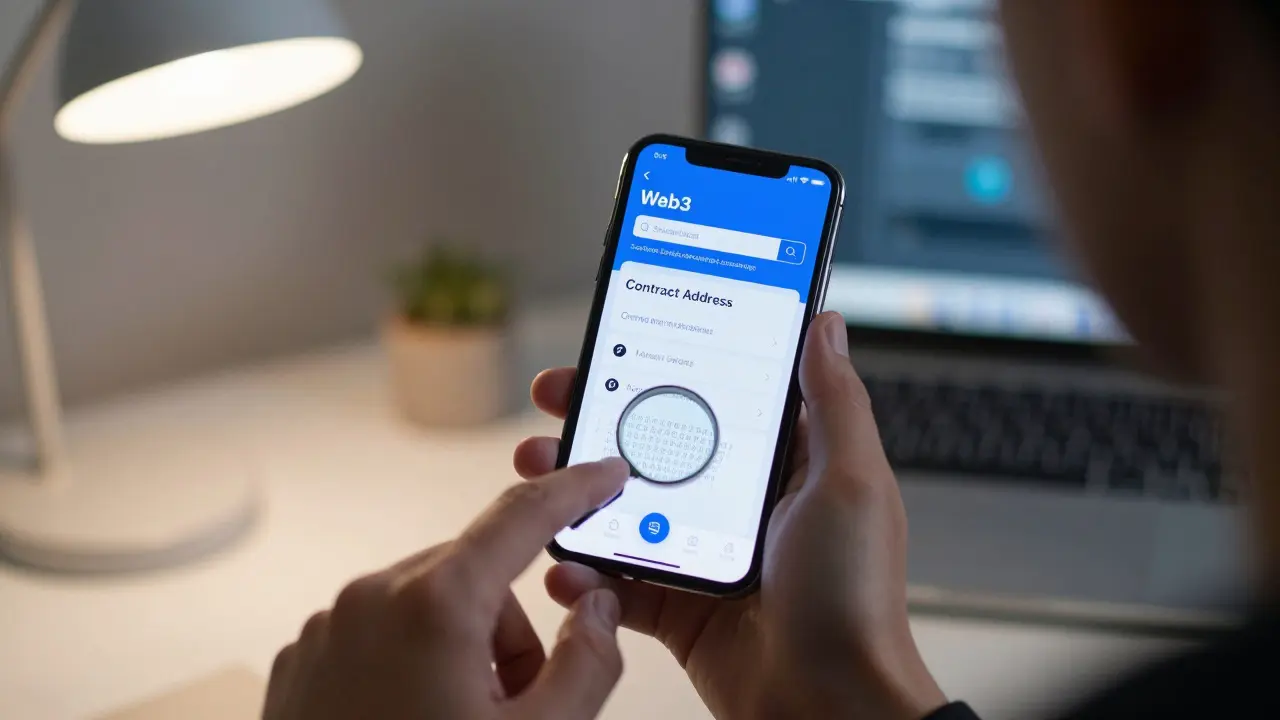
- Find the Correct Token Contract: This is the most critical step. Paste the official contract address for Brett (SOL) into the search bar. Do not rely on the name alone, as scammers often create fake tokens with similar names. Verify the contract address against trusted aggregators like CoinMarketCap or CoinGecko.
- Execute the Swap: Select the amount of SOL you wish to trade for BRETT. Adjust the slippage tolerance if necessary (though high slippage settings can indicate extreme volatility). Confirm the transaction in your wallet.
Once the transaction confirms, the BRETT tokens will appear in your wallet. Remember, you now hold a highly speculative asset. There is no underlying utility, staking rewards, or governance rights attached to Brett (SOL). Its value is derived solely from community sentiment and trading activity.
Community Sentiment and Social Metrics
Meme coins live and die by their communities. For Brett (SOL), the social footprint is modest but present. Data from social analytics tools integrated into platforms like Coinbase shows that Brett (SOL) occasionally ranks in the top 100 for social mentions among all cryptocurrencies, despite its tiny market cap. In one snapshot, over 1,300 unique individuals were discussing the token within a 24-hour period, with an average sentiment score indicating moderate positivity.
However, this buzz is fleeting. The same data showed zero news articles covering the token in that same window. This suggests that the interest is driven by grassroots chatter and retail speculation rather than fundamental developments or institutional adoption. Without a roadmap, whitepaper, or identifiable development team, Brett (SOL) relies entirely on viral moments to sustain its price. When the hype dies, the liquidity dries up, and the price often follows suit.
Is Brett (SOL) a Good Investment?
Let’s be direct: Brett (SOL) is not an investment in the traditional sense. It is a speculative instrument. Analysts who cover the broader Brett brand note that meme tokens often experience sharp drawdowns, with historical monthly declines averaging around 22% during bearish phases. Given that Brett (SOL) has significantly less liquidity and visibility than its Base-chain counterpart, it is likely exposed to even greater volatility.
You should only allocate funds to Brett (SOL) if you are prepared to lose them entirely. Treat it like buying a lottery ticket rather than putting money into a savings account. The potential upside exists-if the Solana meme coin sector heats up and Brett (SOL) catches a wave of attention-but the downside risk is severe due to illiquidity and lack of utility.
Always do your own research (DYOR). Check the current liquidity depth on DEXs, monitor the number of holders for signs of concentration, and verify that the contract hasn’t been rug-pulled. In the world of micro-cap meme coins, caution is your best defense.
What is the difference between Brett (SOL) and Brett (Based)?
Brett (SOL) is a meme token on the Solana blockchain with a market cap under $1 million, while Brett (Based) is a much larger token on the Base blockchain with a market cap over $50 million. They have different contract addresses, different total supplies, and vastly different liquidity profiles. Confusing them can lead to significant financial loss.
Can I buy Brett (SOL) on Coinbase or Binance?
No, Brett (SOL) is not listed for direct trading on the centralized spot markets of Coinbase or Binance. You can track its price on these platforms, but to buy it, you must use a Web3 wallet and swap for it on a Solana-based decentralized exchange (DEX) like Raydium or Jupiter.
Who created Brett (SOL)?
The creators of Brett (SOL) are anonymous. Unlike many established crypto projects, there is no public whitepaper, named development team, or corporate entity behind this token. It operates as a community-driven meme coin, typical of the Solana meme ecosystem.
Is Brett (SOL) a safe investment?
Brett (SOL) is considered extremely high-risk. It has low liquidity, no underlying utility, and high volatility. Prices can swing wildly based on social media trends. You should only invest money you can afford to lose completely.
What is the total supply of Brett (SOL)?
The total supply of Brett (SOL) is approximately 999.99 million tokens. According to current data, nearly the entire supply is already in circulation, meaning there are no planned future token unlocks from developers or investors.