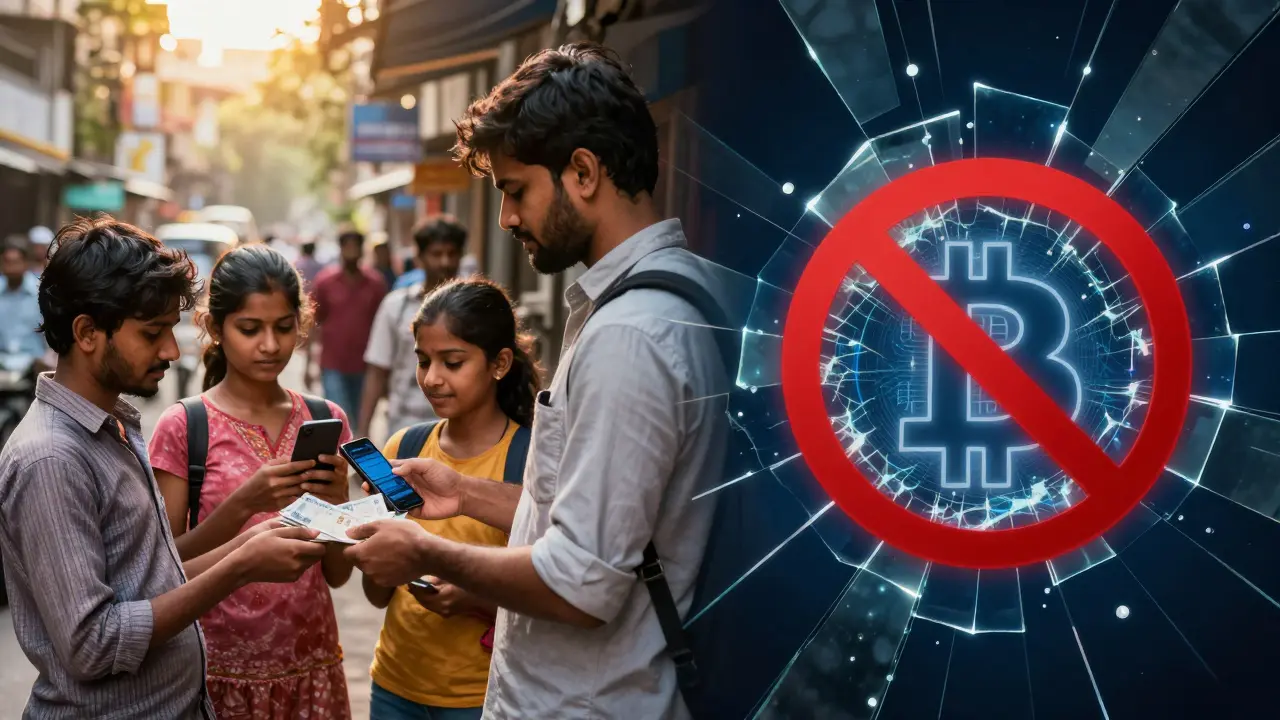
Imagine sending money home to your family in Dhaka. You want it there fast, cheap, and safe. For millions of Bangladeshi expats, this is a daily reality. But here is the twist: while remittance flows into Bangladesh hit a record-breaking $30 billion in fiscal year 2025, trying to send that same money via Bitcoin or Ethereum is illegal. In fact, it could cost you your bank account.
This creates a fascinating paradox. Bangladesh has become a powerhouse for traditional remittances, outperforming its neighbors and strengthening its economy significantly. Yet, it remains one of the strictest enforcers against cryptocurrency usage for these transfers. Why does this happen? What are the real costs for families on both sides of the border? And is there any light at the end of the tunnel for digital currency users?
The Remittance Boom: A Record-Breaking Year
To understand why the government is so protective of its current system, you have to look at the numbers. They are staggering. In fiscal year 2024-25, Bangladesh received a record $30 billion in remittances. That is a 27 percent jump from the previous year. To put that in perspective, this amount actually surpassed the country’s ready-made garment exports, which sat at $29.4 billion. For the first time in history, money sent by workers abroad became the largest source of foreign income for the nation.
The momentum didn’t stop there. March 2025 alone saw $3.29 billion flow in-a 64.7 percent increase compared to March 2024. Even as we move into late 2025 and early 2026, the trend holds strong. The first quarter of FY2025-26 brought in $7.59 billion. This surge isn’t just random luck; it’s the result of deliberate policy shifts by the central bank.
Bangladesh Bank, the country's central authority, attributes this success to three main moves:
- Market-driven exchange rates: Instead of fixing rates artificially, they allowed them to float, making it more attractive for banks to process incoming dollars.
- Cracking down on informal channels: Strict oversight dismantled many underground networks.
- Digital expansion: Massive growth in agent banking and mobile financial services made receiving money easier than ever.
This influx has been a lifeline for the national economy. Gross foreign currency reserves rose to $25.63 billion, helping to stabilize a balance of payments that had previously posted a $4.3 billion deficit. Now, thanks largely to these remittances, the country posts a surplus. For a developing economy, that stability is priceless.
The Iron Fist: Why Crypto Is Banned
If the traditional system is working so well, why would anyone even think about using crypto? Usually, people turn to Bitcoin or stablecoins like USDT when traditional fees are too high or speeds are too slow. But in Bangladesh, that door is firmly locked.
Bangladesh Bank has maintained a strict prohibition on private cryptocurrencies since 2017. This ban falls under Section 33 of the Foreign Exchange Regulation Act 1947. It’s not a gray area; it’s a hard line. In September 2025, Deputy Governor Mr. Ahmed Munas made it clear during a press conference: "Cryptocurrencies pose unacceptable risks to monetary sovereignty and financial stability, making their prohibition necessary for now."
Let’s break down what that means for you. If you try to use a platform like Binance or Coinbase to send funds to a relative in Chittagong, you aren’t just breaking a minor rule. You are risking criminal prosecution. On September 15, 2025, the central bank issued Warning Notice No. BB/CC/2025/17. This notice explicitly forbids any entity from facilitating cryptocurrency transactions for remittance purposes. The penalty? License revocation for businesses and potential jail time for individuals involved.
Why such hostility? The central bank fears two things. First, loss of control over the money supply (monetary sovereignty). If everyone uses Bitcoin, the central bank can’t manage inflation or interest rates effectively. Second, financial stability. Crypto markets are volatile. If a large portion of the population’s savings were tied up in crashing assets, it could destabilize the entire economy. While neighboring countries like India and Pakistan have started exploring regulated frameworks, Bangladesh prefers to keep its hands tightly on the wheel.
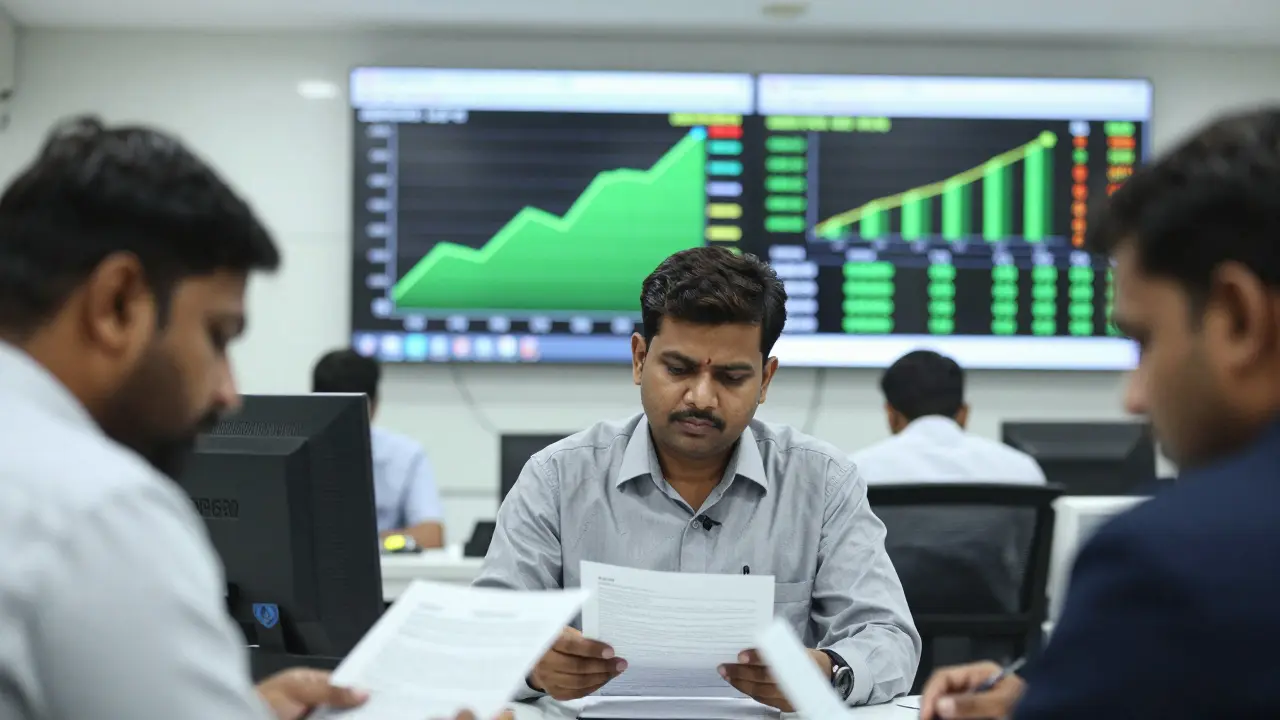
Hundi vs. Formal Channels: The Shift
Before the recent crackdowns, a significant portion of remittances flowed through hundi. This is an informal, traditional cross-border transaction system. Think of it as an underground ledger. Money stays in one country, and equivalent value is paid out in another, often with better exchange rates and lower fees than banks offer. However, it’s unregulated, risky, and fuels money laundering.
Here is where the story gets interesting. A Bangladesh Bank official noted that hundi activity declined substantially in 2025. They attribute this partly to political transitions and partly to the aggressive push toward formal channels. As hundi networks shrank, those funds didn’t disappear-they moved into official banking channels. This redirection contributed heavily to the $30 billion record.
But is the shift permanent? Experts are divided. Dr. Khondoker Muzammel Huq, former chairman of Bangladesh Bank, praised the growth as a testament to effective policy. However, Dr. Ahsan H. Mansur warned that some of this surge might be temporary, driven by global labor market conditions rather than deep structural changes. If the convenience gap between formal banks and informal methods closes completely, the formal numbers will hold. If not, hundi might creep back in.
User Experience: Fees, Speed, and Frustration
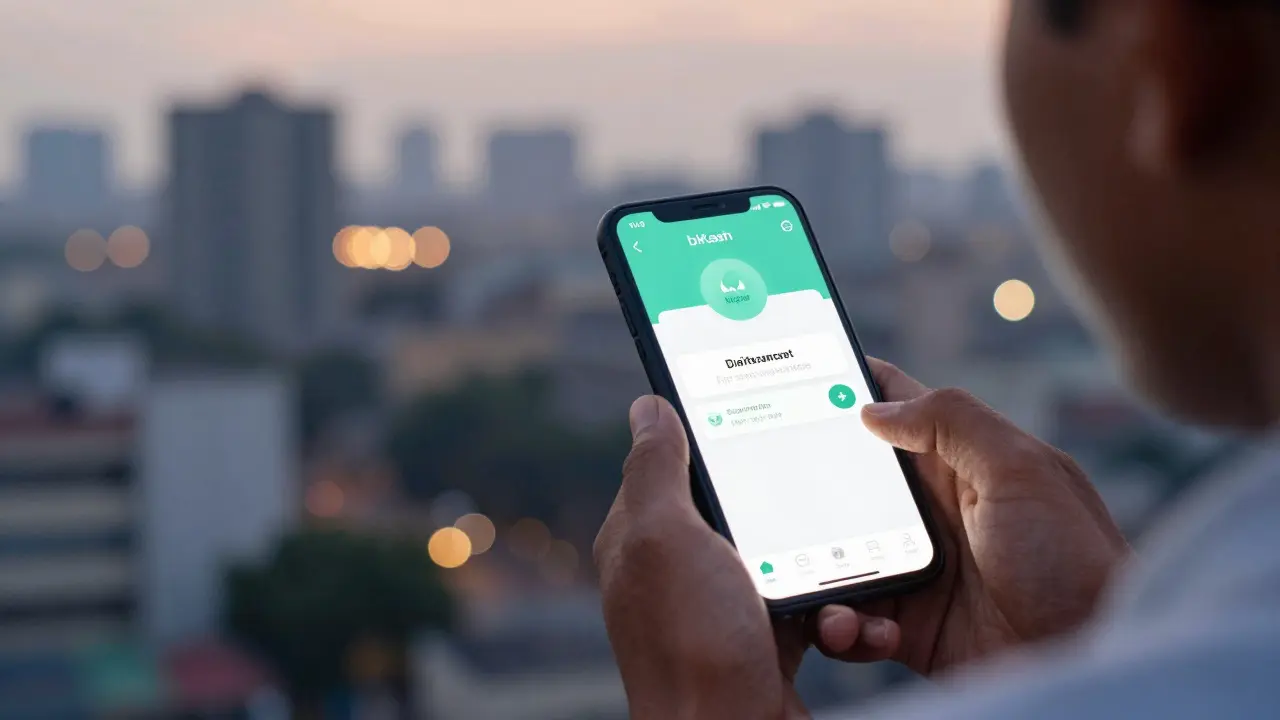
So, if crypto is off the table and hundi is risky, how do regular people actually send money? The answer lies in mobile financial services (MFS) and traditional banks. Apps like bKash and Nagad are dominant mobile payment platforms in Bangladesh have become the backbone of this ecosystem.
Let’s look at the real-world experience. On Reddit, user 'DhakaDave1987' reported in October 2025 that his brother’s remittance from the UAE arrived in just 12 hours using bKash. That is incredibly fast. bKash maintains a 4.2/5 rating on Google Play, showing general satisfaction. The central bank’s new "Remittance Direct" app, launched in August 2025, has also processed $1.2 billion with average fees of 3.8 percent-below the market average of 5.2 percent.
However, it’s not all smooth sailing. Another user, 'SylhetiAbroad', complained about still paying 7% fees for UK remittances despite official rates being lower. There is a persistent pain point: inconsistent exchange rates between different banks. A mystery shopping exercise by Bangladesh Bank in July 2025 found an average discrepancy of 1.2 percent between institutions. That sounds small, but on a $1,000 transfer, that’s $12 lost instantly.
Furthermore, transaction costs remain high globally. World Bank data from 2024 shows the average cost to send $200 to Bangladesh is 6.5 percent. This is far above the Sustainable Development Goal target of 3 percent. For a migrant worker earning minimum wage in construction or caregiving, losing nearly 7 cents of every dollar hurts deeply.
| Channel Type | Average Fee | Processing Time | Legal Status | Risk Level |
|---|---|---|---|---|
| Mobile Financial Services (bKash/Nagad) | 3.8% - 5.2% | Minutes to Hours | Fully Legal | Low |
| Traditional Bank Transfer | 5% - 7% | 1-3 Days | Fully Legal | Low |
| Hundi (Informal) | Variable (Often Lower) | Immediate | Illegal/Unregulated | High |
| Cryptocurrency (USDT/BTC) | 1% - 3% | Minutes | Strictly Prohibited | Very High (Legal Penalty) |
The Future: Digital Payments Without Crypto
Does this mean crypto will never play a role? Not necessarily, but not in the way you might think. Bangladesh Bank is looking into Central Bank Digital Currencies (CBDCs). Unlike Bitcoin, a CBDC is digital fiat money controlled by the government. It offers the speed and efficiency of blockchain technology without the volatility or lack of regulation.
In October 2024, the Bangladesh Bank governor acknowledged examining international developments in CBDCs. The goal is to modernize the payment infrastructure while keeping tight control. Additionally, there are plans to integrate with India’s Unified Payments Interface (UPI) system by Q2 2026. This would streamline remittances for the 1.2 million Bangladeshi workers in India, potentially reducing friction and costs further.
The Asian Development Bank projects 15-18 percent remittance growth for FY2026. The central bank aims for 95 percent digital remittance processing by FY2026-27. But make no mistake: private cryptocurrencies remain explicitly excluded from this roadmap. The message from Dhaka is clear: we want digital efficiency, but we will not surrender regulatory control.
Practical Tips for Sending Money to Bangladesh
If you are planning to send money to family in Bangladesh, here is what you need to know to avoid pitfalls:
- Stick to Licensed Providers: Use authorized money transfer operators like Western Union, MoneyGram, or direct bank transfers. Avoid peer-to-peer crypto swaps.
- Compare Exchange Rates: Don’t just look at the fee. Look at the exchange rate offered. A low fee with a bad exchange rate costs you more. Check multiple banks or MFS apps before sending.
- Use Mobile Wallets: If your recipient has a bKash or Nagad account, sending directly to their mobile number is often faster and cheaper than cash pickup.
- Avoid Hundi: Even if a friend offers a "better deal" through informal channels, the risk of fraud or legal trouble is not worth it. The recent crackdowns mean enforcement is tighter than ever.
- Watch for Documentation: Ensure your recipient has their National ID linked to their bank or mobile wallet. About 18 percent of rural recipients face barriers due to missing documentation.
The landscape is changing rapidly. With the introduction of the Real-Time Gross Settlement system expansion in September 2025, 85 percent of transactions now take under 4 hours. The days of waiting weeks for money to arrive are largely over, provided you stay within the legal boundaries set by Bangladesh Bank.
Is it illegal to own cryptocurrency in Bangladesh?
Yes. Since 2017, Bangladesh Bank has prohibited the buying, selling, and trading of cryptocurrencies. While owning a small amount might not always lead to immediate arrest, using it for transactions, especially remittances, carries severe penalties including license revocation for businesses and criminal prosecution for individuals.
What is the cheapest way to send money to Bangladesh?
Currently, using the Bangladesh Bank's "Remittance Direct" app or major mobile financial services like bKash and Nagad offers some of the lowest fees, averaging around 3.8%. Traditional banks often charge higher fees (5-7%). Always compare the total cost, including the exchange rate margin, not just the flat fee.
Why did remittances to Bangladesh increase so much in 2025?
The surge to $30 billion was driven by market-driven exchange rates, a crackdown on informal hundi networks forcing funds into official channels, and expanded digital accessibility through mobile financial services. Political transitions also played a role in redirecting flows to formal banking systems.
Will Bangladesh legalize Bitcoin or Ethereum in the future?
It is unlikely in the near future. Bangladesh Bank officials have stated unequivocally that private cryptocurrencies pose risks to monetary sovereignty. The focus is instead on developing a Central Bank Digital Currency (CBDC) and integrating with regional systems like India's UPI, which offer digital efficiency without regulatory loss.
How long does it take for money to reach Bangladesh?
With the new Real-Time Gross Settlement system, 85% of transactions now take under 4 hours. Mobile financial services like bKash can often credit funds within minutes. Traditional bank transfers may still take 1-3 days depending on the originating country and intermediary banks.