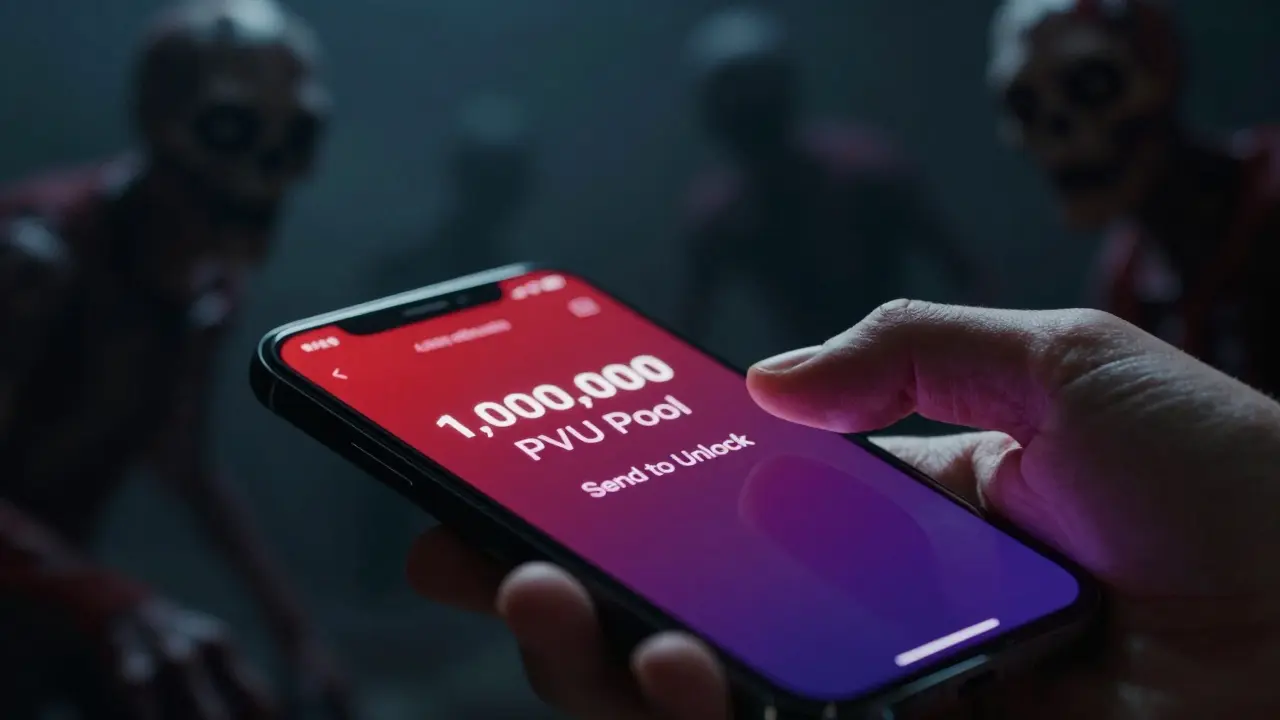
You see a post about a massive Plant vs Undead airdrop. It promises thousands of tokens for just sending a small amount first. The title mentions "BSC MVB III" and sounds official. Before you click that link or send your wallet funds, stop. There is no verified evidence that this specific event exists. In fact, the details match a known scam pattern used to steal crypto from unsuspecting players.
Scams in the play-to-earn space are getting smarter. They use real project names like Plant vs Undead (PVU) and mix them with terms that sound technical, like "MVB" or "BSC events." This article breaks down exactly what is happening, why you should be skeptical, and how to spot these traps before losing your assets.
What Is the "BSC MVB III" Claim?
To understand the risk, we need to look at the words being used. "BSC" stands for Binance Smart Chain, which is a blockchain network that enables smart contracts and decentralized applications with low transaction fees. It is the home of many play-to-earn games, including PVU.
"MVB" usually refers to Most Valuable Builder, which is a Binance ecosystem program recognizing top developers and projects within the BNB Chain community. However, there is no public record of an "MVB III" tier specifically tied to a Plant vs Undead airdrop. Official MVB announcements come directly from Binance or the project's verified social channels, not through random Telegram groups or unverified websites.
The claim suggests that by participating in this "event," you get free tokens. But here is the catch: legitimate airdrops never ask you to send money first. If a source asks you to transfer PVU or BNB to a specific address to "unlock" your reward, it is a scam. Period.
The Plant vs Undead Project Reality
Plant vs Undead is a blockchain-based farming game where players grow NFT plants to earn Light Energy (LE) and PVU tokens. The game has been active since 2021. It operates on a cycle system, with recent updates mentioning "Year 36" and "Year 37" gameplay periods. The project uses the BEP20 token standard on the BNB Chain (formerly BSC).
While the game is real, its market performance has struggled. As of early 2026, the PVU token trades at less than one cent ($0.0009). The total supply is 300 million tokens, but only about 12% are in circulation. The trading volume is low, often under $30,000 per day. This lack of liquidity means that even if you did receive a large number of tokens, selling them could be difficult without crashing the price further.
The game mechanics involve buying NFT plants, watering them, and harvesting Light Energy. Players then swap LE for PVU. It is a slow, grind-heavy process. It is not a quick way to make money, and certainly not a place where "free" tokens appear out of thin air via mysterious events.
How the Scam Works
Let’s look at the specific trap associated with these fake airdrop claims. The scheme usually follows a simple script:
- The Hook: You see a post claiming a "1,000,000 PVU Pool" is available for users who reach certain milestones or join a specific group.
- The Action: You are told to send between 200 and 3,000 PVU tokens to a provided wallet address. The promise is that you will receive 20x to 100x that amount back instantly.
- The Result: You send your tokens. The address receives them. Nothing comes back. Your funds are gone.
This is not a bug; it is the feature of the scam. The wallet address provided (often something like 0xc0c3465Fdc5aD466b807dddE629C3C20224007Be) belongs to the scammer. Once you approve the transaction, they drain your wallet. Sometimes, instead of asking for a direct transfer, they ask you to connect your wallet to a malicious site. This gives them permission to take all your assets, not just PVU.
Fan wikis and unofficial forums often host these links because they are easy to update and hard to moderate. Never trust information that does not come from the official Plant vs Undead Telegram announcement channel or their verified website.
Red Flags to Watch For
If you are navigating the world of crypto gaming, you need to develop a radar for danger. Here are the specific signs that an "airdrop" is fake:
- Pay-to-Get-Paid: Legitimate airdrops are free. If you have to send tokens to receive tokens, it is a scam.
- Urgency: Phrases like "Claim ends in 2 hours" or "Limited spots left" are designed to make you act without thinking.
- Unofficial Sources: Links coming from Discord DMs, random Twitter comments, or non-verified websites are high-risk.
- Grammar and Tone: Official announcements are professional. Scams often have poor grammar, excessive emojis, or overly enthusiastic language.
- Unknown Wallet Addresses: Never send funds to a personal wallet address unless you know the person behind it. Official treasury wallets are publicly documented and verified.
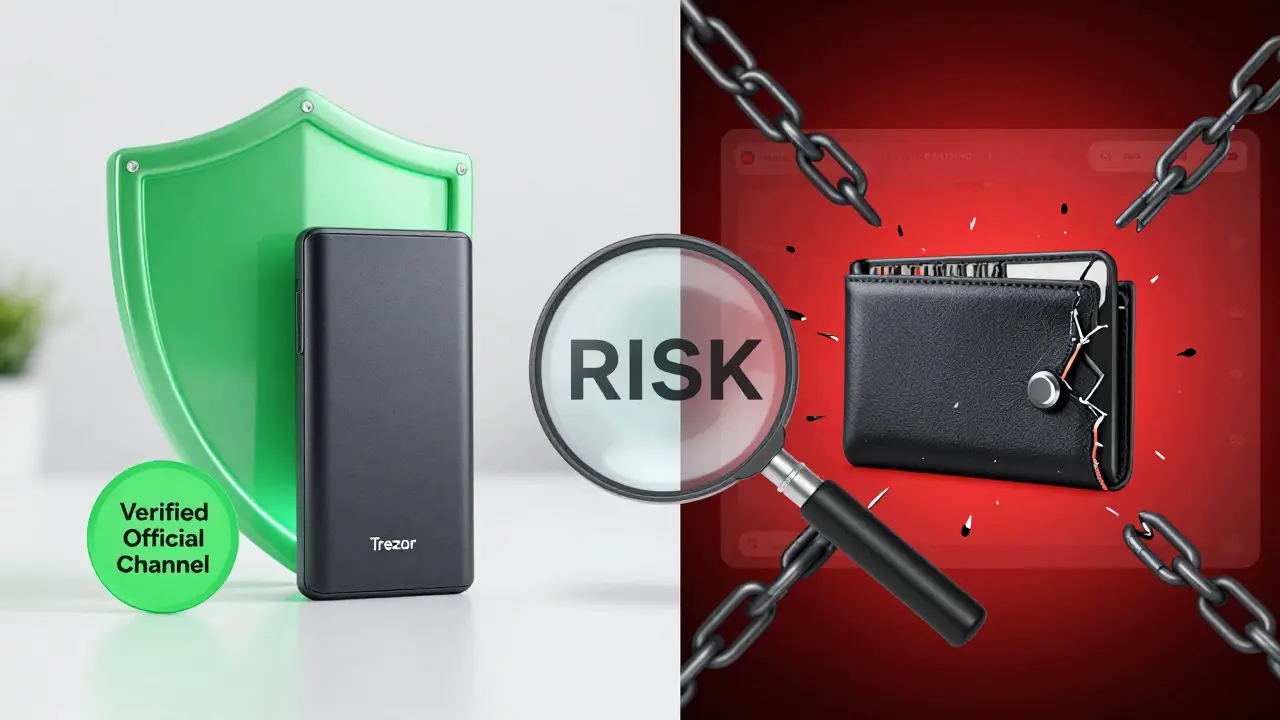
Verifying Legitimate PVU Updates
So, how do you stay updated on real events? The Plant vs Undead team communicates primarily through their official Telegram channel. They announce game cycles, maintenance windows, and legitimate partnerships there. If an event is real, it will be posted there first.
You can also check major data aggregators like CoinMarketCap or CoinGecko. These platforms list verified projects and often highlight security alerts. If a new token contract or suspicious activity is detected, these sites may flag it. Always cross-reference any "big news" with at least two independent, reputable sources.
Remember, the PVU team has a track record of regular updates regarding game years and farming seasons. They do not typically run high-yield financial schemes disguised as airdrops. Their focus remains on the gameplay loop of planting, growing, and harvesting.
Protecting Your Crypto Assets
Security is your responsibility. Here are practical steps to keep your assets safe while playing games like Plant vs Undead:
- Use a Burner Wallet: Do not connect your main wallet, where you store your long-term holdings, to gaming dApps. Use a separate wallet with only the funds you intend to spend on gas fees and in-game purchases.
- Revoke Permissions: After interacting with any smart contract, use tools like Revoke.cash to remove approval permissions. This prevents compromised contracts from draining your wallet later.
- Enable Hardware Security: If you hold significant value, move your keys to a hardware wallet like Ledger or Trezor. These devices keep your private keys offline.
- Ignore DMs: Support teams will never message you first on Telegram or Discord. If someone claims to be support, block them immediately.
The crypto space moves fast, but scams move faster. By slowing down and verifying, you protect yourself from losing months of earnings in seconds.
Is the Plant vs Undead BSC MVB III airdrop real?
No. There is no official documentation or announcement from Plant vs Undead or Binance confirming an "MVB III" airdrop. Claims related to this name are likely scams designed to steal your tokens.
Why do scammers use the term "MVB"?
Scammers use terms like "Most Valuable Builder" (MVB) to sound credible and official. Since MVB is a real Binance program, adding it to a fake event makes it seem more legitimate to inexperienced users.
Can I lose my entire wallet balance in a fake airdrop?
Yes. If you connect your wallet to a malicious site or approve a malicious contract, the scammer can drain all compatible tokens from your wallet, not just the ones mentioned in the scam.
Where should I check for official PVU updates?
Always check the official Plant vs Undead Telegram announcement channel and their verified website. Avoid relying on fan wikis, Discord DMs, or unsolicited messages.
What is the current status of the PVU token?
As of 2026, the PVU token trades at a very low price (under $0.001) with low trading volume. The project continues to operate with regular game cycles, but it has faced significant market challenges since its earlier peaks.