
So, you want to operate a crypto exchange in Pakistan? It’s not as simple as just setting up a server and opening for business. As of late 2025 and into 2026, the landscape has shifted dramatically from a total ban to a tightly regulated gateway. The Pakistan Virtual Asset Regulatory Authority (PVARA) is now the gatekeeper, and if you’re a Virtual Asset Service Provider (VASP), you need to know exactly how to get through the door.
Here is the reality check: You cannot just apply with a handshake and a good idea. PVARA demands that you are already licensed by a top-tier international regulator like the US SEC, UK FCA, or Singapore’s MAS. This isn’t a beginner’s market; it’s a vetted arena for established players who can prove they won’t let money laundering slide under the rug. If you’re ready to navigate this complex web of compliance, let’s break down exactly what you need to do.
The Rise of PVARA and Why It Matters
Pakistan used to be a grey zone for crypto-technically illegal for banks but widely used by people on the ground. That changed when the government passed the Virtual Assets Ordinance 2025. This law created PVARA as an independent federal regulator. Before this, we had the State Bank of Pakistan (SBP) saying "no," while tech enthusiasts said "yes." Now, PVARA sits in the middle, trying to balance innovation with strict financial controls.
Why does this matter to you? Because PVARA operates under global standards set by the Financial Action Task Force (FATF). They aren’t making rules up as they go along; they are aligning with the IMF and World Bank expectations. This means if you want to list your exchange in Pakistan, you have to play by the same rigorous AML (Anti-Money Laundering) and CFT (Combating the Financing of Terrorism) rules that govern London or New York.
Who Can Actually Apply?
This is the biggest hurdle for most startups. PVARA doesn’t accept applications from new, unproven companies. To submit an Expression of Interest (EoI), your firm must already hold a valid license from a recognized jurisdiction. Think of it as a pre-screening process. If you don’t have a license from one of these bodies, you likely won’t make it past the first round.
| Regulator | Jurisdiction | Key Requirement |
|---|---|---|
| Securities and Exchange Commission (SEC) | United States | Full registration as broker-dealer or ATS |
| Financial Conduct Authority (FCA) | United Kingdom | Registration as a Crypto Asset Firm |
| Monetary Authority of Singapore (MAS) | Singapore | Digital Payment Token service provider license |
| Virtual Assets Regulatory Authority (VARA) | UAE (Dubai) | Full operational license for VASPs |
| European Union Frameworks | EU Member States | Compliance with MiCA (Markets in Crypto-Assets) |
If you are based in a country without such a framework, you might need to establish a subsidiary in one of these hubs first. It adds cost, but it opens the door to a market of over 240 million people who are increasingly hungry for digital financial tools.

The Application Process: Step-by-Step
Once you’ve confirmed you meet the eligibility criteria, you move to the submission phase. PVARA processes these applications on a rolling basis, meaning there is no specific deadline window where everyone applies at once. You can send your documents whenever you are ready.
- Prepare Your Dossier: Gather your company profile, existing licenses, and detailed descriptions of your services (trading, custody, payments).
- Prove Your Tech: Submit details on your technology stack and security standards. How do you store keys? What is your uptime?
- Show Your Numbers: Provide assets under management (AUM) figures and revenue data. They want to see stability.
- Compliance History: Document your track record with KYC (Know Your Customer) checks. Have you ever been fined for AML violations?
- Pakistan-Specific Model: Explain how your business fits into the local economy. Are you focusing on remittances? Tokenization? Retail trading?
All these documents must be compiled into a single PDF file. Send it to PVARA’s designated email address with the subject line formatted strictly as: EoI VASP Licensing [Your Company Name]. Do not deviate from this format. In bureaucratic processes, a wrong subject line can mean your application gets lost in the shuffle.
The Legal Contradiction: PVARA vs. SBP
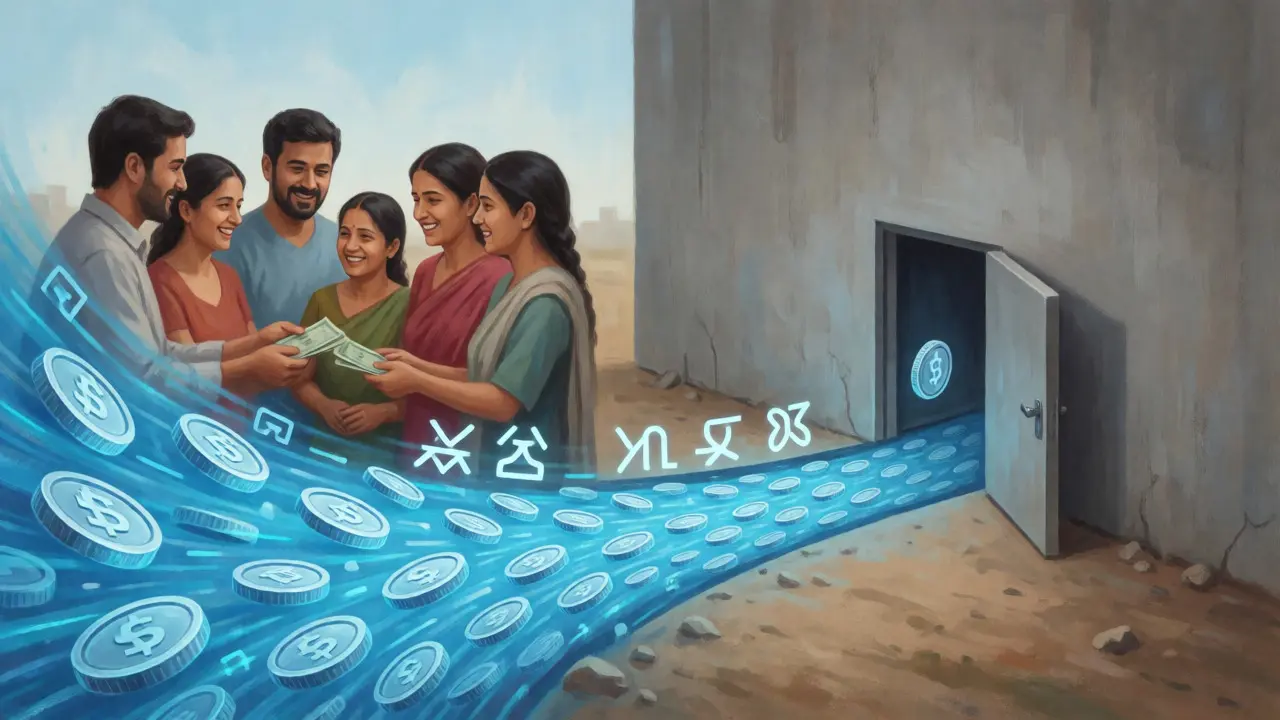
Here is where things get tricky. While PVARA is handing out licenses, the State Bank of Pakistan (SBP) still maintains that cryptocurrency is not legal tender. The central bank prohibits traditional banks from dealing directly in digital currencies. So, you might have a PVARA license to operate your exchange, but you may struggle to open a standard corporate bank account for fiat currency operations.
This creates a paradox. Analysts often point out that different government arms are pulling in opposite directions. PVARA wants to attract fintech investment; the SBP worries about capital flight and monetary policy control. For operators, this means you need robust legal counsel who understands both the virtual asset laws and the banking regulations. You cannot assume that a crypto license automatically grants you full banking access.
Timeline and Costs: What to Expect
Patience is required. Finance Ministry officials have stated that the complete licensing process takes at least three months after submitting a complete EoI. This isn’t a rubber-stamp approval. PVARA conducts thorough due diligence to ensure you aren’t bringing illicit finance risks into the country.
- Submission Phase: Immediate upon document completion.
- Review Period: Minimum 3 months for initial assessment.
- Additional Queries: Variable, depending on complexity of your model.
- License Issuance: After final compliance verification.
There is also a strategic angle here. Pakistan is exploring Shariah-compliant crypto products. If your platform offers Islamic finance-compatible staking or lending features, you might find a niche advantage. PVARA’s regulatory sandboxes are designed to test these innovative models before they hit the broader market.
Strategic Opportunities and Risks
Despite the hurdles, the opportunity is real. Pakistan announced plans for a Strategic Bitcoin Reserve and allocated electricity for mining, though the IMF raised concerns about the fiscal impact of subsidized energy rates. These macro-level moves signal that the government sees long-term value in blockchain infrastructure.
For exchanges, the main draw is the remittance market. Millions of Pakistanis work abroad and send money home. Crypto offers a faster, cheaper alternative to traditional wire transfers. If you can integrate local payment methods (like JazzCash or EasyPaisa) alongside crypto rails, you solve a genuine pain point for users.
However, risk remains high. Regulations can change quickly. The Senate committee recently proposed moving the oversight of crypto from the Finance Ministry to the IT Ministry, which could alter priorities. Keep a close eye on legislative updates. What works today might face new restrictions tomorrow if political winds shift.
Is cryptocurrency legal in Pakistan?
It is complicated. Cryptocurrency is not recognized as legal tender, and the State Bank of Pakistan restricts banks from facilitating crypto transactions. However, holding and trading crypto is not explicitly criminalized for individuals, and PVARA now provides a regulatory framework for licensed businesses to operate legally.
Can a startup apply for a PVARA license?
Generally, no. PVARA requires applicants to already hold a license from a recognized international regulator like the SEC, FCA, or MAS. Startups typically need to secure a license in a major hub first before applying to Pakistan.
How long does the licensing process take?
The minimum timeline is three months after submitting a complete Expression of Interest (EoI). However, this can extend if PVARA requests additional documentation or clarification on your compliance measures.
What documents are required for the EoI?
You need your company profile, proof of existing international licenses, details of your technology and security standards, financial statements (AUM and revenue), and a description of your Pakistan-specific business model.
Does a PVARA license allow me to open a bank account?
Not automatically. Since the State Bank of Pakistan restricts banks from dealing in crypto, securing a fiat banking partner can still be challenging even with a PVARA license. Many exchanges use specialized fintech partners for fiat on-ramps.