
What Exactly is the Mones Campaign?
Before you connect your wallet to any site, you have to understand what you're actually interacting with. The Mones project aims to build a utility-driven ecosystem, using the MONES token as the primary fuel for its internal operations. Unlike some 'meme coins' that rely purely on hype, a legitimate campaign usually ties its rewards to specific user actions. This is often referred to as 'Proof of Contribution.' In a typical airdrop, the team distributes tokens to create a wide base of holders. This prevents a few 'whales' from controlling the entire supply at launch. For the user, this means the airdrop isn't just a gift; it's a way for the project to bootstrap its network effect. If you've been following the project's development on social channels, you've likely seen the buzz building around their mainnet transition.Step-by-Step Guide to Participating
Getting into a campaign like this requires more than just an email address. Most modern airdrops require a compatible Web3 Wallet and a series of on-chain or social tasks. Here is the standard path for claiming these rewards:- Set up a Burner Wallet: Never use your primary savings wallet. Create a new address specifically for the Mones campaign. If the site is compromised, you only lose what you put in the burner, not your entire portfolio.
- Verify Eligibility: Visit the official project dashboard. Most campaigns use a snapshot system where they record who held certain assets or performed certain actions at a specific block height.
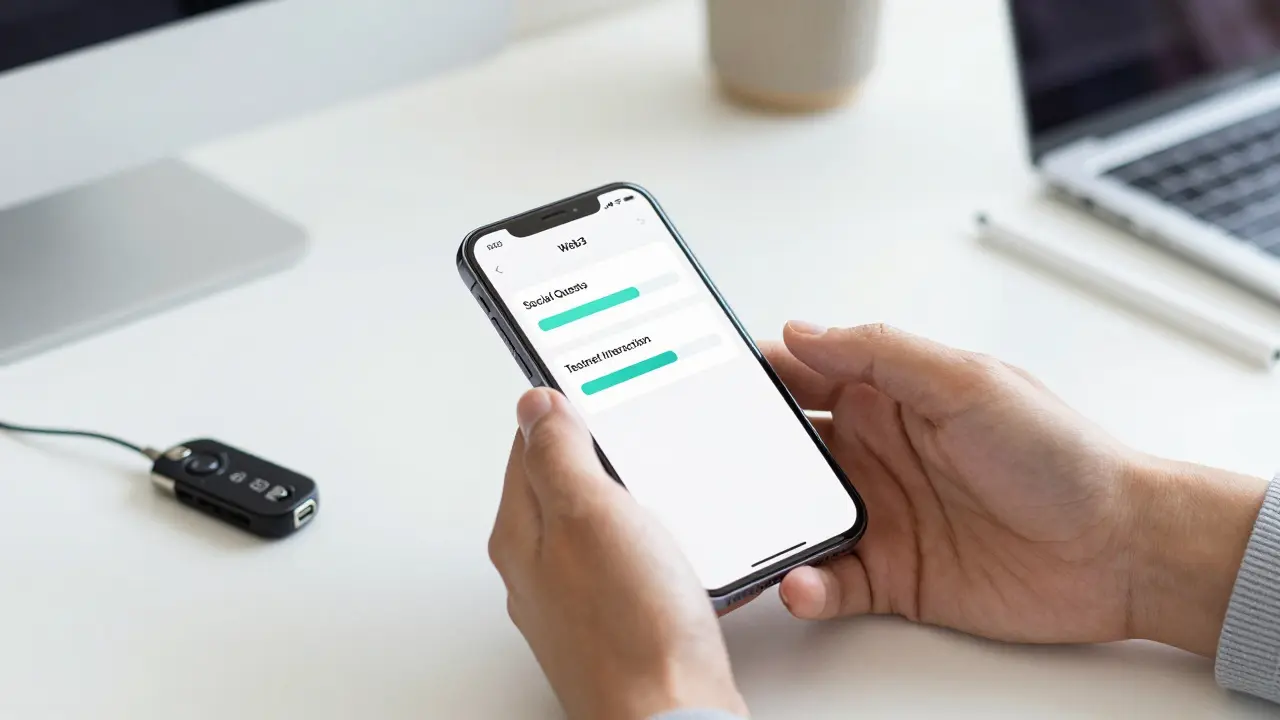
- Complete Social Quests: This usually involves following their accounts on X (formerly Twitter), joining a Discord server, or referring friends. These are 'low-effort' tasks that prove you are a human and not a bot.
- Interact with the Testnet: If Mones is still in a testing phase, you'll likely need to swap tokens or provide liquidity on their test platform. This helps the developers find bugs before the real money is at stake.
- Claim Your Tokens: Once the distribution date arrives, you'll sign a transaction with your wallet to move the tokens from the project's treasury to your address.
Comparing Airdrop Strategies: Passive vs. Active
Not all airdrops are won the same way. Depending on how much time you have, you can choose between a passive approach or an active 'grind.'| Strategy | Effort Level | Typical Requirements | Risk Profile |
|---|---|---|---|
| Passive | Low | Holding a parent token or using a bridge once. | Low (usually just requires wallet holding). |
| Active | High | Daily check-ins, high volume of testnet trades, community moderation. | Medium (more interactions = more smart contract risks). |
Red Flags: How to Spot a Mones Scam
Because the Mones Campaign is generating interest, scammers will inevitably create fake websites and social media profiles to steal your seed phrase. If you see a post saying "Mones Airdrop is LIVE! Claim now!" with a link that looks likemones-claim-rewards.net instead of the official domain, close it immediately.
Here are the non-negotiable rules for staying safe:
- The Seed Phrase Rule: No legitimate project will ever ask for your 12 or 24-word recovery phrase. If a site asks for this to "verify" your wallet, it is a scam. Period.
- The "Gas Fee" Trap: Be wary of sites that ask you to send a small amount of ETH or BNB to "activate" your account before you can claim your tokens. Real airdrops let you pay the gas fee at the moment of the claim transaction, not as a separate payment to a wallet.
- DM Warnings: Project admins will almost never DM you first. If someone claiming to be a "Mones Support Agent" messages you on Telegram, they are trying to drain your wallet.
Maximizing Your Rewards
If you want to move beyond the basic tier of rewards, you need to provide actual value to the project. Projects track metrics that show a user is an asset, not just a bot looking for a quick payout. One effective method is providing detailed feedback on their Testnet. If you find a bug and report it via their official bug bounty program or Discord, you often get bumped into a 'privileged' tier of airdrop recipients. Another tip is to engage in genuine community discussions. Projects often reward those who help onboard new users or create educational content about the ecosystem. Keep an eye on the Tokenomics. If the total supply is massive but the airdrop is only 1%, the individual tokens might not be worth much. However, if the team allocates a significant portion (e.g., 5-10%) to the community, the potential for a meaningful payout is much higher.Is the Mones airdrop guaranteed for everyone?
No. Most airdrops have specific eligibility criteria. You typically need to have interacted with their protocol, held a certain amount of assets, or completed a set of social tasks by a specific deadline (the snapshot date).
How do I know if the Mones project is legit?
Check for a public whitepaper, a transparent team (doxxed), and a roadmap with actual milestones. Look at their GitHub to see if there is active development. If the only "proof" of the project is a series of hype posts on X, proceed with extreme caution.
What happens if I lose my burner wallet?
If you lose the private keys or seed phrase to the wallet used for the airdrop, the tokens are effectively gone. There is no "forgot password" button in decentralized finance. Always back up your keys in a secure, offline location.
When will the MONES tokens be tradable?
Tokens usually become tradable after the TGE (Token Generation Event) and listing on decentralized exchanges like Uniswap or centralized exchanges. Check the official Mones roadmap for the specific listing date.
Can I use a hardware wallet for airdrops?
Yes, and you should for the final claim. However, for the initial "questing" phase, a software burner wallet is more convenient. Once you are ready to claim the final reward, move the claim process to a hardware wallet for maximum security.