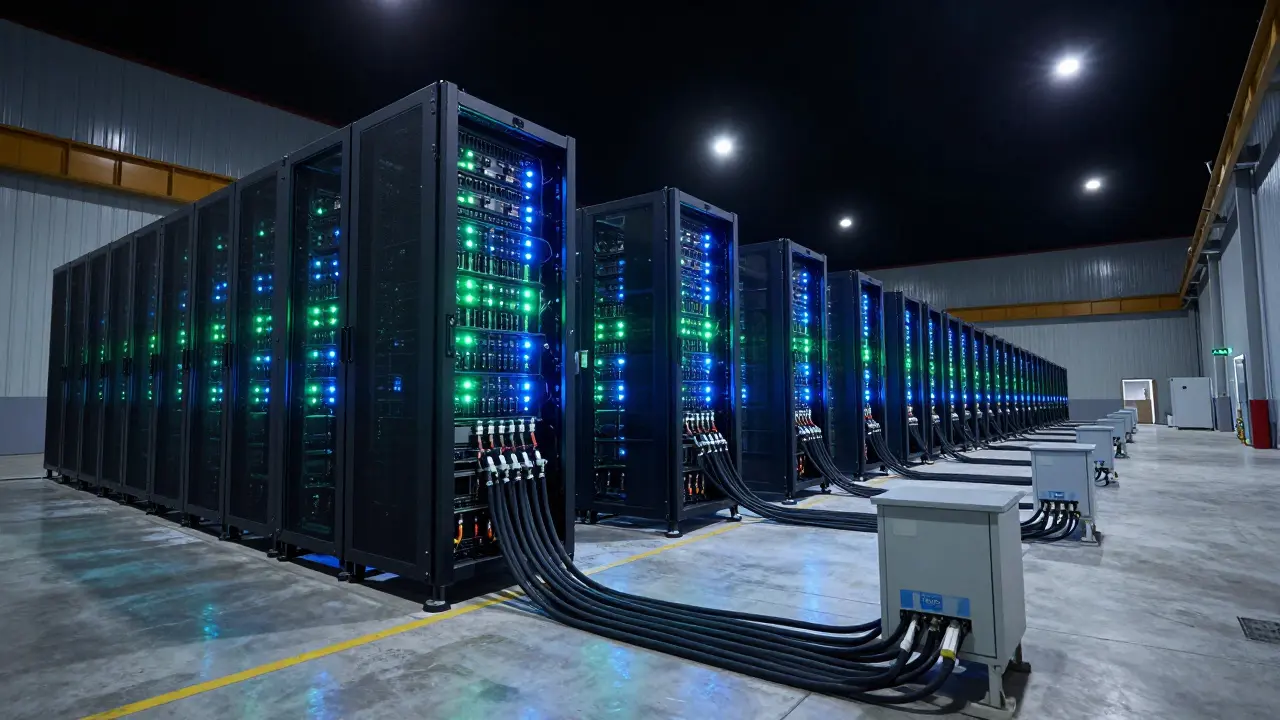
Imagine a country that became the world’s go-to destination for Bitcoin miners after China banned the industry in 2021. That country is Kazakhstan. But what started as an economic boom turned into a grid-straining crisis. Today, if you want to mine cryptocurrency there legally, you don’t just plug in your rigs. You navigate a strict electricity rationing system designed to keep the lights on for hospitals and homes while still allowing the industry to exist.
The situation on the ground is complex. On one hand, the government has built a sophisticated regulatory framework with licenses, state-run power markets, and mandatory asset sales. On the other, massive illegal operations are stealing power worth millions of dollars, diverting energy from essential services. For anyone looking at Kazakhstan for mining operations-or just trying to understand global crypto energy trends-here is exactly how the system works, who it hurts, and where it is heading.
How the State-Controlled Power Market Works
Kazakhstan does not let miners buy electricity freely from any provider. Instead, the Ministry of Energy administers a mandatory state-run electricity marketplace. This is the core of the rationing strategy. The goal is to prevent any single entity from hogging enough power to destabilize the national grid.
Under current rules, mining farms can only purchase electricity directly through this platform. There is a hard cap on transactions: you can buy a maximum of 1 megawatt-hour (MWh) per transaction. If you run a large operation, this means you have to make multiple purchases, creating administrative friction but ensuring no single farm consumes excessive capacity in one go.
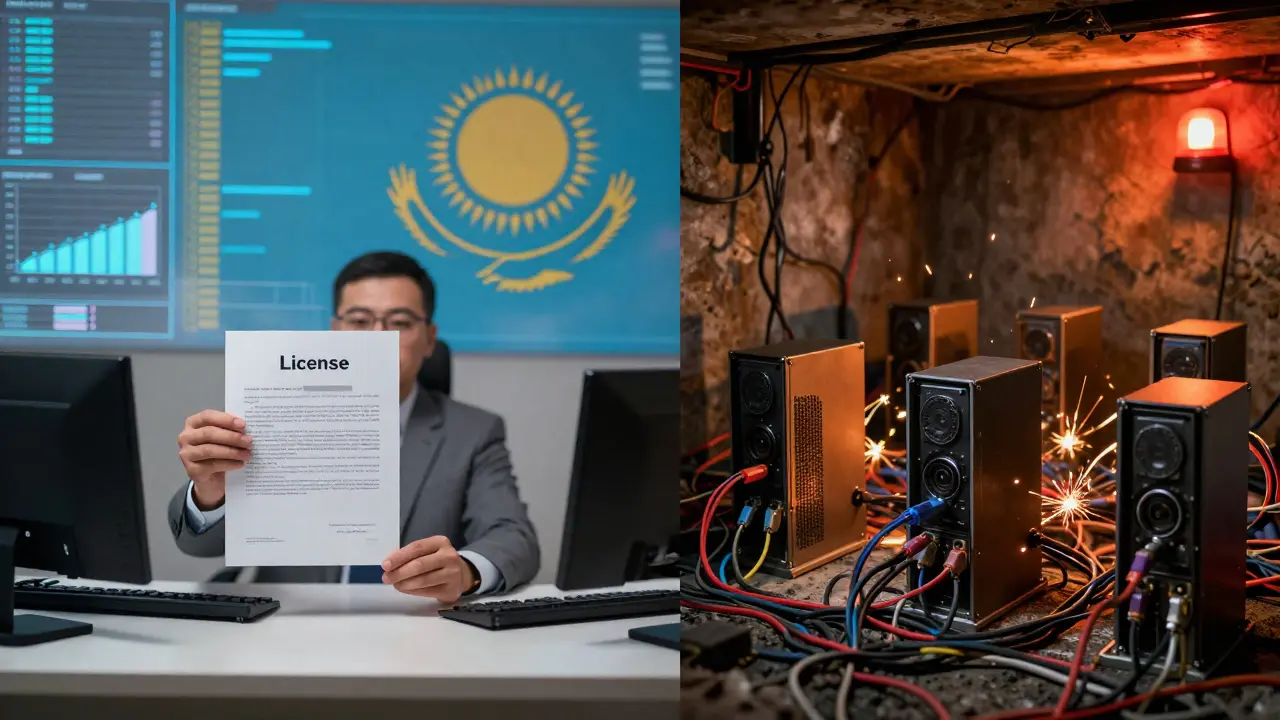
To operate legally, you need more than just power. You need permission. As of 2023, the government issued only 84 licenses to legitimate mining operations. They also accredited five specific mining pools and registered 415,000 mining machines in a central database. This tracking system allows authorities to monitor exactly how much hardware is running and where it is located.
| Metric | Value/Rule | Purpose |
|---|---|---|
| Transaction Cap | 1 MWh per transaction | Prevent grid overload by limiting bulk purchases |
| Licenses Issued | 84 | Limit total number of legal operators |
| Registered Machines | 415,000 | Track hardware inventory for enforcement |
| Tax Rate | 15% | Generate revenue from mining profits |
The Financial Trap: Mandatory Asset Sales
Buying power is only half the battle. Kazakhstan wants to ensure that the cryptocurrency mined within its borders actually flows through its financial system. This is where the Astana International Financial Centre (AIFC) comes in.
In 2024, miners were required to sell 50% of their mined assets on AIFC platforms. By 2025, that requirement jumped to 75%. This is a significant shift. It forces miners to use local regulated exchanges rather than moving funds offshore immediately. For smaller operators, this creates compliance costs and operational complexity. You need specialized accounting to track these sales, submit quarterly reports, and integrate with AIFC technical systems.
Compliance isn't cheap. Industry estimates suggest that navigating this regulatory environment costs medium-sized operations 10-15% of their total expenses. While the government offers helpdesks for license applications, response times can stretch into weeks during peak periods. This bureaucracy favors large, well-capitalized firms that can hire legal teams to manage the paperwork, squeezing out independent miners.
The Dark Side: Illegal Mining and Grid Theft
If the legal system is tight, the illegal market is huge. The most striking example of this occurred in October 2025 in East Kazakhstan Oblast. Authorities uncovered a massive criminal scheme that had been operating for two years.
This wasn't a small garage operation. It consumed over 50 megawatt-hours of electricity. To put that in perspective, that is enough power to support a city of 50,000 to 70,000 residents. The value of the stolen power was approximately 9 billion Kazakhstani tenge, or about $16.5 million.
How did they do it? Corruption inside utility companies. Employees illegally sold electricity meant for residential populations, social facilities, and strategic enterprises to unauthorized mining farms. The proceeds funded luxury assets: two apartments in the capital and four vehicles, all of which were seized by court order.
This case highlights a critical vulnerability. The official rationing system controls legal buyers, but it struggles to stop insiders from diverting power to black-market miners. These illegal operations bypass the 1 MWh caps, the taxes, and the AIFC reporting requirements entirely.
Is It Worth It? The Economic Trade-Offs
Why doesn't Kazakhstan just ban mining completely? Because it brings money. The global cryptocurrency mining market was valued at $2.75 billion in 2025, growing at a compound annual rate of 13.2%. When Chinese miners fled in 2021, Kazakhstan caught a lot of that displaced capacity.
Some analysts, like Tuleushin, argue that miners act as modernization agents. They consume surplus energy during peak generation periods, helping to balance the grid when other demand is low. In theory, this makes the energy infrastructure more efficient.
However, the reality is messier. Global Bitcoin mining now consumes about 0.55% of worldwide electricity demand-roughly 168.3 terawatt-hours by mid-2025. Kazakhstan’s grid is not infinite. When illegal miners steal power from hospitals or schools, the social cost outweighs the economic benefit. The government is trying to walk a fine line: encourage investment without collapsing public services.
Future Outlook: The 70/30 Proposal
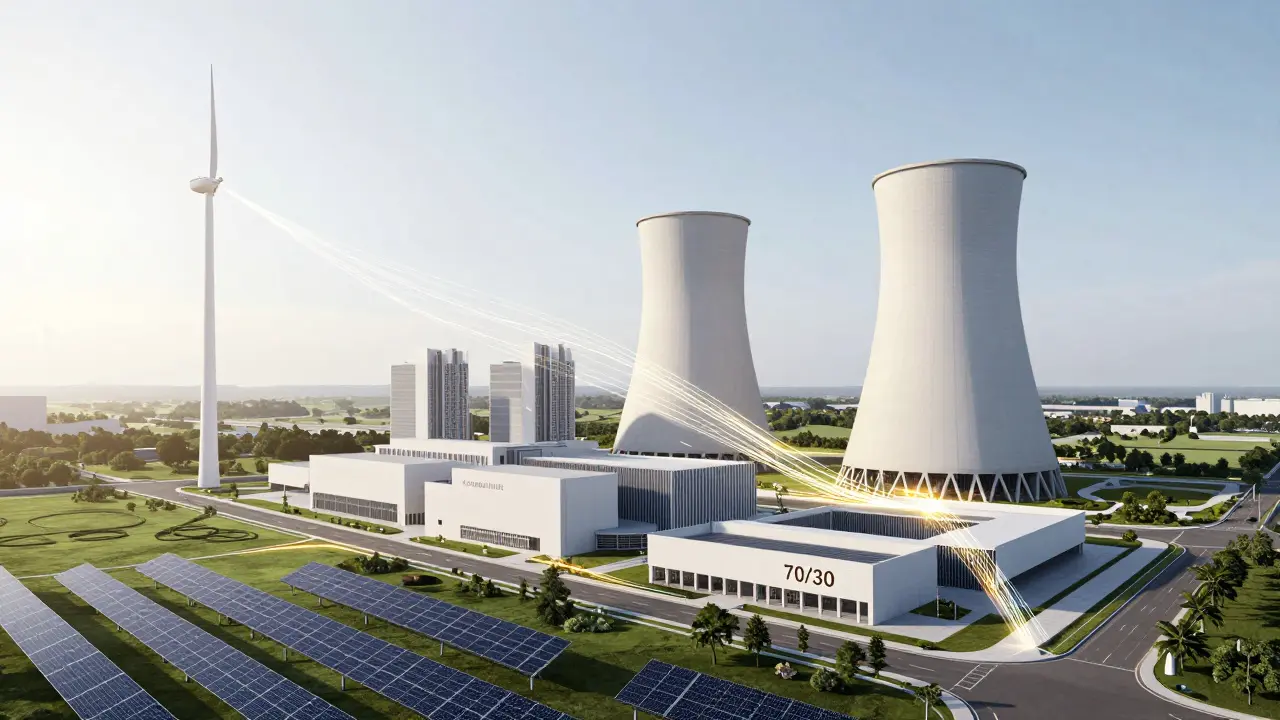
Looking ahead, the rules will likely tighten further. One major proposal gaining traction is the "70/30 energy programme." Under this plan, foreign investors would fund upgrades to thermal power plants. In exchange, 70% of the generated capacity would go to the national grid, while 30% would be reserved specifically for crypto mining.
This approach aims to solve the root problem: lack of capacity. By tying new mining power to new infrastructure investment, the government hopes to expand legitimate mining without straining existing resources. Legislators like Ekaterina Smyshlyaeva are also pushing for greater control over licensed exchanges and potential decriminalization of crypto trading for users on those platforms.
For now, the message to miners is clear: play by the book or get shut down. The era of wild-west mining in Kazakhstan is over. The future belongs to those who can navigate the 1 MWh limits, pay the 15% tax, and sell 75% of their coins on AIFC platforms.
Can I buy electricity directly from a utility company for mining in Kazakhstan?
No. All legal mining farms must purchase electricity through the Ministry of Energy's state-operated marketplace. Direct relationships with utilities are not permitted for mining operations under the current rationing system.
What happens if I exceed the 1 MWh transaction limit?
The system prevents transactions larger than 1 MWh. If you need more power, you must execute multiple separate transactions. Exceeding limits through illegal means can result in license revocation and heavy fines.
Why do I have to sell 75% of my mined crypto on AIFC?
This rule ensures that cryptocurrency activity remains within Kazakhstan's regulated financial system. It helps the government track revenues, collect taxes, and prevent capital flight. The requirement increased from 50% in 2024 to 75% in 2025.
How severe are the penalties for illegal mining?
Penalties are severe. In a recent case, operators stole $16.5 million worth of power. Assets purchased with illicit funds, including apartments and vehicles, were seized. Utility employees involved faced criminal charges for corruption and diversion of strategic resources.
Is it easier for large companies or small miners to comply?
It is significantly easier for large companies. Compliance costs represent 10-15% of operational expenses, requiring specialized legal and accounting expertise. Small operators often struggle with the bureaucratic burden and slow response times from government helpdesks.