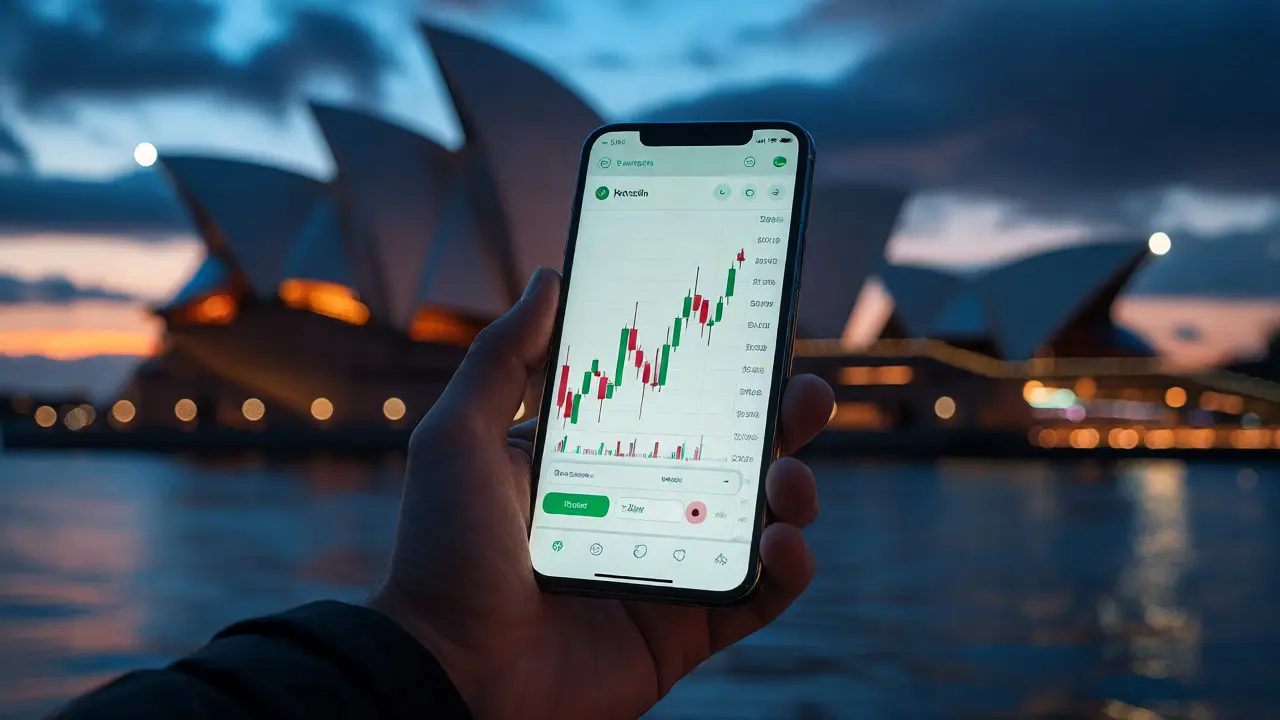
You see the ads. You hear the hype. Hotcoin claims to be a top-tier cryptocurrency exchange with millions of users and billions in daily volume. But when you dig past the marketing fluff, things get murky fast. Some reviews call it a user-friendly gem for beginners. Others scream "scam" and point to blocked accounts and vanished funds. So, who is right? And more importantly, should you trust your hard-earned Bitcoin to this platform?
| Regulation | Claims AUSTRAC license (Australia) |
| Fees | 0.2% flat maker/taker fee |
| Assets | ~496 cryptocurrencies |
| Risk Level | Medium-High (mixed reviews on support) |
| Best For | Beginners wanting simple UIs |
The Big Question: Is Hotcoin Actually Regulated?
This is where most people get tripped up. Hotcoin Global says it’s based in Sydney, Australia, and operated by Hotcoin Global Exchange Pty Ltd. They claim dual licensing from AUSTRAC, the Australian government agency that watches money laundering. On paper, that sounds solid. If they are truly regulated by AUSTRAC, they have to follow strict anti-money laundering laws. That usually means better consumer protection than some random offshore site.
But here’s the catch. While the company claims this status, independent verifiers like CryptoWisser have struggled to confirm these licenses directly. Sometimes, exchanges list a parent company’s license but operate under a different entity that isn’t covered. Or worse, the license might be for foreign exchange services, not specifically for holding customer crypto assets. Until you can see the actual certificate number on the AUSTRAC public register yourself, treat that "regulated" badge with a healthy dose of skepticism. It’s not proof of safety; it’s just a claim.
Fees and Trading Costs: Are They Competitive?
Let’s talk money. Nobody likes hidden costs. Hotcoin charges a flat 0.2% fee for both makers and takers on spot trades. This is simple, which is good if you hate calculating complex tiers. But is it cheap? Not really.
Compare this to giants like Binance or Kraken. They often offer fees as low as 0.1% or less, especially if you hold their native token or trade high volumes. A 0.2% fee adds up quickly if you’re day trading. For a casual buyer holding Bitcoin for years, it’s negligible. For an active trader moving $10,000 a month, you’re losing $20 every single month just to entry and exit fees. Plus, there are withdrawal fees. These vary by coin and network congestion. Some users report that withdrawal fees aren’t always transparent until the final confirmation screen. Always check the current rate before hitting send.
- Spot Fees: 0.2% (Flat)
- Futures Fees: Varies, typically competitive for leverage traders
- Withdrawal Fees: Dynamic, depends on blockchain conditions
- Deposit Fees: Usually free for crypto; fiat deposits via third parties may incur costs

User Experience: Easy for Beginners, Frustrating for Pros?
If you’ve never traded crypto before, Hotcoin looks friendly. The interface is clean. Buttons are big. Charts load reasonably fast. Verified users on platforms like SoftwareSuggest praise the simplicity. They say, "Any beginner will find this easy." That’s valuable. Many exchanges look like stock market terminals designed by engineers who forgot humans exist. Hotcoin doesn’t overwhelm you with data dumps immediately.
However, once you move beyond basic buy/sell orders, cracks appear. Advanced traders need deep order books, precise stop-loss triggers, and robust API access. Here, the experience gets spotty. Some users complain about "network delays" during volatile markets. When the price of Ethereum spikes 5% in a minute, you need your app to react instantly. If it hangs, you lose money. Also, getting verification codes via SMS has been a reported pain point during sign-up. If you can’t log in because the code didn’t arrive, you’re locked out while the market moves without you.
The Support Nightmare: What Happens When Things Go Wrong?
This is the red flag waving wildly. Trustpilot ratings hover around 2.7 stars. That’s poor. Why? Customer support. Several reviews mention slow responses or canned answers that don’t solve the problem. In crypto, time is money. If your withdrawal is stuck, waiting 48 hours for a reply feels like an eternity.
Then there are the horror stories. One verified user on FXVerify reported having their account blocked without warning, with funds seized. While one bad story doesn’t prove a pattern, it raises questions about compliance processes. Did the user trigger a suspicious activity alert? Was it a technical error? Or was it arbitrary? Without clear communication, it feels risky. Compare this to Coinbase or Kraken, where support tickets are tracked publicly and resolved faster. Hotcoin’s support system seems less mature.
Security and Asset Selection
Hotcoin supports about 496 cryptocurrencies. That’s a decent number. It covers all the major players-Bitcoin, Ethereum, Solana-and plenty of altcoins. You won’t find obscure new launches first here, but you’ll find the established ones. For security, they claim cold storage for most funds and two-factor authentication (2FA). Standard stuff. But remember, no exchange is hack-proof. Mt. Gox, FTX, Celsius-all had security protocols. All failed.
The real security test is custody. Do you hold your keys? With Hotcoin, you don’t. They do. If you plan to trade actively, fine. If you plan to HODL large amounts long-term, consider moving coins to a hardware wallet like Ledger or Trezor after purchase. Don’t leave life-changing sums on any centralized exchange, especially one with mixed reputation scores.
Verdict: Should You Trade on Hotcoin?
So, is Hotcoin legit? Technically, yes, it exists and processes trades. Is it safe? That’s harder to answer. It sits in a gray area between "unproven startup" and "established player."
Use Hotcoin if:
- You are a complete beginner who wants a simple interface.
- You live in Australia and value local regulatory claims (even if unverified).
- You are testing small amounts ($100-$500) to try out copy-trading features.
Avoid Hotcoin if:
- You are a high-volume trader sensitive to fees.
- You need instant, reliable customer support.
- You are investing significant capital and want maximum peace of mind.
My advice? Start small. Deposit only what you can afford to lose. Test the withdrawal process immediately with a tiny amount. If it works smoothly, scale up slowly. Never go all-in on day one.
Is Hotcoin a scam?
Not necessarily. It is a functioning exchange with real users. However, it has mixed reviews regarding customer support and account freezes. It lacks the widespread trust of top-tier exchanges like Coinbase or Binance, so caution is advised.
What are Hotcoin's trading fees?
Hotcoin charges a standard flat fee of 0.2% for both maker and taker orders on spot trading. This is higher than many competitors who offer lower rates for high-volume traders or those using native tokens.
Does Hotcoin require KYC verification?
Yes, Hotcoin requires Know Your Customer (KYC) identity verification to withdraw funds and increase trading limits. Users have reported occasional issues receiving verification codes via SMS during the signup process.
Can I deposit AUD into Hotcoin?
Direct bank transfers for AUD are limited. Most fiat deposits go through third-party processors like Simplex or Mercuryo, which may charge additional processing fees. Crypto deposits are generally free.
How does Hotcoin compare to Binance?
Binance offers significantly lower fees, higher liquidity, and more advanced trading tools. Hotcoin focuses on simplicity and a smaller asset selection. Binance is better for pros; Hotcoin might suit absolute beginners willing to accept higher fees for ease of use.