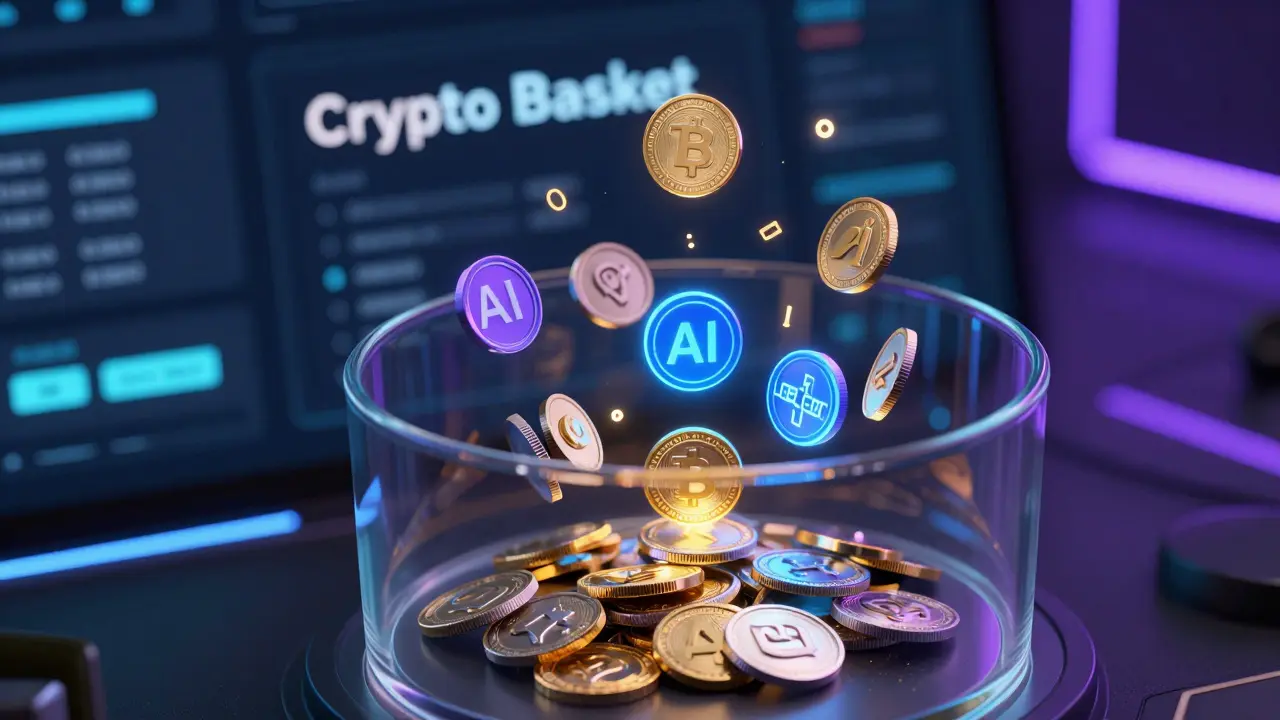
If you've ever tried to build a diversified crypto portfolio, you know the headache. You spend hours researching ten different AI tokens, five Layer-1s, and a handful of meme coins, only to spend the next hour manually executing twenty different trades. By the time you finish, the price of the first coin has already shifted. It's tedious, and frankly, it's a waste of time. Gems Trade is a centralized cryptocurrency exchange (CEX) launched in 2025 that attempts to kill this manual grind through a feature called Basket Trading.
Instead of playing whack-a-mole with individual buy orders, this platform lets you buy a curated bundle of assets in one click. But does a fancy shortcut make it a better place to keep your money than giants like Binance or Coinbase? Let's look at the actual numbers and user experiences to see if this Polish-registered exchange is a legitimate powerhouse or just a niche tool.
Key Takeaways: The Gems Trade Breakdown
- Standout Feature: Basket Trading allows one-click investment into themed token bundles while maintaining direct ownership of the assets.
- Market Position: Currently ranked #27 globally by volume, sitting comfortably between HTX and Bitget.
- Speed: Verified users report withdrawal times averaging under 2 minutes.
- The Trade-off: High innovation in portfolio management, but limited fiat on-ramps compared to industry leaders.
How Basket Trading Actually Works
The core of the Gems Trade experience is the "Basket." Imagine you want exposure to the top 10 meme coins. Usually, that's ten different trades, ten sets of fees, and ten different slippage risks. With a basket, you buy the "Meme Coin Bundle" as a single unit. However, unlike an ETF or a derivative, you aren't buying a contract that tracks a price; you are actually buying the tokens. They sit in your wallet, and you own them.
This isn't just a convenience for retail investors. According to data from The Block Research, using baskets can reduce execution slippage by about 37% compared to manual buying. If you're moving significant capital, that's a massive difference in your entry price. The platform currently offers baskets for Layer-1 networks, DeFi protocols, gaming tokens, and even prediction markets. They're even rolling out a "Sustainable Crypto Basket" in early 2026 for those focusing on carbon-neutral projects.
Fees, Liquidity, and Performance
A fancy interface doesn't mean much if the fees eat your profits. Gems Trade keeps its pricing competitive, though it's not the absolute cheapest in the market. For most users, you're looking at 0.10% for makers and 0.15% for takers. If you're a high-volume trader moving millions, you can get those down to 0.02% and 0.05% through their VIP tiers.
| Feature / Entity | Gems Trade | Binance | Coinbase |
|---|---|---|---|
| Standard Maker Fee | 0.10% | 0.02% - 0.10% | Variable |
| Asset Ownership | Direct (Baskets) | Derivative/Margin | ETF-style / Direct |
| Fiat On-ramps | EUR, USD, PLN | 50+ Currencies | Extensive |
| Withdrawal Speed | ~2 Minutes | Fast | Fast |
In terms of liquidity, the numbers are impressive. As of January 2026, the exchange saw a 24-hour trading volume of over $1.8 billion. For a platform that only launched in 2025, that's rapid growth. It shows that traders are actually using the tool, not just signing up for the $10 onboarding bonus.
Security and Regulatory Standing
When you're choosing a CEX, the legal jurisdiction is everything. Many exchanges operate in a regulatory gray area, but Gems Trade has taken a more structured approach. They are registered in Poland and hold a Virtual Asset Service Provider license from the Polish Financial Supervision Authority. This provides a layer of legitimacy and oversight that you don't always find with newer platforms.
On the technical side, they use multi-layer asset protection. While no exchange is 100% unhackable, the combination of a European license and high institutional adoption (38% of their client base) suggests a professional approach to risk management. If you're coming from a decentralized background, the 12-minute KYC process might feel like a hurdle, but it's the price for using a regulated CEX.
The Project's Buy Back and Burn Program (PBAP)
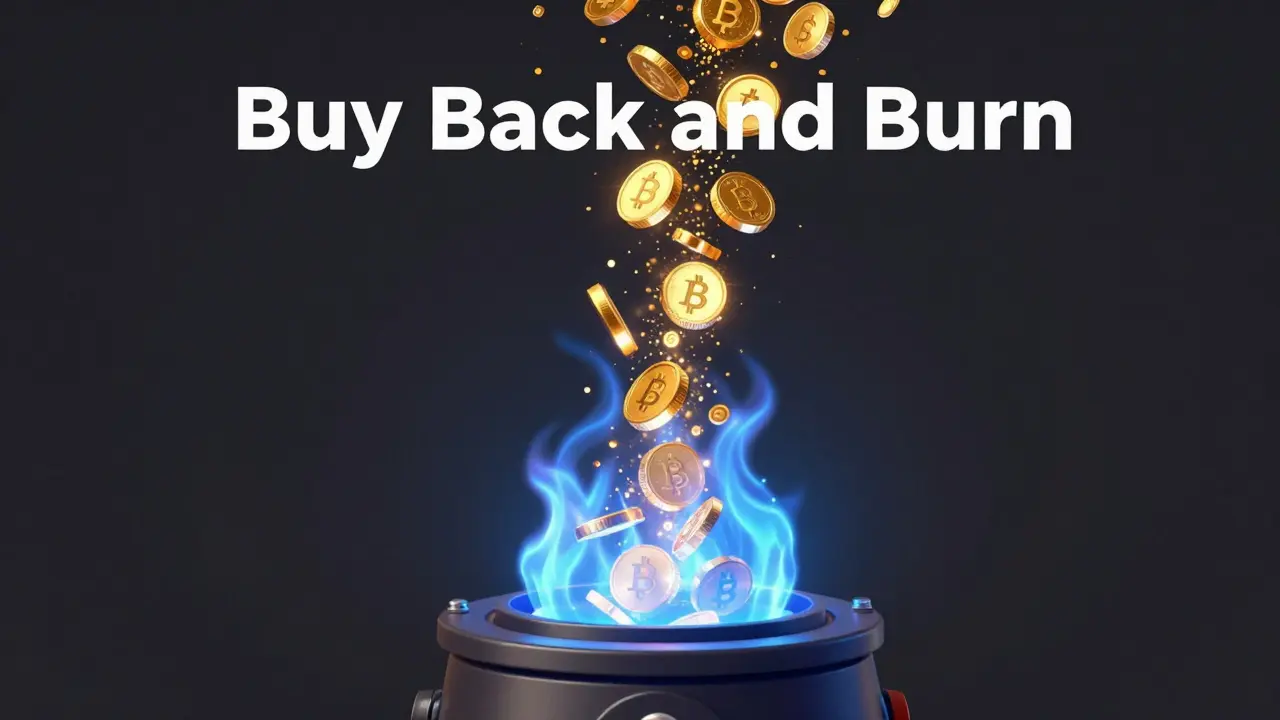
One of the more unique aspects of the ecosystem is the PBAP. This is essentially a revenue-sharing model for crypto projects. A project can share a custom Gems Trade link with its community. When users trade using that link, the project earns rewards. These rewards are then used to buy back and burn the project's own tokens.
For the average trader, this is mostly background noise. But for a token holder, it's a bullish signal. It creates a direct link between trading volume and token scarcity, which can help stabilize a project's price floor over the long term.
The Reality Check: Where it Falls Short
It's not all sunshine and rainbows. The biggest pain point for users is the fiat on-ramp. If you don't use USD, EUR, or PLN, you're going to have a hard time getting money onto the platform. You'll likely need to buy your coins elsewhere and transfer them in, which adds an extra step to the process.
Then there's the customer support. While they offer 24/7 live chat, a significant number of users on Trustpilot and CryptoSlate have complained about email response times during market crashes. Waiting 18 to 24 hours for a support ticket when your portfolio is swinging 20% is a stressful experience. Additionally, if you're a professional trader looking for complex perpetual contracts or advanced options, you'll find the offering here too basic. You'd be better off with a specialized platform like Deribit for those specific needs.
Final Verdict: Who is this for?
Gems Trade isn't trying to be everything to everyone. It's not the cheapest exchange, and it doesn't have the most fiat options. However, it solves a very specific problem: the inefficiency of diversifying a spot portfolio. If you're a retail investor who wants to bet on "AI coins" or "Gaming tokens" without spending your entire Sunday clicking "Buy" on twenty different pairs, this is probably the best tool currently available.
Is Gems Trade safe to use?
Yes, Gems Trade is generally considered safe. It operates under a Virtual Asset Service Provider license from the Polish Financial Supervision Authority and employs multi-layer asset protection. However, as with any centralized exchange, users should always follow the rule of "not your keys, not your coins" and use a cold wallet for long-term storage.
How does Basket Trading differ from an ETF?
Unlike an ETF where you own a share of a fund that tracks an index, Gems Trade's baskets result in direct ownership. When you buy a basket, the exchange executes the trades for the individual tokens, and those specific tokens are deposited directly into your account. You can sell them individually or as a group.
What are the trading fees on Gems Trade?
Standard fees start at 0.10% for makers and 0.15% for takers. High-volume traders can enter VIP tiers, which can lower these fees significantly, down to 0.02% for makers and 0.05% for takers.
Which fiat currencies are supported?
Currently, Gems Trade supports USD, EUR, and PLN through bank transfers and a limited number of payment processors. This is one of the primary areas where it lags behind larger competitors like Binance.
How long does KYC verification take?
The registration and KYC process is relatively quick, averaging about 12 minutes to submit. Most users receive full verification within 24 hours.