
Imagine finding out your passport and driver's license were sitting in a public folder on the internet. That is exactly what happened to customers of AlphaEx, a cryptocurrency exchange that suffered a catastrophic data breach and subsequently became defunct. If you are searching for an AlphaEx crypto exchange review today, you are likely trying to figure out if this platform is still viable or if it’s just a ghost from the past. The short answer? It is effectively dead. While a website at alphaex.net might still load, claiming to be a "Bitcoin & Digital Asset Exchange," industry experts and regulatory bodies classify AlphaEx as a former exchange due to severe security failures.
This isn't just about a glitchy app or slow withdrawals. We are talking about the exposure of over 5,000 identity documents, including national IDs and proof-of-age cards. For the 232 Australian and 24 New Zealand citizens directly impacted, this was a wake-up call about the fragility of their digital identities. This article breaks down why AlphaEx failed, the specific security breaches that led to its downfall, and what you should do if you were caught in the crossfire. More importantly, we will look at safer alternatives that actually protect your assets and your personal data.
The Rise and Fall of AlphaEx
AlphaEx positioned itself as a specialized hub for trading Bitcoin and digital assets, leveraging the XDC Protocol technology. On paper, the promise was appealing: faster transactions and lower fees through blockchain efficiency. But beneath the marketing gloss lay a fundamental lack of operational rigor. By early 2024, reports began surfacing that the exchange had ceased active operations. IDCARE, Australia’s leading identity and cyber support service, officially categorized AlphaEx as a "former cryptocurrency exchange" following a significant incident report in March 2024.
The core issue wasn't necessarily a hack by sophisticated hackers, but rather a misconfiguration. This is a critical distinction. A misconfiguration implies human error-a failure to lock a digital door properly-rather than a defeat by advanced malware. However, the result was equally devastating. Sensitive customer identity information (PII) was published openly. When an exchange fails to secure basic KYC (Know Your Customer) documents, it signals systemic neglect. Proper exchanges treat user data with the same paranoia they apply to private keys. AlphaEx did not.
If you visited alphaex.net recently, you might have been confused. The site claims to implement "cutting-edge information security technologies." Yet, there is no transparency regarding who owns the domain now, no audit history, and no mention of the previous breach. This ambiguity suggests the current site may be an attempt to rebrand or capitalize on the old name without addressing the trust deficit. As Jared Grey, CEO of Blockchain Intelligence Group, noted, once identity documents are compromised at scale, the business model is fundamentally broken. No amount of new marketing can fix a shattered reputation.
Anatomy of the Security Breach
To understand why AlphaEx is considered a cautionary tale, we need to look at what went wrong technically. The Cloud Security Alliance guidelines specify that crypto exchanges must encrypt sensitive data both at rest and in transit. They also require strict access controls. AlphaEx violated these basic principles. The breach exposed driver licenses, passports, and national identity cards. This is not wallet address data; this is real-world identity data that criminals can use to impersonate you.
| Security Feature | Industry Standard (e.g., Coinbase) | AlphaEx Status |
|---|---|---|
| Data Encryption | AES-256 at rest, TLS 1.3 in transit | Misconfigured storage of PII |
| Identity Verification Storage | Tokenized or encrypted vaults | Exposed raw documents |
| Security Audits | Two independent audits annually | No public audit records found |
| Regulatory Registration | Listed on ASIC Register (AU) | Absent from ASIC Register |
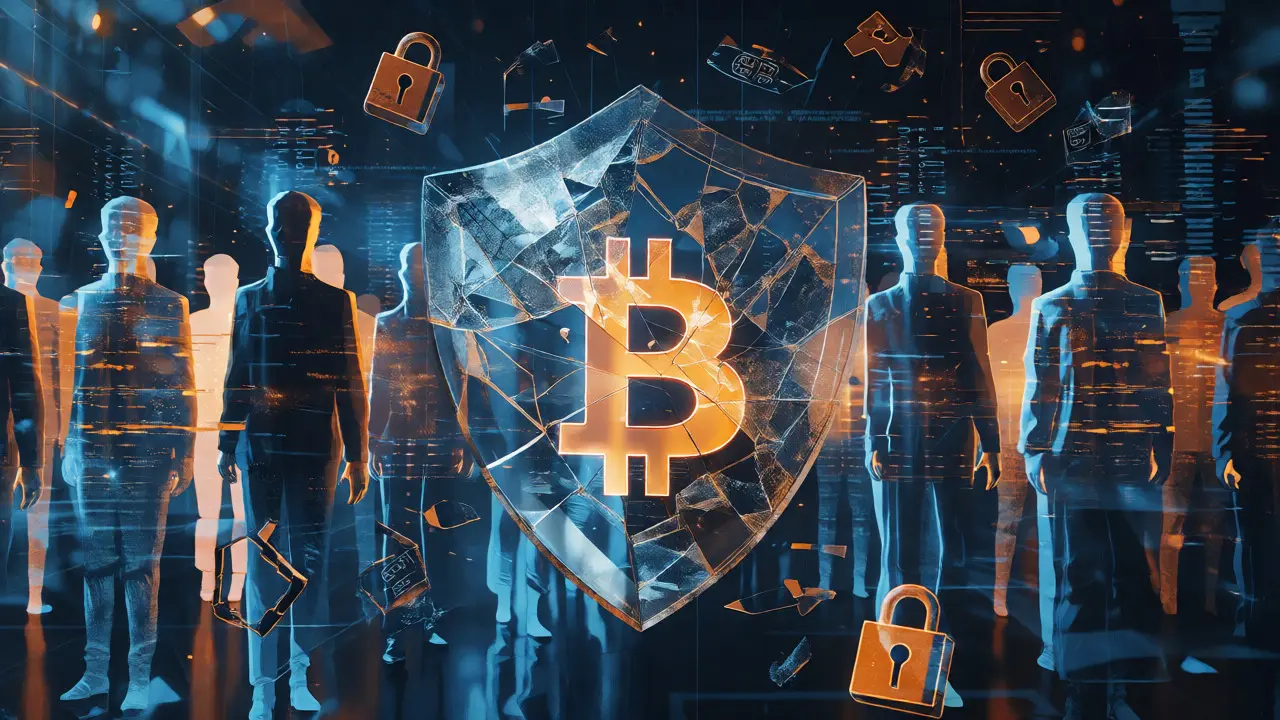
The impact of this breach extends beyond just lost money. According to Dr. Sarah Jamie Lewis, a cryptography researcher, when identity documents are compromised alongside potential wallet information, users face compounded risks. These include targeted phishing attacks where scammers know your name and address, and SIM swap attacks where they intercept your two-factor authentication codes. The Cloud Security Alliance notes that inadequate protection of KYC documentation is one of the top five causes of exchange failures. In fact, over 68% of breached exchanges had exposed customer identity information beyond just wallet data. AlphaEx fits squarely into this high-risk category.
What Happened to Affected Users?
If you were an AlphaEx customer, particularly in Australia or New Zealand, the aftermath was stressful. IDCARE reported that attempts to contact all affected individuals directly were unsuccessful. This lack of communication is another red flag. Responsible companies notify users immediately. AlphaEx’s silence forced many to discover the breach through third-party alerts or news reports.
For those affected, the damage control process is time-consuming. IDCARE estimates that individuals spend between 8 to 12 hours addressing identity theft concerns after such incidents. This includes placing fraud alerts with credit bureaus like Equifax, Experian, and TransUnion. In Australia and New Zealand, these alerts can be renewed every 90 days, but the mental toll of monitoring your credit score for years is significant.
User feedback from platforms like Reddit paints a bleak picture. One user, u/AusCryptoInvestor, shared that they received a call from IDCARE confirming their passport and driver's license were exposed. They changed all passwords and began closely monitoring their credit. Another common complaint from archived reviews mentioned slow customer support and verification processes taking over two weeks. These operational inefficiencies often correlate with poor security infrastructure. If an exchange cannot manage its customer service queues, it likely struggles to manage its server security patches.
Is AlphaEx Still Operational?
This is the most confusing part for new users. You can type alphaex.net into your browser, and a website appears. It looks professional enough. It talks about "integrity of customer data" and "cutting-edge technologies." But don’t let the design fool you. WHOIS data indicates the domain was registered or re-registered in March 2024, right around the time the breach became public knowledge. There is no corporate ownership information listed, no link to a parent company, and no regulatory disclosures.
Legitimate exchanges operating in Australia must appear on the ASIC Digital Currency Exchange Register. AlphaEx is notably absent. This absence is a dealbreaker for compliance-focused investors. Without regulatory oversight, there is no guarantee that funds held on the platform are segregated from operational costs. In other words, if the company goes under again, your Bitcoin might disappear along with the servers.
Analysts at Delphi Digital suggest that exchanges suffering identity document breaches have a near-zero chance of regaining user trust without a complete change of ownership and a third-party verified security overhaul. Since there is no evidence of such an overhaul at alphaex.net, it is safe to assume the platform is either dormant or operating with extreme risk. Treat any new deposits with skepticism.
Better Alternatives for Secure Trading
Since AlphaEx is no longer a reliable option, where should you go? The market has consolidated significantly. Major players like Binance, Coinbase, and Kraken have gained millions of new users partly because smaller, less secure exchanges like AlphaEx failed. Here is how some top-tier alternatives compare in terms of security and usability.
- Coinbase: Known for its robust security framework, including nine layers of protection such as biometric authentication and device management. It holds the majority of assets in cold storage and is publicly traded, adding a layer of financial transparency.
- Kraken: A favorite among security-conscious traders, Kraken has never been hacked since its inception in 2011. It offers strong proof-of-reserves and supports a wide range of cryptocurrencies.
- Binance: The largest exchange by volume, offering deep liquidity. While it has faced regulatory scrutiny, it maintains a substantial insurance fund (SAFU) to cover losses in case of a security breach.
- Bybit: Popular for derivatives trading, Bybit has improved its security posture significantly, implementing multi-signature cold wallets and regular audits.
When choosing an alternative, look for three things: regulatory registration in your country, clear disclosure of asset storage methods (hot vs. cold wallets), and a history of transparent incident response. Do not choose an exchange based solely on low fees. The cost of a security breach far outweighs the savings on trading commissions.
How to Protect Yourself After a Breach
If you are worried about your own data or simply want to be proactive, here is a checklist to follow. First, verify if your email was involved in any known breaches using tools like HaveIBeenPwned. Second, enable hardware-based two-factor authentication (2FA) on all your crypto accounts. SMS-based 2FA is vulnerable to SIM swapping, which is a major risk when your phone number is linked to leaked identity data.
Third, diversify your holdings. Do not keep all your crypto on a single exchange. Move long-term holdings to a self-custody wallet like Ledger or Trezor. This ensures that even if an exchange fails, your coins remain in your control. Finally, monitor your credit reports regularly. Set up alerts for new inquiries or accounts opened in your name. Early detection is key to minimizing financial damage.
AlphaEx serves as a stark reminder that in the crypto world, security is not optional-it is the product. When evaluating any exchange, ask yourself: "Would I feel comfortable handing them my physical passport?" If the answer is no, keep your distance.
Is AlphaEx crypto exchange still active?
Technically, the website alphaex.net loads, but it is widely considered defunct. IDCARE and industry analysts classify it as a former exchange due to a major security breach and lack of regulatory registration. Most users avoid depositing funds there due to unresolved trust issues.
What happened to AlphaEx customers' data?
A misconfiguration exposed over 5,000 identity documents, including passports, driver's licenses, and national ID cards. This affected hundreds of users primarily in Australia and New Zealand, putting them at risk for identity theft and fraud.
Can I withdraw my money from AlphaEx?
Withdrawal capabilities are inconsistent and risky. Many users report difficulties contacting support. Given the exchange's defunct status, it is highly recommended to move assets to a regulated, reputable exchange immediately to avoid potential loss of access.
Why is AlphaEx not on the ASIC register?
AlphaEx failed to meet the ongoing compliance requirements set by the Australian Securities and Investments Commission (ASIC). Its removal or absence from the Digital Currency Exchange Register indicates it does not currently hold a valid license to operate as a digital currency exchange provider in Australia.
What are the safest alternatives to AlphaEx?
Top alternatives include Coinbase, Kraken, and Binance. These platforms offer superior security features, such as cold storage for the majority of assets, regular third-party audits, and clear regulatory compliance in major markets.