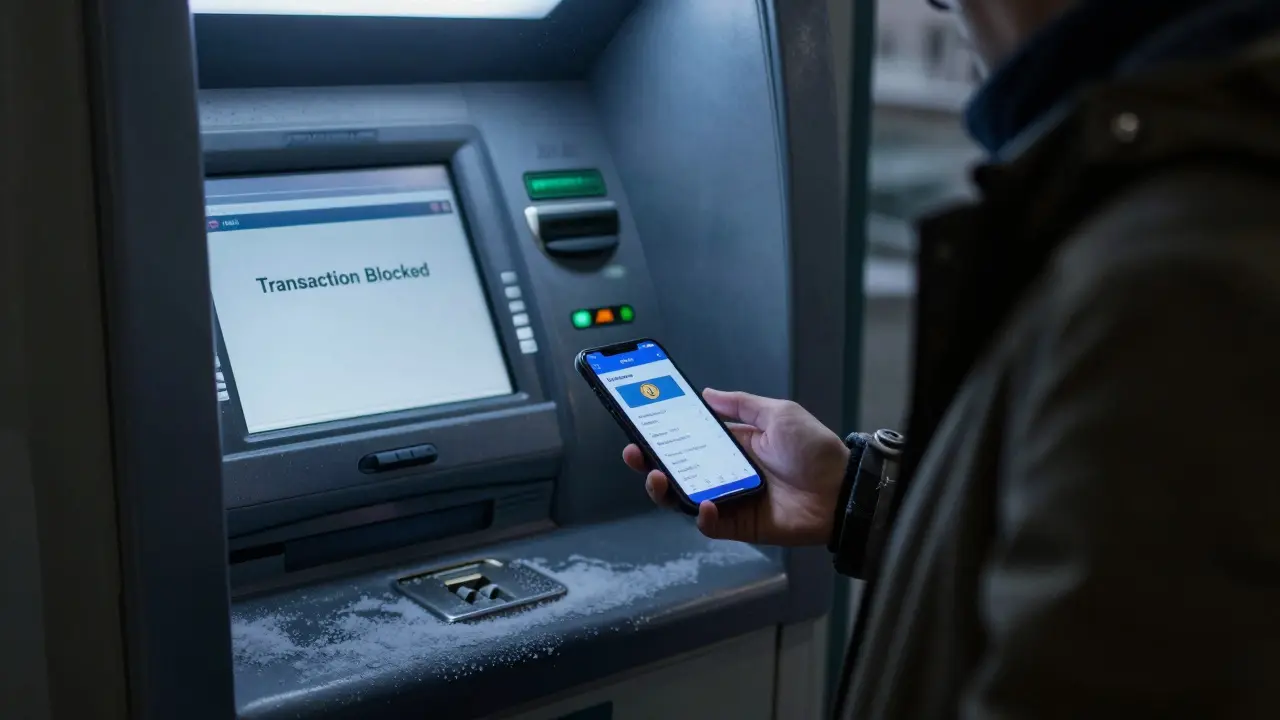
Russian banks crypto restrictions: What’s blocked, why it matters, and how people adapt
When it comes to Russian banks crypto restrictions, the Russian government’s tight control over financial flows to limit capital flight and evade Western sanctions. Also known as Russia’s crypto crackdown, it’s not a full ban—but a system designed to make crypto usage painful, slow, and risky for ordinary people. Since 2022, Russian banks have been ordered to block transactions linked to foreign crypto exchanges, freeze accounts tied to crypto wallets, and report any suspicious activity to Rosfinmonitoring. The goal? To keep money inside the country and prevent citizens from using digital assets as a lifeline against inflation and sanctions.
But crypto didn’t disappear—it just went underground. People now use peer-to-peer platforms like LocalBitcoins and Paxful, often trading in cash or through informal networks. Some bypass restrictions by using Tether (USDT), a stablecoin that’s become Russia’s unofficial digital currency. Also known as crypto ruble, it’s traded on decentralized exchanges like Uniswap and PancakeSwap, then converted to cash via trusted intermediaries. Meanwhile, crypto mining, once a legal industry, is now tightly controlled by the state. The IRGC and other state-linked groups dominate mining operations, using stolen electricity to run rigs while regular citizens face blackouts. Even when Russians try to use domestic platforms like Nobitex, they hit walls: trading hours are limited, withdrawals are capped, and Tether froze over $200 million in Russian-linked accounts in 2023.
What’s clear is that Russian banks crypto restrictions aren’t stopping crypto—they’re forcing it into the shadows. People aren’t giving up. They’re adapting: using VPNs to access banned exchanges, trading via Telegram bots, and even bartering crypto for goods in local markets. The state can block bank transfers, but it can’t block the internet. And as long as inflation stays high and the ruble stays weak, crypto will remain a survival tool—not a luxury.
Below, you’ll find real stories and deep dives into how Russians navigate these restrictions, what tools they actually use, and which platforms still work despite the crackdown. From mining under the radar to bypassing frozen accounts, these posts cut through the noise and show you exactly what’s happening on the ground.