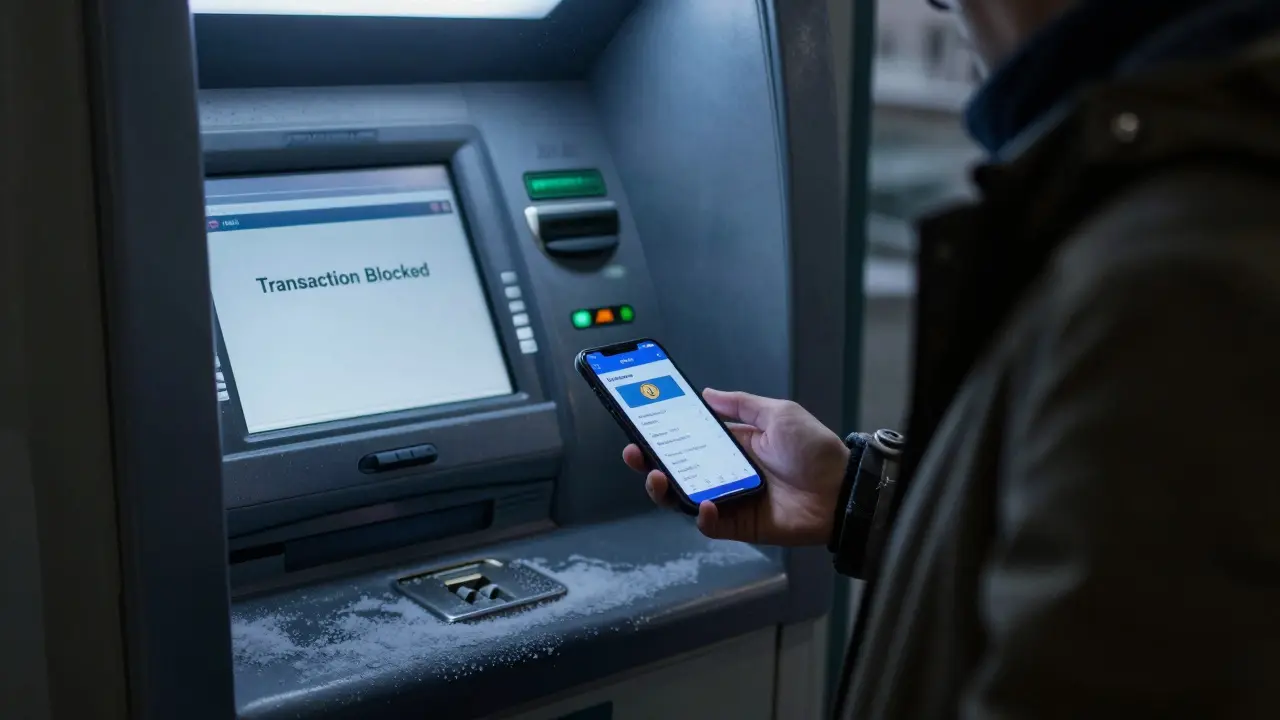
Russia Crypto to Fiat Withdrawal: How to Cash Out Crypto Legally and Safely
When it comes to Russia crypto to fiat withdrawal, the process of converting cryptocurrency into rubles or other local currencies while navigating strict financial controls and international sanctions. Also known as crypto cash-out in Russia, it’s not just a technical task—it’s a survival skill for many amid inflation, banking restrictions, and frozen accounts. Unlike in open markets, Russian users can’t just log into Binance or Kraken and withdraw to a local bank. Payment gateways are blocked, foreign exchanges restrict access, and even Tether has frozen millions in user funds. Yet people still move crypto to cash—because they have to.
That’s where Russian crypto exchanges, local platforms like Nobitex, Cex.io Russia, and P2P networks that bypass traditional banking rails. Also known as domestic crypto brokers, they act as bridges between digital assets and real money. These aren’t always legal, but they’re functional. Many use peer-to-peer (P2P) trading, where buyers and sellers match directly—often using cash deposits, gift cards, or even Telegram groups to complete trades. Some rely on crypto-to-fiat services in neighboring countries like Kazakhstan or Turkey, then transfer rubles back via informal channels. Others turn to crypto sanctions Russia, the complex web of global restrictions that block Russian users from mainstream platforms and freeze assets tied to sanctioned entities. Also known as crypto blacklisting Russia, it forces users to find workarounds that are fast, risky, and often unregulated.
It’s not just about finding a platform. It’s about avoiding scams. Fake exchanges, phishing bots, and fake KYC portals are everywhere. People lose life savings trying to cash out because they trusted a Telegram channel with a flashy logo. The real players use verified P2P traders with high ratings, multi-signature wallets, and off-chain communication. Some even use crypto banking Russia, the emerging ecosystem of unofficial financial services that accept crypto deposits and issue ruble cards or bank transfers through shell entities. Also known as crypto-friendly fintech in Russia, these services operate in gray zones but keep money flowing for millions.
This page collects real, verified guides on how Russians actually move crypto to cash today. You’ll find breakdowns of working exchanges, step-by-step P2P methods, warnings about scams that wiped out entire communities, and updates on how sanctions are changing the rules every month. No theory. No guesswork. Just what’s working in 2025—because if you’re trying to cash out crypto in Russia, you need facts, not fluff.