Crypto Withdrawal Limits Russia: What You Can and Can't Do in 2025
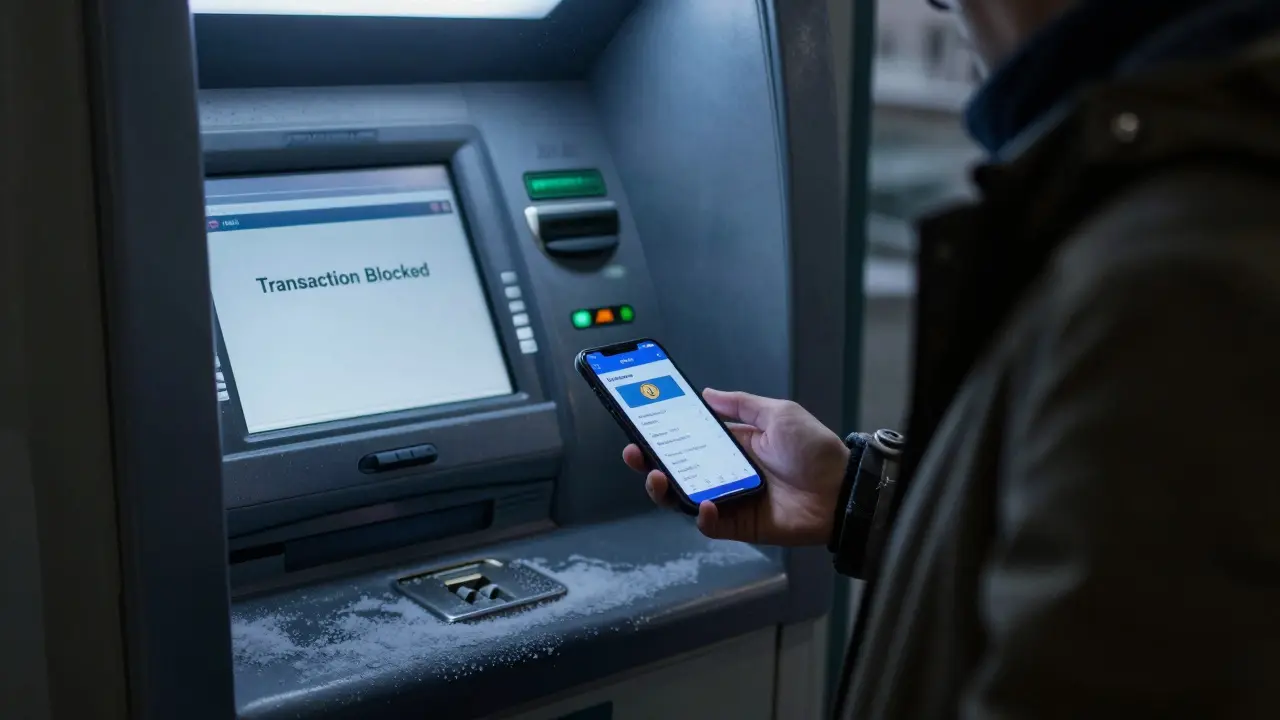
When it comes to crypto withdrawal limits Russia, the rules that control how much cryptocurrency users can move out of Russian accounts. Also known as Russian crypto transfer caps, these limits are enforced through banking partnerships, exchange compliance, and government pressure—not just technical blocks. If you're in Russia or sending crypto from there, you're not just fighting slow networks—you're fighting a system that treats crypto like a liability, not a tool.
Most major exchanges like Binance and Kraken have pulled direct support for Russian bank links. What’s left are smaller platforms, peer-to-peer networks, and OTC desks that operate in gray zones. But even those have limits. Some users report daily withdrawal caps as low as $500 in equivalent crypto, while others get locked out after three transfers in a week. The Central Bank of Russia doesn’t publish official withdrawal numbers, but banks report suspicious activity to Rosfinmonitoring, and that triggers freezes. It’s not about legality—it’s about visibility. If your transaction looks like it’s bypassing capital controls, it gets flagged. And once flagged, you might lose access to your funds for weeks—or permanently.
That’s why people are turning to crypto exchange Russia, local platforms that still allow trading despite sanctions. Also known as Nobitex-style services, these platforms often use offshore liquidity and non-KYC wallets to keep things moving. But they’re not safe. Many have no customer support, no insurance, and no track record. Then there’s the Russian crypto regulations, the legal framework that makes holding crypto risky but not illegal. Also known as crypto tax rules Russia, these laws require you to declare holdings and pay taxes—even if you can’t withdraw them. The government wants to track you, not ban you. That’s why the real danger isn’t the cap—it’s the audit trail you leave behind.
And it’s not just about money. The crypto restrictions, the broader set of controls limiting access to global crypto markets. Also known as capital flight prevention, these rules are designed to stop Russians from moving wealth out of the country. Tether froze $200 million in 2023 because it detected patterns tied to sanctioned wallets. CoinGate and other payment processors quietly cut Russian users. Even decentralized exchanges like KyberSwap and Hermes Protocol aren’t immune—many block Russian IPs or require proof of non-residency. You can still trade, but moving value out? That’s where the walls go up.
What you’ll find in the posts below aren’t guides to bypassing limits—you’ll find the truth about what’s real and what’s a scam. You’ll see which exchanges still work, which airdrops are fake, and how people are using DeFi tools to move crypto without touching a Russian bank. There’s no magic fix. But there are patterns. And if you know where to look, you can stay safe without breaking the law—or losing your coins.