
Mental Stop-Loss vs Automated Orders: Which Risk Strategy Actually Works?
Stop your portfolio from bleeding. Compare the psychological pitfalls of mental stop-losses against the efficiency of automated orders in crypto trading.
When you hear crypto trading, the act of buying and selling digital assets with the goal of profit, often using exchanges or decentralized platforms. Also known as digital asset trading, it's not just about price charts—it's about understanding who runs the platforms you use, how fees eat into your gains, and which tokens have real use cases versus empty hype. Most people think crypto trading means watching Bitcoin swing up and down. But the real game is in the details: knowing whether you're trading on a platform with thin liquidity, avoiding fake airdrops that steal your wallet keys, or spotting a stablecoin swap that actually saves you money on slippage.
Crypto exchange, a platform where you buy, sell, or trade cryptocurrencies, ranging from centralized giants like Binance to niche DEXs like SyncSwap. Also known as cryptocurrency trading platform, it's the backbone of everything you do. But not all exchanges are built the same. Some, like Echobit, offer 125x leverage for experienced traders but leave beginners stranded without support. Others, like Hermes Protocol, let you swap across chains without bridges—but their liquidity is so thin that a $10,000 trade might move the price 15%. And then there are the ghosts: EQONEX, TOPBTC, Metal X—all once active, now gone, with user funds lost or locked. If you don’t know who’s behind the platform, you’re not trading—you’re gambling. That’s why spot trading, buying and selling crypto at current market prices without leverage or derivatives. Also known as cash trading, it’s the safest entry point for most people. It’s what you do when you compare fees on Binance vs Kraken to save $200 a year. It’s why you check if a DEX like xSigma offers 0.02% slippage on USDC swaps instead of blindly trusting a meme coin launchpad with zero volume. Spot trading doesn’t promise riches overnight. It just keeps your money safer while you learn the real players.
And then there’s the noise: tokens like $TRUTH, WIT, LOAFCAT, and LESLIE. They look like crypto projects. But they’re not. They’re community memes with $300K market caps, no teams, no roadmaps, and no chance of lasting. Real crypto trading means knowing the difference between a token tied to a functioning DeFi protocol—like vBNT for Bancor governance—or a stablecoin swap engine like xSigma, and a token that exists only because someone typed a name into a contract and called it a day. The same goes for airdrops. KCCSwap? Fake. NAMA? Confused with Namada. WSG? Real—but only if you know how to claim it without handing over your seed phrase.
What you’ll find below isn’t a list of top coins to buy. It’s a map of what actually works in crypto trading right now: exchanges with real fees, DEXs that don’t break, stablecoin tools that save you money, and warnings about the traps that take your cash. You’ll see why some platforms vanished overnight, how Iranian and Russian traders are forced to adapt, and which tools still deliver value in 2025. This isn’t hype. It’s what’s left after the noise fades.
Stop your portfolio from bleeding. Compare the psychological pitfalls of mental stop-losses against the efficiency of automated orders in crypto trading.
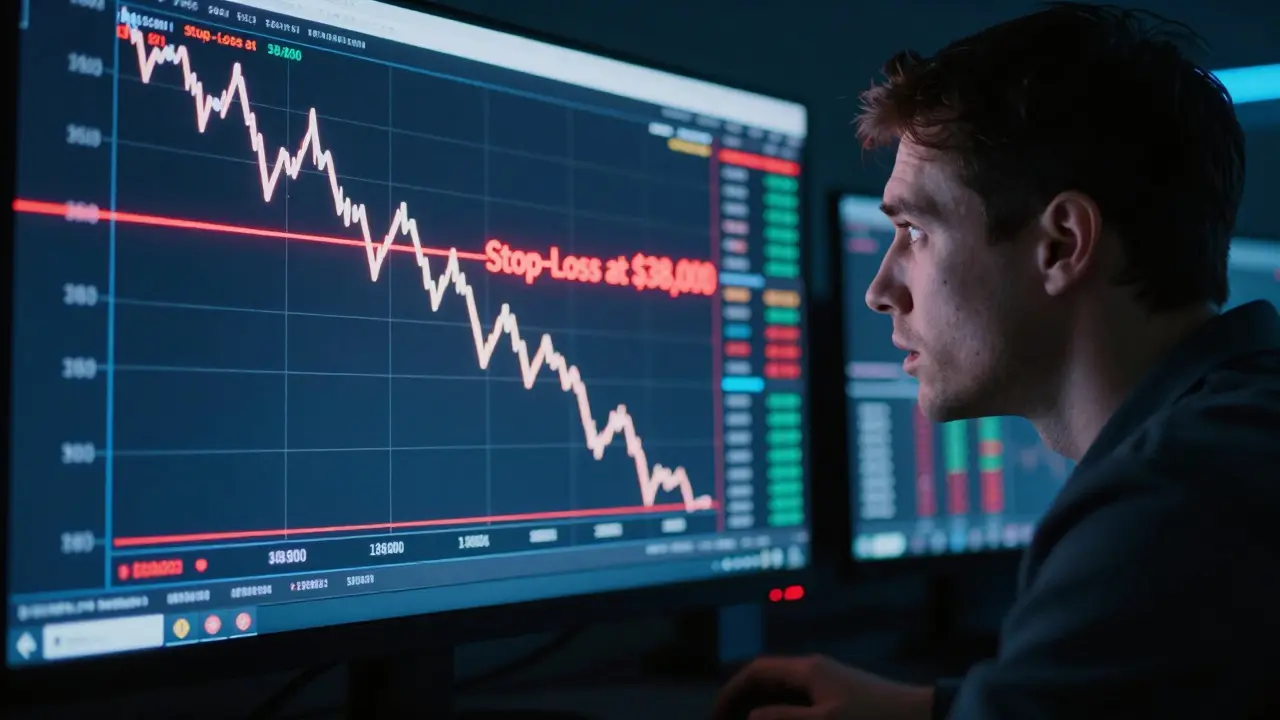
Stop-loss orders in crypto trading help limit losses by automatically selling assets when prices hit a set level. Learn the types, best practices, and hidden risks - backed by data from top exchanges and professional traders.

KyberSwap Elastic on Polygon offered innovative concentrated liquidity and auto-compounding fees - until a $56M exploit shattered trust. Here’s what went wrong and why you should avoid it in 2025.