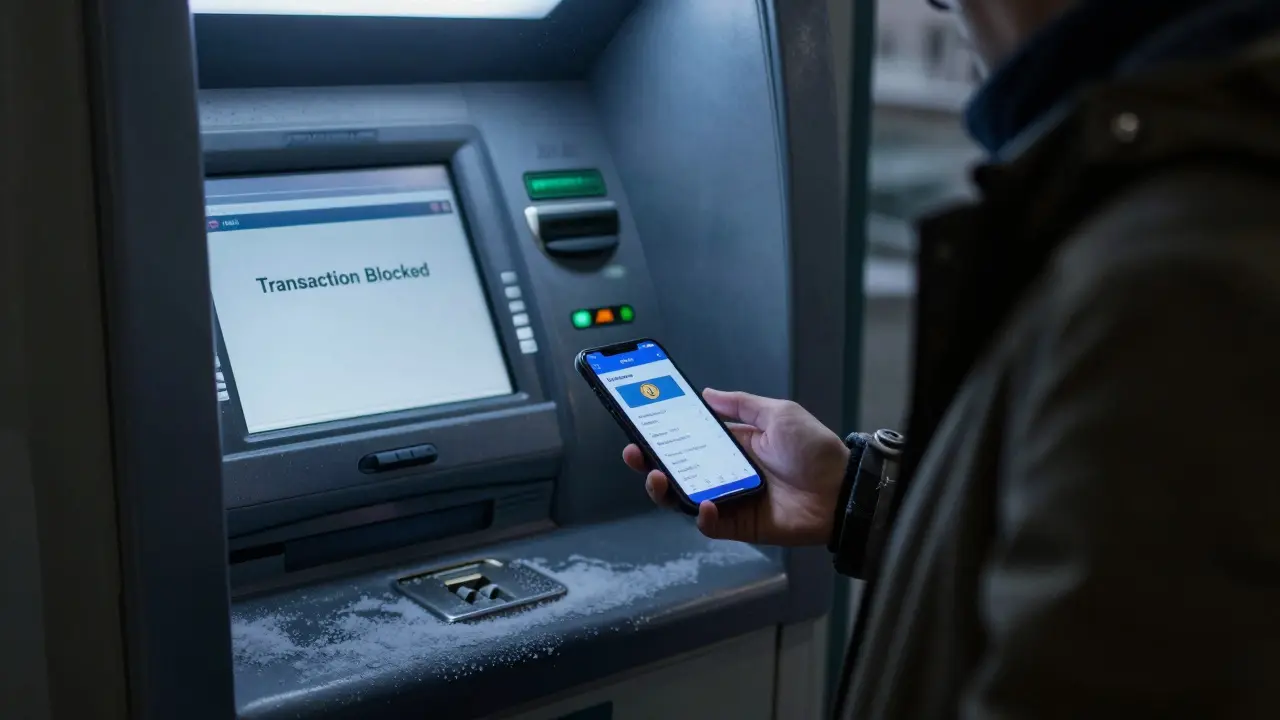
Crypto Banking Rules in Russia: What You Need to Know
When it comes to crypto banking rules Russia, the legal framework governing how individuals and institutions use, trade, or mine cryptocurrency within Russia’s financial system. Also known as Russian cryptocurrency regulations, it’s not a simple ban or open market—it’s a patchwork of restrictions, state control, and underground workarounds. Unlike countries that fully embrace or fully block crypto, Russia walks a tightrope: it bans crypto as payment, but lets mining continue—often with military backing.
The Russian Central Bank, the official financial authority that has repeatedly pushed to outlaw crypto transactions and freeze foreign exchange access doesn’t want you using Bitcoin to pay for groceries or send money abroad. But at the same time, the IRGC, a state-linked military group that runs massive unlicensed crypto mining operations using stolen electricity is quietly turning power grids into crypto factories. This isn’t illegal in Russia—it’s policy. Meanwhile, ordinary citizens face blackouts while miners run rigs 24/7. The crypto restrictions Iran, a parallel case where payment gateways are shut and trading hours are capped, but crypto remains a lifeline against inflation show how sanctions and economic pressure force people into crypto, even when the state says no.
What’s missing from official rules? Transparency. There’s no clear guide on how to legally hold crypto, no licensed exchanges for Russians, and no protection if your wallet gets frozen. You can’t use crypto to buy a car or pay rent, but you can mine it—if you have access to cheap power and don’t mind being part of a system that fuels sanctions evasion. The crypto banking rules Russia aren’t about safety or innovation—they’re about control. And that’s why the posts below dive into the real stories: the exchanges that vanished, the airdrops that were fake, the mining operations tied to state actors, and the people who still use crypto to survive.
What you’ll find here isn’t theory. It’s what’s actually happening: the shutdowns, the scams, the state-backed mining, and the quiet ways people bypass the rules. If you’re trying to understand how crypto works in places where the government says one thing but does another, these are the cases you need to see.