Unlicensed Crypto Mining in Iran: How the IRGC Controls the Power Grid
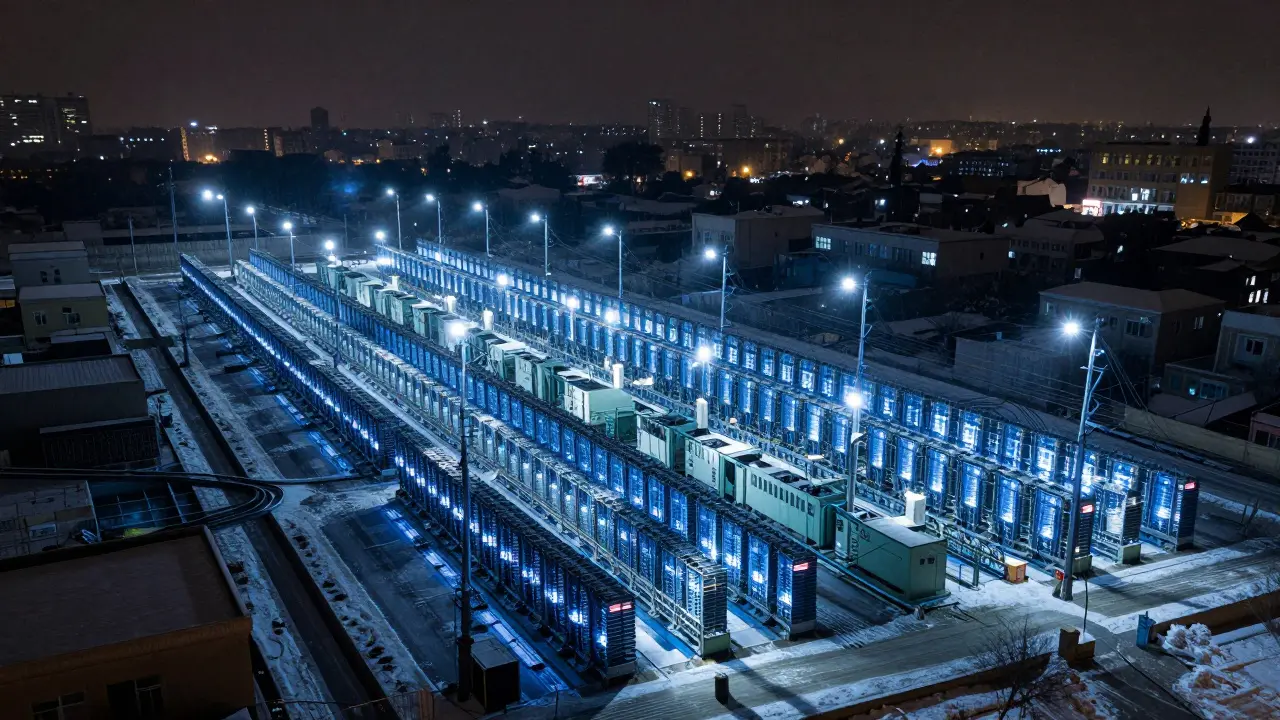
Iran's IRGC runs unlicensed crypto mining on stolen public electricity, fueling sanctions evasion while citizens face blackouts. This isn't crime-it's state policy.
When you hear unlicensed mining, the operation of cryptocurrency mining hardware without legal authorization or regulatory approval. Also known as illegal mining, it’s not just a technical violation—it’s a legal gamble with real-world consequences. Unlike mining through regulated platforms or in jurisdictions that welcome it, unlicensed mining happens in the shadows: basements in countries that ban crypto, data centers operating without permits, or rigs running on stolen electricity. It doesn’t matter if you’re mining Bitcoin, Ethereum, or a new altcoin—if your setup isn’t approved by local authorities, you’re operating illegally.
This isn’t just about breaking rules. Governments in places like China, Russia, and parts of the U.S. have cracked down hard. In 2021, China shut down over 90% of its mining operations overnight, seizing rigs and freezing bank accounts. In 2025, Russian banks started flagging any transaction linked to mining hardware purchases, and some users faced fines or even criminal charges. Even in the U.S., where mining is mostly legal, running a large-scale operation without a business license or proper power contracts can trigger IRS audits, utility penalties, or zoning violations. Crypto mining regulation, the set of laws and policies that govern how and where cryptocurrency mining can be conducted is becoming stricter everywhere—not because governments hate crypto, but because unlicensed mining strains power grids, hides income, and avoids taxes.
Mining legality, whether a mining activity is permitted under local, state, or national law varies wildly. In Texas, you can mine legally if you pay your electricity bill and follow building codes. In Kazakhstan, you need a special license just to buy mining rigs. In Nigeria, mining is technically legal, but using public grid power for it is banned. The confusion leads people to assume that if a coin is tradable, mining it must be okay too. That’s not true. Illegal mining, mining that violates local laws, often involving theft of power or bypassing tax obligations is a growing problem—and regulators are catching up fast. Utilities are using AI to spot abnormal power spikes. Tax agencies are cross-referencing crypto wallet activity with energy usage. And banks are freezing accounts linked to mining income.
The posts below don’t just talk about mining—they show you what happens when things go wrong. You’ll find real cases of exchanges shut down, tokens tied to illegal operations, and users who lost everything because they ignored the rules. Some articles expose fake mining airdrops. Others reveal how unlicensed mining schemes masquerade as legitimate projects. One even details how a crypto exchange got raided for enabling miners who used stolen power. These aren’t hypotheticals. These are real people who thought they were just running a rig—and ended up in legal trouble.
If you’re thinking about mining, don’t assume it’s a free-for-all. Check your local laws. Ask your utility company. Know who’s paying the electricity bill. The most profitable miners aren’t the ones with the most hash power—they’re the ones who stay legal.
Iran's IRGC runs unlicensed crypto mining on stolen public electricity, fueling sanctions evasion while citizens face blackouts. This isn't crime-it's state policy.