Unlicensed Crypto Mining in Iran: How the IRGC Controls the Power Grid
Iran's IRGC runs unlicensed crypto mining on stolen public electricity, fueling sanctions evasion while citizens face blackouts. This isn't crime-it's state policy.
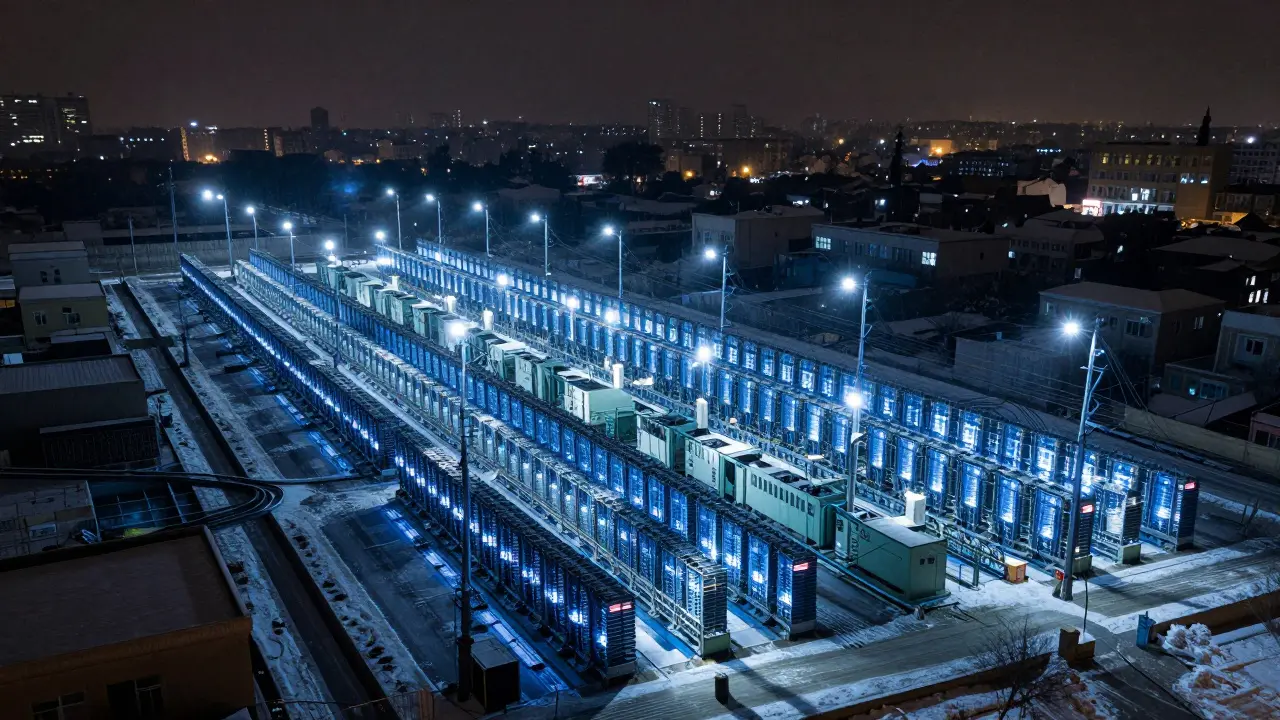
When people talk about IRGC crypto mining, the cryptocurrency mining operations linked to Iran’s Islamic Revolutionary Guard Corps. Also known as state-sponsored crypto mining, it’s not just about electricity and hardware—it’s a geopolitical tool used to bypass sanctions and fund military activities. Unlike regular miners who mine for profit, the IRGC uses state-controlled power plants and imported hardware to run massive mining farms, turning Iran’s cheap energy into hard currency.
This isn’t theoretical. In 2023, the U.S. Treasury froze over $200 million in crypto tied to IRGC mining operations. Iran’s own government admitted to using crypto mining to circumvent banking restrictions, especially after Tether froze millions in Iranian accounts. The IRGC doesn’t just mine Bitcoin—it’s also involved in Ethereum, Monero, and other privacy-focused coins that are harder to trace. This creates a dangerous loop: sanctions push Iran toward crypto, crypto mining funds the IRGC, and the IRGC uses that money to fuel regional influence.
But here’s the real catch: regular Iranians don’t benefit. While the IRGC runs 200-megawatt mining farms, citizens face daily power cuts and are banned from using major exchanges. Some still mine crypto in their garages to survive inflation, but they risk arrest if caught. The Iran crypto restrictions, government-imposed limits on crypto trading, withdrawals, and mining by private citizens are brutal. Trading hours are cut, payment gateways are blocked, and even holding crypto can trigger bank freezes. Meanwhile, the IRGC operates with near-total immunity.
And it’s not just Iran. Similar patterns are showing up in Russia, North Korea, and Venezuela—where state actors use crypto mining to sidestep global financial controls. The cryptocurrency sanctions, international measures targeting crypto transactions tied to sanctioned entities are evolving fast. The U.S., EU, and UN now track mining IP addresses, crypto wallet clusters, and even hardware imports. If you’re reading this because you’re curious about mining in high-risk regions, know this: what looks like a financial opportunity is often a legal trap.
The posts below dig into exactly how these systems work—from the hardware used in Iranian farms to the fake airdrops that lure unsuspecting users. You’ll find real breakdowns of crypto exchanges banned in Iran, how banks react when you try to cash out, and why so-called "crypto survival tools" are often scams designed to feed the very systems that oppress users. There’s no romance here. Just cold facts about who controls the hash rate, who pays the price, and what you need to avoid if you’re anywhere near this space.
Iran's IRGC runs unlicensed crypto mining on stolen public electricity, fueling sanctions evasion while citizens face blackouts. This isn't crime-it's state policy.