Unlicensed Crypto Mining in Iran: How the IRGC Controls the Power Grid
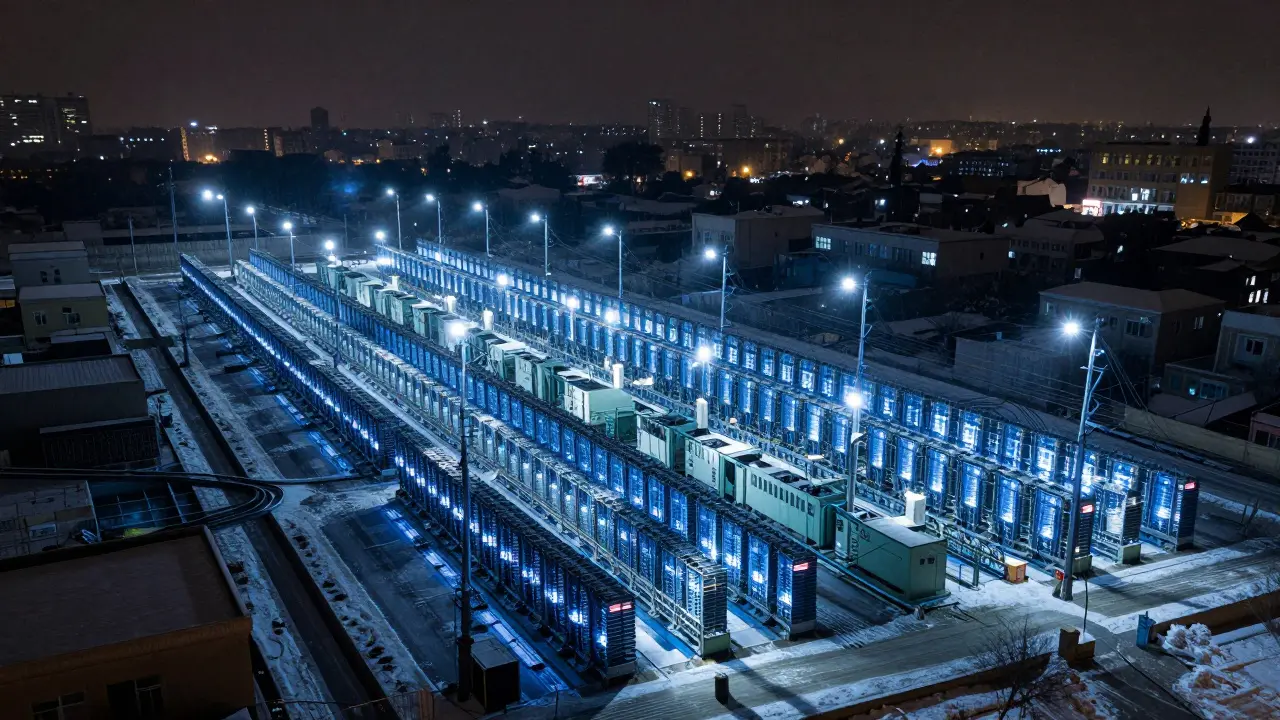
Iran's IRGC runs unlicensed crypto mining on stolen public electricity, fueling sanctions evasion while citizens face blackouts. This isn't crime-it's state policy.
When the lights go out in Tehran and electricity is rationed to just a few hours a day, people don’t just need candles—they need a way to protect their money. The Iran energy crisis, a combination of collapsing infrastructure, U.S. sanctions, and mismanagement that leaves millions without reliable power. Also known as Iran’s power shortage, it’s forced citizens to turn to decentralized systems just to survive. With banks blocked from global networks and inflation hitting 40%, digital assets became the only escape hatch for ordinary people trying to hold value.
That’s where crypto restrictions Iran, government-imposed limits on trading, payment gateways, and foreign exchange that try to control how citizens access digital money. Also known as Iran’s crypto crackdown, it’s a paradox: the state bans crypto to stop capital flight, but citizens use it to avoid poverty. In 2025, Tether froze millions in Iranian wallets, Nobitex got hacked, and trading hours were cut to 6 p.m. to 10 p.m. But none of it stopped the flow. People still trade via peer-to-peer apps, use VPNs to access exchanges, and convert USDT to cash in underground markets. Crypto isn’t a luxury here—it’s a utility, like water or Wi-Fi.
And it’s not just about survival. The Tether freeze Iran, the 2024 incident where Tether blocked Iranian accounts holding over $200M in USDT, triggering panic and protests. Also known as USDT ban Iran, it showed how even stablecoins aren’t safe when geopolitics collide with blockchain. But the damage was already done—trust in banks had vanished years ago. Now, Iranians know: if your money is on a blockchain, it can’t be seized by a single official. That’s why even teenagers are learning how to use MetaMask and set up cold wallets. The Nobitex hack, the 2023 breach that stole $150M from Iran’s largest crypto exchange, exposing weak security in local platforms. Also known as Nobitex theft, it didn’t kill crypto—it made users demand better tools. Today, people avoid centralized exchanges entirely. They use decentralized swaps, self-custody wallets, and hardware keys. And they share tips in Telegram groups, not government forums.
What you’ll find below isn’t theory. These are real stories from inside Iran’s underground crypto network: how people trade when banks won’t talk, how they avoid taxes, how they keep their funds safe during blackouts, and which platforms still work after every crackdown. You’ll see why some call it the world’s most resilient crypto economy—not because it’s legal, but because it’s necessary.
Iran's IRGC runs unlicensed crypto mining on stolen public electricity, fueling sanctions evasion while citizens face blackouts. This isn't crime-it's state policy.