Unlicensed Crypto Mining in Iran: How the IRGC Controls the Power Grid
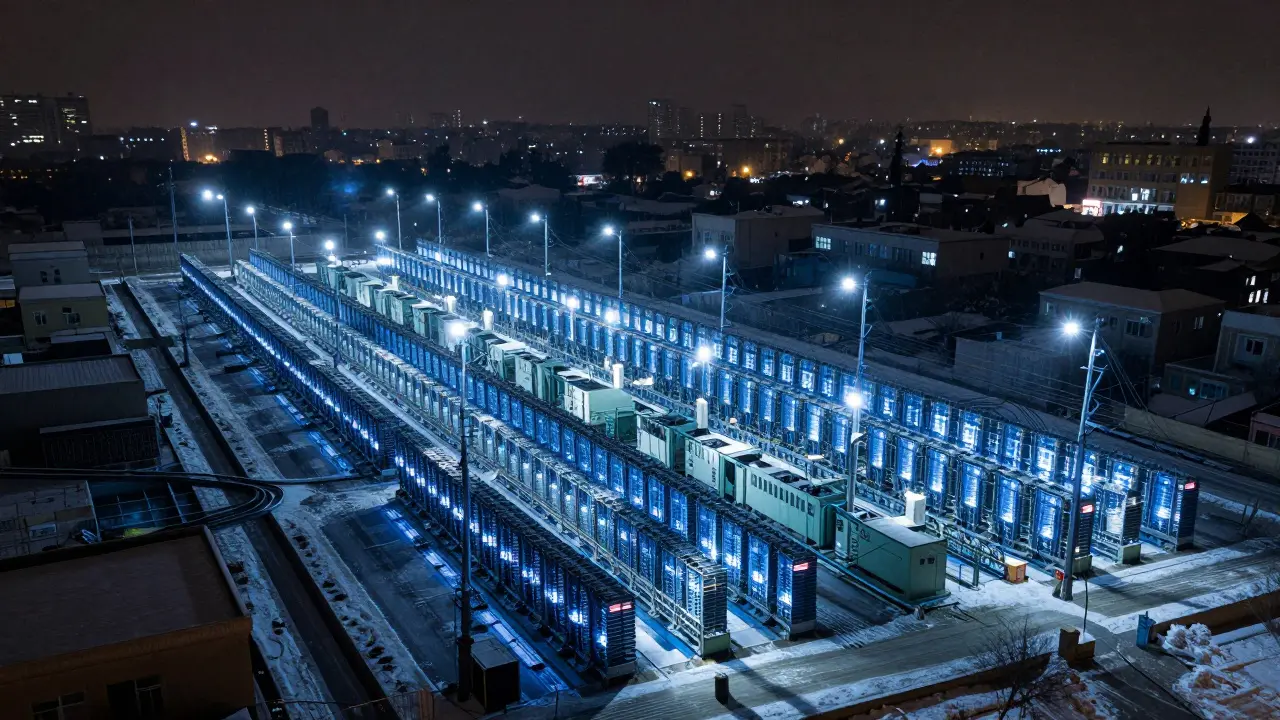
Iran's IRGC runs unlicensed crypto mining on stolen public electricity, fueling sanctions evasion while citizens face blackouts. This isn't crime-it's state policy.
When people talk about Iran cryptocurrency, the use of digital assets by Iranian citizens to bypass financial isolation and combat hyperinflation. Also known as crypto in sanctioned economies, it’s not a trend—it’s a lifeline. Since 2018, as U.S. and EU sanctions choked off access to global banking, Iranians turned to Bitcoin, Tether, and local exchanges just to buy food, pay rent, or send money home. This isn’t speculation. It’s survival.
But it’s not easy. In 2025, crypto restrictions in Iran, government-imposed limits on trading, wallet usage, and foreign exchange access. Also known as Iran’s crypto crackdown, it includes daily trading windows, mandatory tax reporting, and blocked payment gateways. The government doesn’t ban crypto outright—it controls it. Trading hours are limited to 10 PM to 6 AM to reduce visibility. Banks freeze accounts if they detect crypto deposits. In 2024, Tether froze millions, a major move by the USDT issuer that cut off a key escape route for Iranian users. Also known as Tether Iran freeze, this hit users who relied on stablecoins to preserve value. Then came the Nobitex hack, a major Iranian exchange breach that exposed how vulnerable local platforms are to both cyberattacks and state pressure. Also known as Nobitex collapse, it left thousands without access to their funds, even though the exchange was the most trusted in the country.
Yet crypto keeps moving. Iranians trade on decentralized exchanges, use peer-to-peer platforms like LocalBitcoins and Paxful, and rely on Telegram bots to swap USDT for Iranian rials. Some buy crypto in Turkey or Dubai and bring it home. Others mine Bitcoin using cheap electricity, though even that’s being monitored. The government taxes crypto gains at 15%—but enforcement is patchy. What matters isn’t legality. It’s necessity.
What you’ll find below isn’t a list of top coins or trading tips. It’s a collection of real, verified reports on how Iranians are navigating this system—what works, what fails, and what’s been taken away. From exchange shutdowns to frozen wallets, from tax traps to the quiet rise of privacy tools, these stories show the human side of crypto under siege. You won’t find hype here. Just facts, patterns, and the hard truths of staying financially alive in a sanctioned country.
Iran's IRGC runs unlicensed crypto mining on stolen public electricity, fueling sanctions evasion while citizens face blackouts. This isn't crime-it's state policy.