Hermes Protocol: What It Is and How It Connects to DeFi, Airdrops, and Crypto Security
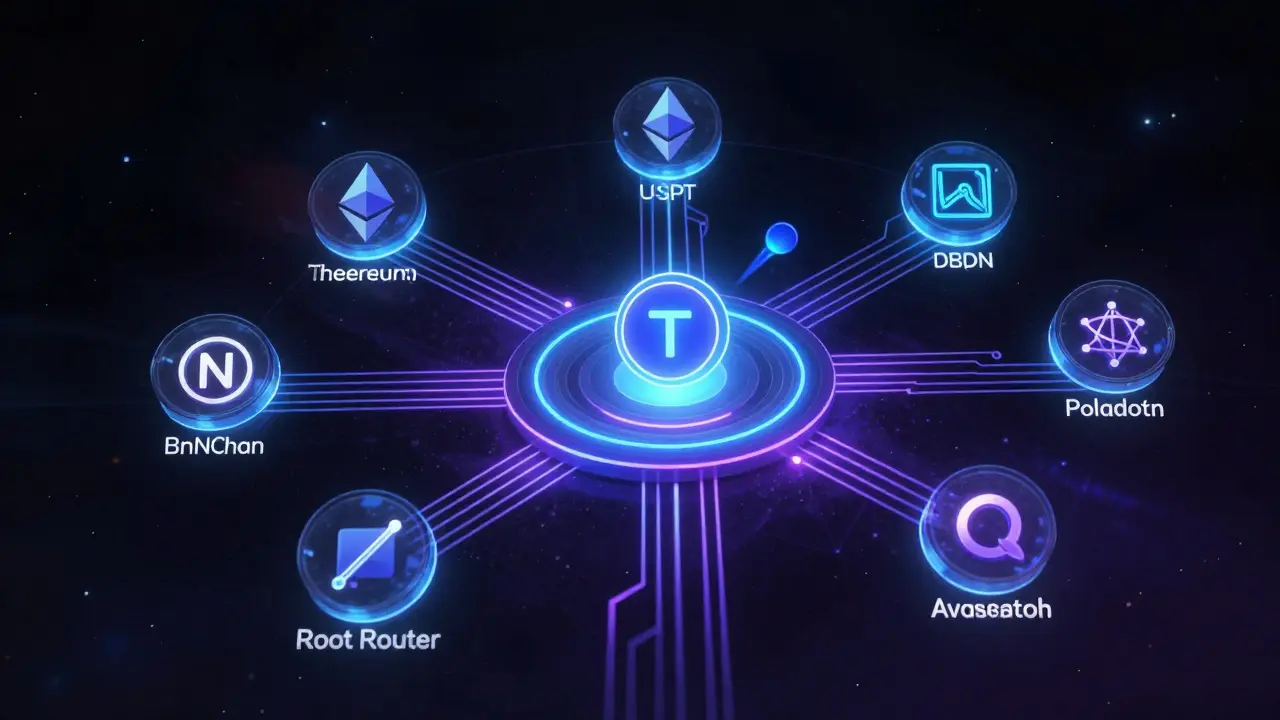
When you hear Hermes Protocol, a cross-chain messaging system designed to connect blockchains securely and efficiently. It's not a coin, not a wallet, but a behind-the-scenes bridge that lets tokens and data move between networks like Ethereum, Solana, and Polygon without needing trusted middlemen. Think of it like a postal service for crypto — it doesn’t create packages, but it makes sure they get delivered safely across borders. Many DeFi apps, airdrop systems, and multi-chain wallets rely on protocols like Hermes to function without breaking trust or exposing users to hacks.
Protocols like Hermes don’t exist in a vacuum. They’re tied to DeFi protocols, decentralized financial systems that let users lend, swap, and earn without banks, which need reliable communication between chains to offer liquidity across networks. That’s why you’ll see Hermes-style tech in platforms like KyberSwap Elastic or Syncswap — both of which operate on Layer 2s and need to talk to other chains. It’s also why crypto airdrops, free token distributions tied to on-chain activity often require users to interact with multiple chains. If you’re claiming a DES Space Drop or a WSG airdrop, chances are Hermes-like infrastructure is quietly verifying your actions across Ethereum, Polygon, or Sui.
And then there’s blockchain security, the set of practices and tools that protect wallets, smart contracts, and treasury funds from theft. Hermes Protocol helps here too. By enabling secure, permissionless communication, it reduces the need for centralized relayers — a common attack point. That’s why multisig wallets like Gnosis Safe and secure DEXs like xSigma prefer to integrate with trusted messaging layers. Without these, you’re relying on one weak link to move millions.
What you’ll find in this collection isn’t a single guide on Hermes Protocol — because there isn’t one. Instead, you’ll see real-world examples of what happens when protocols like this power the crypto world. From airdrops that require cross-chain verification to DEXs that depend on secure bridges, these posts show how infrastructure shapes your experience. Some projects use it well. Others? They’re built on shaky ground. You’ll learn which ones to trust, which ones to avoid, and why the quiet tech behind the scenes matters more than the flashy token price.