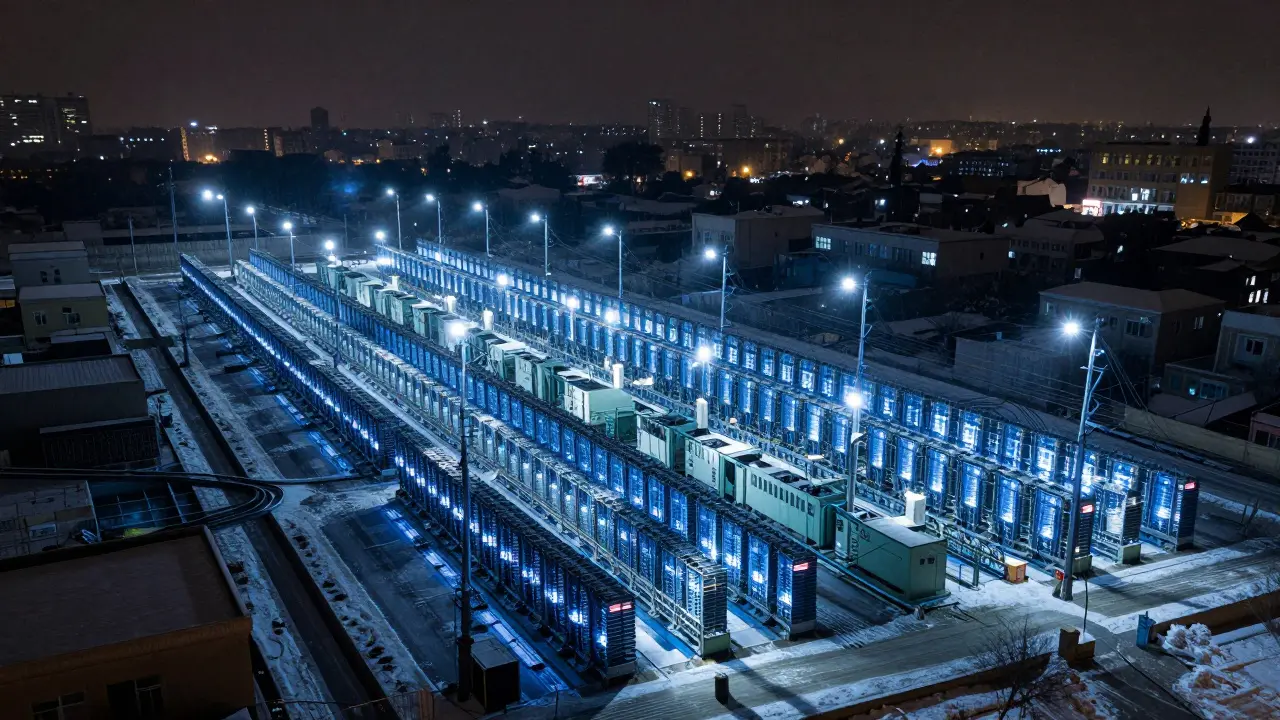
Unlicensed Crypto Mining in Iran: How the IRGC Controls the Power Grid
Iran's IRGC runs unlicensed crypto mining on stolen public electricity, fueling sanctions evasion while citizens face blackouts. This isn't crime-it's state policy.
When governments block access to banks or freeze assets, crypto sanctions evasion, the use of decentralized digital assets to bypass state-imposed financial restrictions. Also known as decentralized financial bypass, it’s not about crime—it’s about survival. In places like Iran and Russia, people use crypto not to gamble, but to feed their families, pay for medicine, or send money home when traditional systems shut them out.
This isn’t theoretical. In 2025, Iranian citizens face daily trading limits, frozen Tether holdings, and payment gateway shutdowns—yet crypto remains one of the few ways to hold value against hyperinflation. Meanwhile, Russian users withdrawing crypto to fiat now hit automatic $600 daily cash limits if their transactions match 12 suspicious patterns. These aren’t random rules—they’re targeted controls. And the tools people use to get around them? Decentralized exchanges, privacy-focused wallets, cross-chain bridges, and stablecoin swaps on protocols like xSigma. These aren’t hidden backdoors—they’re public infrastructure, repurposed out of necessity.
What you’ll find in this collection isn’t a guide to breaking laws. It’s a look at what’s actually happening on the ground. You’ll see how Iran crypto restrictions, the real-world limits placed on cryptocurrency use by the Iranian government. Also known as financial blockade in Iran, it has forced citizens to rely on peer-to-peer networks and non-KYC platforms. You’ll read about how Russia crypto withdrawal, the process of converting crypto to cash under strict Russian banking surveillance. Also known as crypto-to-fiat compliance traps, it’s now a high-risk game of timing and transaction patterns. And you’ll see how tools like DeFi aggregators, non-custodial wallets, and tokenized stablecoins are quietly becoming lifelines—not because they’re perfect, but because there’s nothing else left.
The posts here don’t glorify evasion. They document it. From fake airdrops pretending to help sanctioned users, to real DEXs that work without KYC, this collection cuts through the noise. You’ll learn what’s real, what’s a scam, and who’s actually benefiting from these systems. No theory. No hype. Just what’s happening when the banks say no—and crypto is the only yes left.
Iran's IRGC runs unlicensed crypto mining on stolen public electricity, fueling sanctions evasion while citizens face blackouts. This isn't crime-it's state policy.