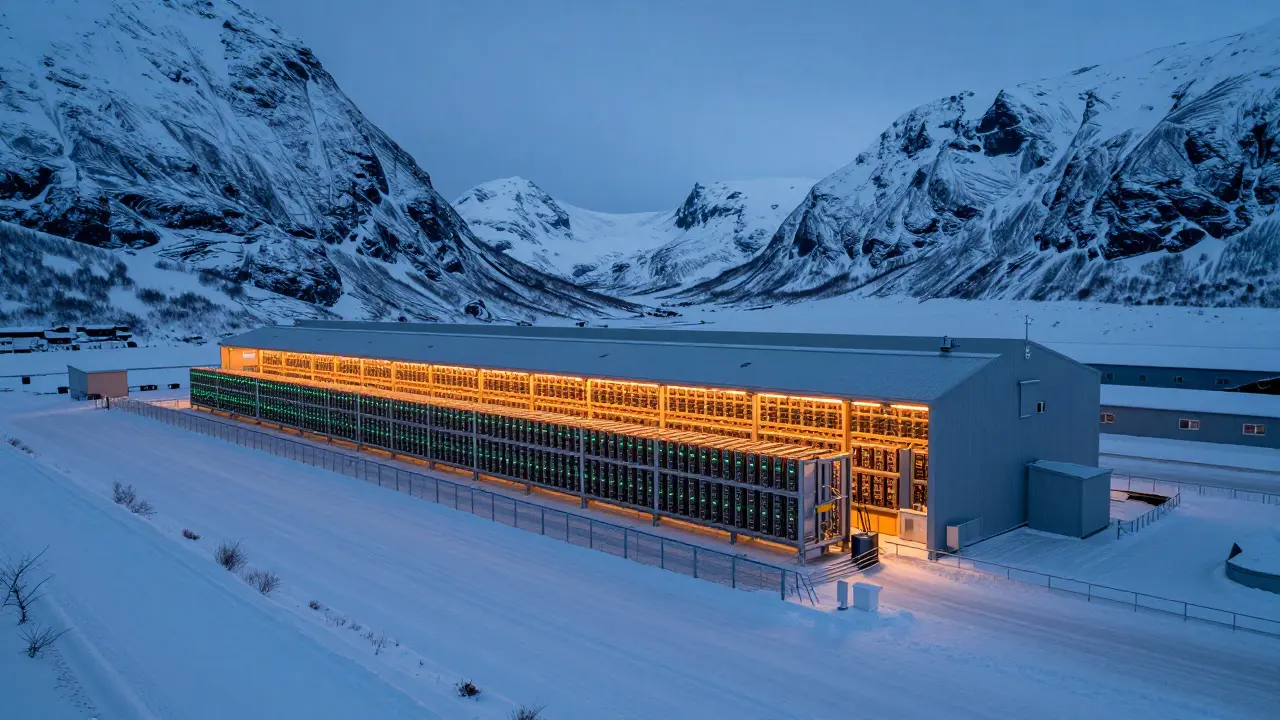
Norway was once a paradise for crypto miners, offering a cocktail of cold weather and cheap hydroelectric power. But the party has shifted. If you're planning to set up a mining operation or already have hardware humming in a Norwegian warehouse, you're now dealing with the most restrictive regulatory environment in Europe. The government has decided that the massive energy appetite of Norway crypto mining ban measures is no longer a fair trade-off for the minimal jobs the industry creates.
The New Rules of the Game
As of January 1, 2025, the landscape changed completely with the introduction of the Norwegian Electronic Communications Act. This isn't just a set of guidelines; it's a mandatory registration system. Essentially, Norway has created the first national data center registry in Europe. If you run a facility, you can't just operate in the shadows anymore.
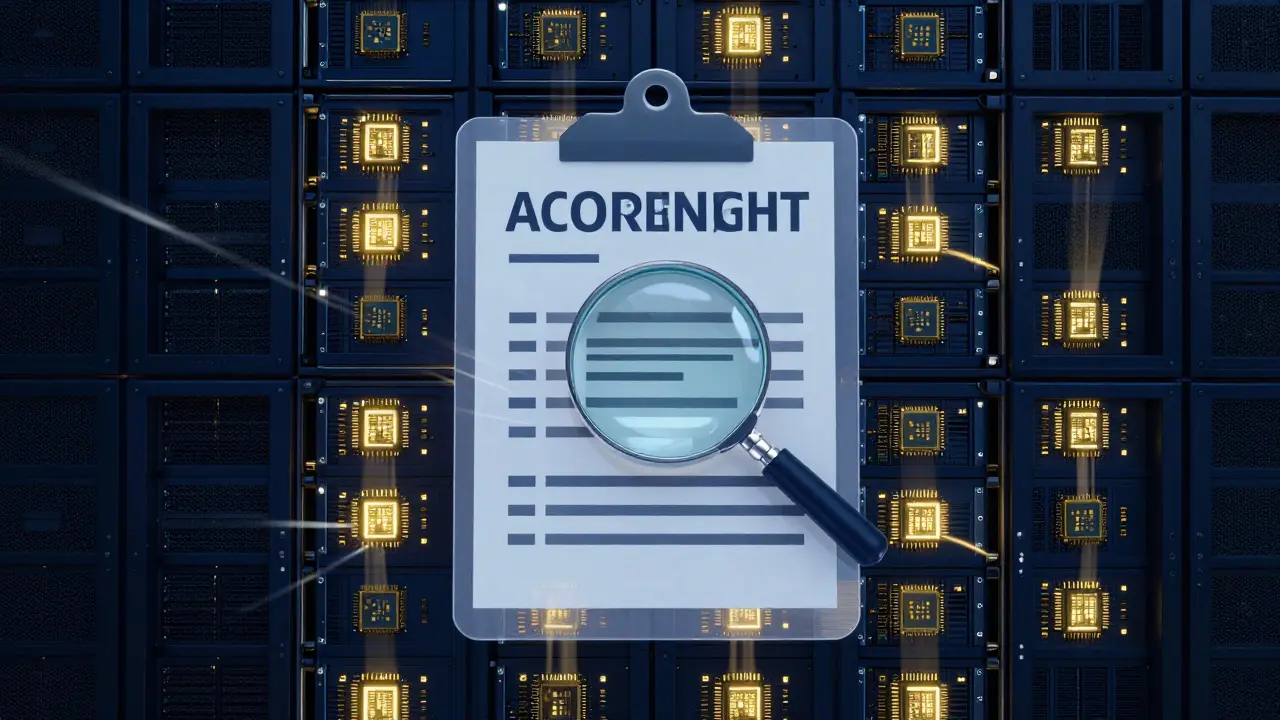
The Norwegian Communications Authority, known as Nkom, is the agency holding the clipboard. They require every operator to disclose everything: your company name, physical address, legal status, and a direct point of contact. More importantly, you have to provide a detailed list of your customers. If your facility is primarily serving crypto miners, the government now knows exactly where those machines are and how much power they're pulling.
For those who were already operating, there was a grace period until July 1, 2025. If you missed that window or decide to ignore the rules, the penalties are brutal. We're talking about fines up to 5% of your annual turnover. For a large-scale operation, that's a hit that can wipe out years of profit in a single stroke.
The Temporary Ban on New Mining
While registration is about oversight, the ban is about stopping growth. Announced in early 2024 and fully implemented in autumn 2025, Norway has placed a temporary ban on new cryptocurrency mining data centers. This specifically targets the most power-hungry technologies-think massive farms of ASIC miners.
It's important to understand the nuance here: this isn't a total blackout like the 2021 ban in China. Existing facilities are allowed to keep running for now. However, you cannot build new mining-specific data centers or expand your current footprint to include new mining operations. Minister Karianne Tung from the Ministry of Digitalization and Public Administration has been very blunt about this, stating the government's clear intention is to limit mining as much as possible.
| Feature | Norway (2025/26) | Iceland / Sweden | China (Post-2021) |
|---|---|---|---|
| New Mining Facilities | Banned (Temporary) | Generally Permitted | Strictly Prohibited |
| Existing Operations | Permitted (with registration) | Permitted | Illegal |
| Registration Req. | Mandatory & Detailed | Standard Business Licensing | N/A (Banned) |
| Primary Focus | Energy Conservation | Economic Attraction | Financial Stability |
Why Norway is Pulling the Plug
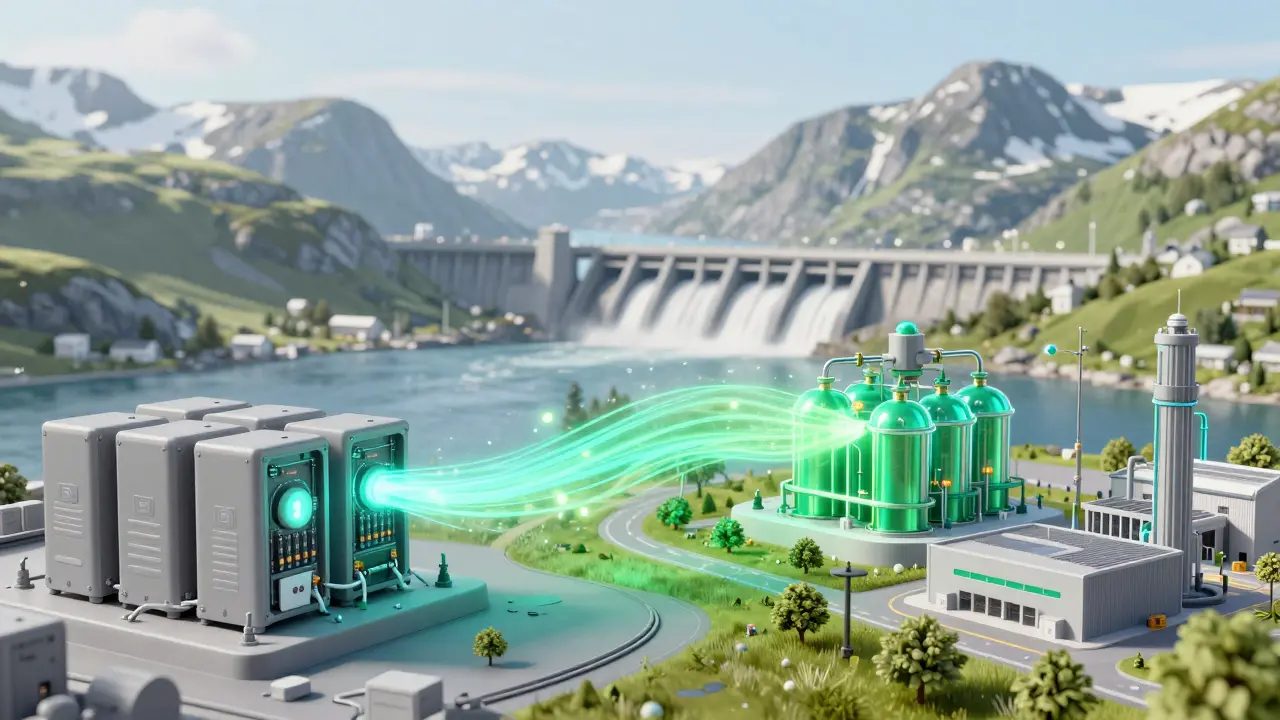
You might wonder why a country with so much hydroelectric power would care about a few thousand miners. The issue isn't a lack of electricity, but rather a conflict over "social value." Minister Terje Aasland of the Ministry of Energy argues that electricity should go to industries that actually build local communities-like manufacturing or green hydrogen production.
From the government's perspective, crypto mining is a "low-value" use of energy. It consumes megawatts of power but creates almost zero local jobs since most farms are automated. By redirecting this energy, Norway hopes to support traditional industries that provide stable employment and higher economic returns for the average citizen. It's a fundamental shift from seeing renewable energy as a commodity to sell to the highest bidder to seeing it as a strategic national resource.
Navigating the Compliance Maze
If you are still operating in Norway, your legal checklist just got longer. You aren't just dealing with energy ministries; you're also crossing paths with the Norwegian Financial Supervisory Authority (FSA). Throughout 2025, Norway has been aligning itself with the EU's Markets in Crypto Assets regulation, better known as MiCA.
This means operators are squeezed from two sides: the Nkom is watching your electricity usage and physical hardware, while the FSA is watching your financial transactions and asset management. For small-scale miners, the administrative burden is becoming a nightmare. Between the legal fees to ensure registration is correct and the ongoing reporting requirements, the "cheap energy" advantage is being eaten away by compliance costs.
The Ripple Effect: Where is the Hash Rate Going?
We're already seeing a trend of "regulatory arbitrage." When the autumn 2025 ban hit, many international investment firms didn't fight the Norwegian government-they just moved. Planned investments are shifting toward other Nordic neighbors like Iceland or Finland, or heading across the Atlantic to North American sites with similar renewable profiles.
This movement is doing more than just shifting profits; it's changing the global distribution of the hash rate. As Norway-a key node for green mining-closes its doors to new players, the decentralization of the network is put to the test. If mining concentrates too heavily in a few "friendly" jurisdictions, the original goal of a distributed network starts to look a bit more like a centralized corporate cluster.
Can I still mine crypto in Norway if I already have a setup?
Yes, existing operations are currently permitted. However, you must be registered with the Norwegian Communications Authority (Nkom). Failure to comply with registration requirements can lead to heavy fines, up to 5% of your annual turnover.
Is there a total ban on all cryptocurrency activities?
No. The restrictions specifically target the physical infrastructure of data centers used for mining. Buying, selling, and holding cryptocurrency remains legal, and the country is implementing MiCA regulations to provide a clear framework for crypto-asset services.
When did the new data center registration laws start?
The Norwegian Electronic Communications Act took effect on January 1, 2025. Existing data centers had until July 1, 2025, to register their operations with the government.
What exactly is banned in the autumn 2025 measure?
The ban applies to the establishment of new cryptocurrency mining data centers, particularly those utilizing energy-intensive technologies. It prevents the sector from expanding but does not shut down existing facilities.
Who enforces these mining restrictions?
Enforcement is a joint effort. Nkom handles the registration and oversight of data centers, while the Ministry of Energy and the Ministry of Digitalization and Public Administration set the policy and restrictions on energy use.
Next Steps for Operators
If you're currently operating a facility in Norway, your first priority is a compliance audit. Ensure your registration with Nkom is current and that your customer lists are accurate. If you're looking to expand, stop immediately and consult with a legal expert specializing in Nordic energy law; the risks of building a new site right now far outweigh the potential rewards.
For those looking for a new home for their hardware, look toward jurisdictions that are actively integrating MiCA but haven't yet implemented national energy bans. The era of "wild west" mining in the Nordics is ending, and the new winners will be those who can balance energy efficiency with strict regulatory transparency.