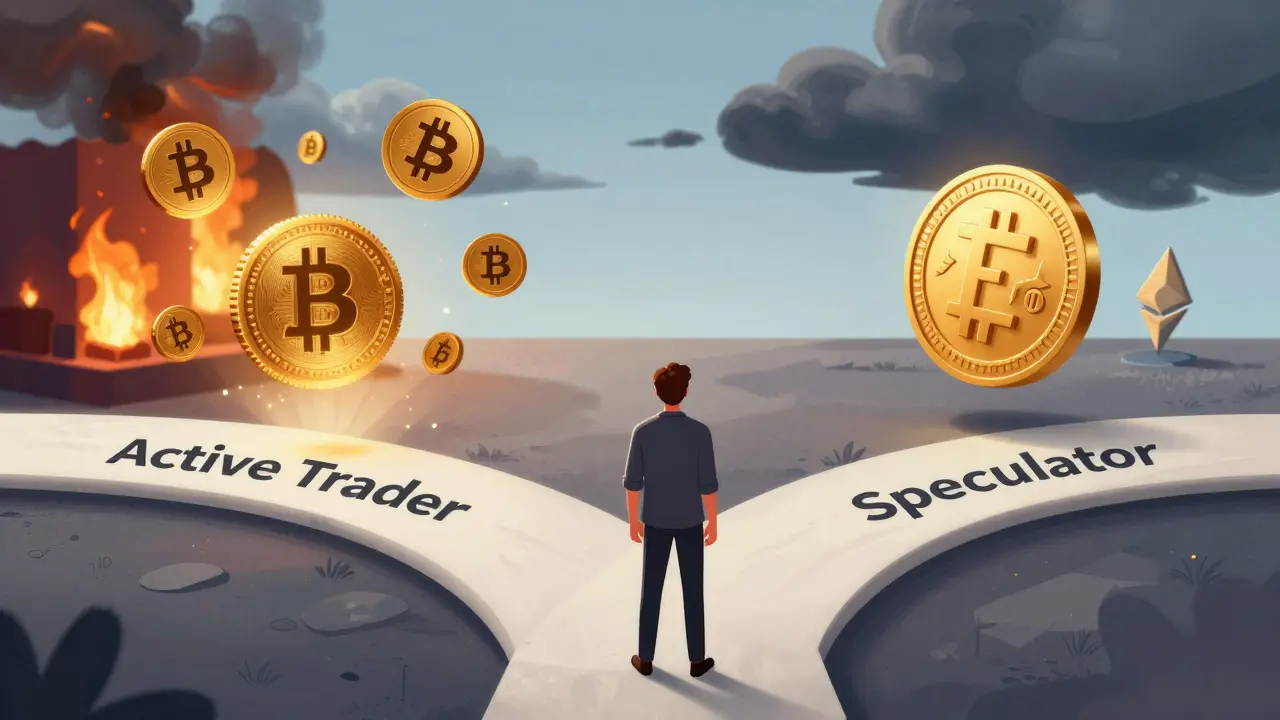
Exchange tokens like BNB, OKB, and CRO aren’t just digital collectibles-they’re tied directly to the companies running the exchanges you use to trade crypto. But are they good investments? The answer isn’t yes or no. It depends on whether you’re trading every day, holding for the long haul, or just hoping for a quick flip. Most people don’t realize these tokens are more like membership cards with financial side effects than traditional assets.
What Exactly Are Exchange Tokens?
Exchange tokens are digital coins created by cryptocurrency platforms like Binance, OKX, KuCoin, and Crypto.com. They’re not like Bitcoin or Ethereum, which exist on their own networks. These tokens run on the exchange’s own blockchain or a partner chain-like BNB on BNB Chain-and their value is tied to how well the exchange performs.
Think of them as loyalty points with real money attached. If you trade on Binance, holding BNB gives you discounts on trading fees-sometimes up to 50%. If you use OKX, OKB lowers your fees and gives you early access to new coin listings. These aren’t gimmicks. They’re designed to keep you trading on their platform, and the more you trade, the more the exchange makes-and the more value it can theoretically return to token holders.
How Do These Tokens Gain Value?
There are three real ways exchange tokens create value for holders:
- Fee discounts - If you trade $10,000 a month on Binance and hold BNB, you could save $50 or more just in fees. That’s cash back you’re not paying to someone else.
- Token burns - Binance burns BNB every quarter. They take a portion of their profits and buy back BNB from the market, then destroy it. Since 2019, over 4.5 million BNB have been burned. Less supply means scarcity-and scarcity can push prices up.
- Staking rewards - Some exchanges let you lock up your token and earn more. For example, staking KCS on KuCoin gives you a share of platform fees. It’s not high yield, but it’s passive income tied to real usage.
These aren’t theoretical promises. They’re coded into the platform’s operations. When Binance makes $1 billion in trading fees in a quarter, a chunk of that goes back into burning BNB. That’s a direct link between business success and token value.
The Hidden Risks No One Talks About
Here’s the problem: exchange tokens are betting on a company, not a technology. You’re not investing in blockchain-you’re investing in whether Binance stays in business.
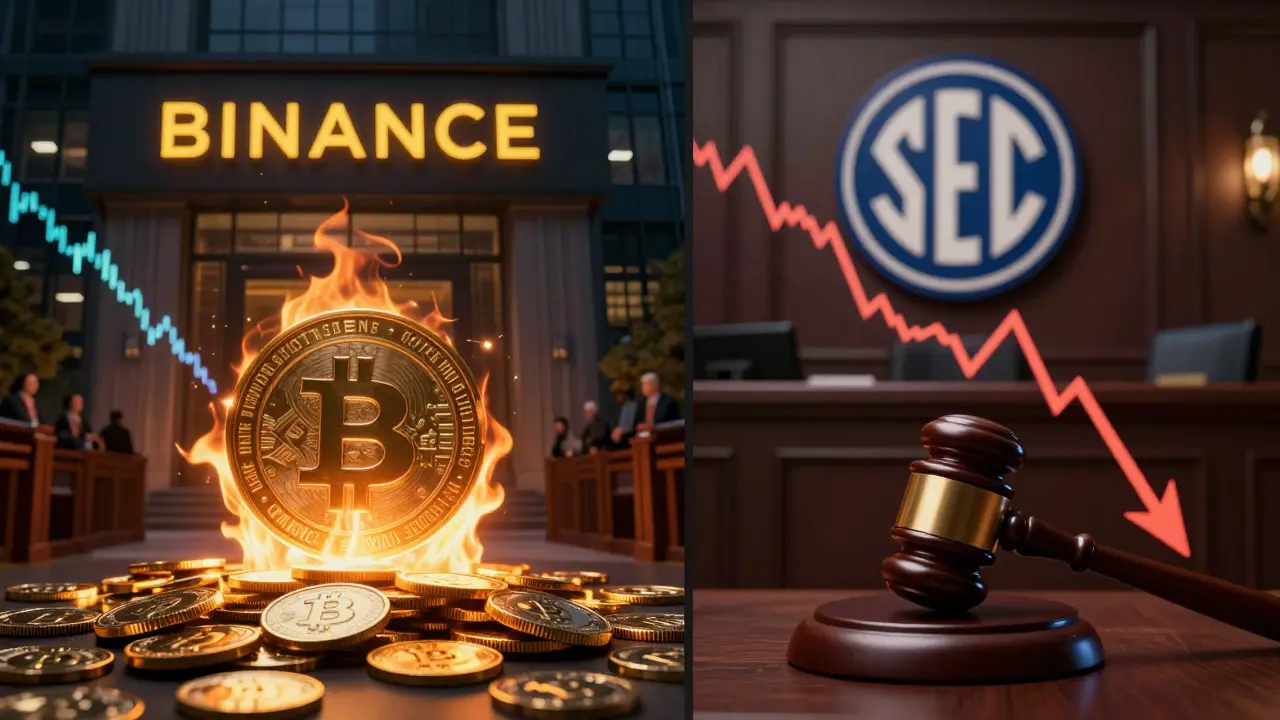
Regulatory pressure is the biggest threat. In 2023, the U.S. SEC sued Binance and its CEO for operating as an unregistered securities exchange. The case is still ongoing. If regulators force Binance to shut down U.S. operations or change how it handles BNB, the token’s value could crash overnight. That’s not speculation-it’s legal reality.
Then there’s competition. Coinbase doesn’t have a token. Kraken doesn’t either. And they’re still among the top five exchanges globally. That tells you something: you don’t need a token to succeed. If a new exchange with better fees, security, or UI comes along, users will leave-and so will the demand for its token.
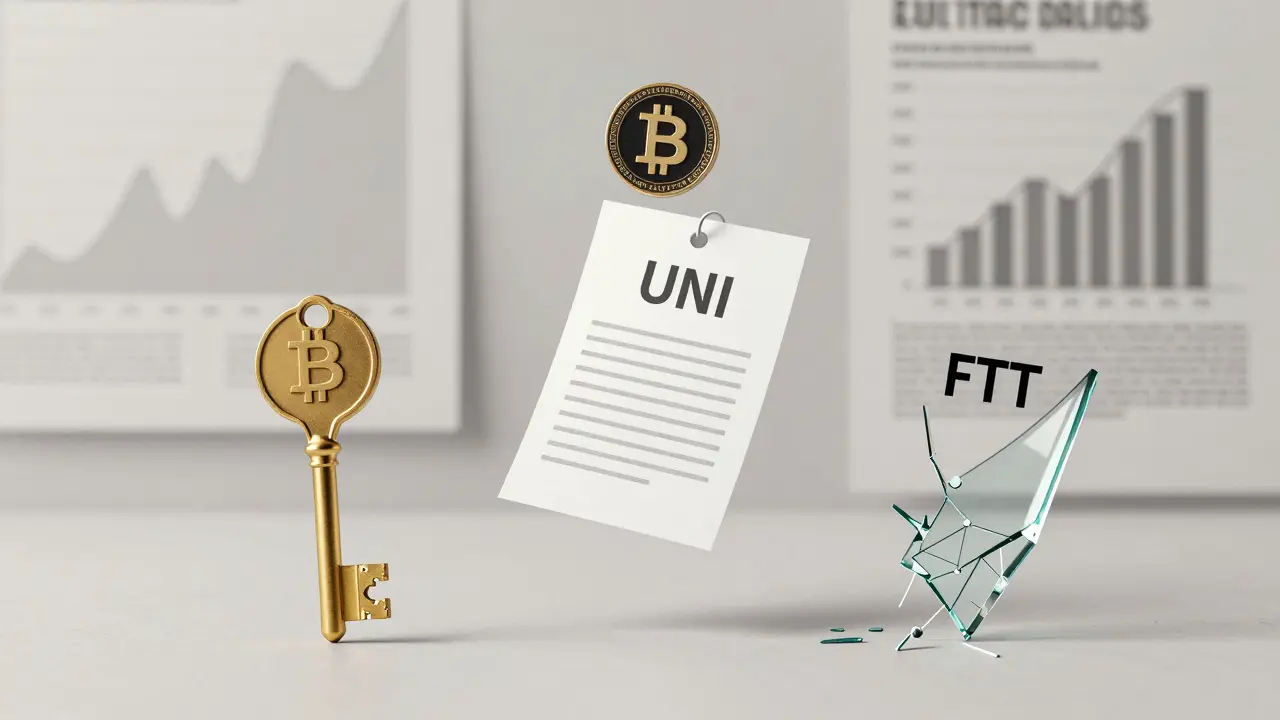
Security matters too. In 2022, the exchange FTX collapsed after users found out their funds weren’t safe. FTX had its own token, FTT. It went from $30 to zero in days. No warning. No recovery. Just gone.
Centralized vs. Decentralized Exchange Tokens
Not all exchange tokens are the same. There are two main types:
- Centralized exchange tokens (CEX) - BNB, OKB, HT, KCS. These are issued by companies that control the platform. Their value depends on management decisions, profits, and legal survival.
- Decentralized exchange tokens (DEX) - UNI (Uniswap), SUSHI (SushiSwap), DODO. These run on smart contracts. No CEO. No headquarters. No corporate structure. Governance is decided by token holders voting on proposals.
DEX tokens feel more "crypto-native." But here’s the catch: Uniswap has over 100 competitors. PancakeSwap, SushiSwap, 1inch-they all do the same thing. So even if you hold UNI, you’re not betting on a monopoly. You’re betting on being the biggest in a crowded room.
CEX tokens are simpler: if the exchange thrives, the token rises. But if the exchange gets in trouble, the token dies with it. DEX tokens are more resilient to shutdowns but harder to predict because adoption is messy and slow.
Who Should Own Exchange Tokens?
These tokens make sense for only a few types of people:
- Active traders - If you trade crypto daily, the fee discounts alone can cover the cost of buying the token-and then some. For example, if you save $200 a year in fees and the token costs $100, you’ve already broken even before the price moves.
- Long-term believers - If you think Binance will dominate crypto for the next decade, holding BNB is a way to bet on that. But you need to accept that its price will swing with market sentiment, regulatory news, and exchange performance.
- Users of a specific platform - If you only use KuCoin, then KCS makes sense. Don’t buy BNB just because it’s popular. Buy it because you trade on Binance.
If you’re not trading regularly, or if you want stable returns, exchange tokens are a bad fit. They’re too volatile, too tied to one company, and too exposed to legal risk. You’re better off with Bitcoin or Ethereum-or even a diversified crypto index.
What About Tokens Like UNI?
Uniswap’s UNI is often grouped with exchange tokens, but it’s different. Uniswap doesn’t make money from trading fees like Binance does. Instead, it earns from protocol fees paid by liquidity providers. UNI holders vote on changes to the protocol, but they don’t get cash payouts. There’s no burning mechanism. No fee discounts.
So why does UNI have value? Mostly because people believe in decentralized finance. It’s a bet on the future of open protocols, not a company’s bottom line. That’s a different investment thesis. UNI isn’t a loyalty card-it’s a vote.
The Bottom Line
Exchange tokens aren’t investments in the traditional sense. They’re utility tools with speculative upside. If you’re using the exchange anyway, buying the token can make sense. The discounts, burns, and staking rewards add up. But if you’re buying just because you heard BNB went up 300% last year-you’re gambling.
There’s no guarantee any exchange token will survive. Binance is the biggest now, but that doesn’t mean it will always be. Crypto moves fast. Regulations shift. New platforms rise. Tokens can vanish.
Only invest what you can afford to lose. And never buy an exchange token without understanding the platform behind it. Your token’s value isn’t written in code. It’s written in business reports, legal filings, and user traffic.
Are exchange tokens safe to invest in?
No investment in exchange tokens is truly "safe." They’re subject to regulatory crackdowns, exchange failures, and extreme price swings. BNB and OKB are among the most stable, but even they dropped over 60% during the 2022 crypto crash. Treat them as high-risk assets, not savings.
Do I need to hold exchange tokens to trade on the platform?
No. You can trade on Binance, OKX, or KuCoin without holding their token. But you’ll pay full trading fees. If you trade frequently, holding the token saves money. For occasional traders, the savings aren’t worth the added risk.
Can exchange tokens replace stocks as investments?
Not really. Stocks give you ownership in a company with clear financial reporting, dividends, and legal protections. Exchange tokens offer none of that. Even Binance, the largest exchange, isn’t public. You can’t audit its books. You’re investing in a black box.
Which exchange token has the best track record?
BNB has the strongest history. It’s been around since 2017, has consistent burns, massive adoption, and a functioning blockchain. OKB and KCS have grown, but neither has BNB’s volume or ecosystem. UNI has value but lacks direct revenue sharing. BNB is the only one with a proven, long-term model.
What happens if an exchange shuts down?
If an exchange shuts down, its token usually becomes worthless. FTX’s FTT crashed to zero after the platform collapsed. Even if the token still trades on other exchanges, there’s no utility left-no discounts, no staking, no governance. Without the platform, the token has no reason to exist.
Should I buy exchange tokens now?
Only if you’re already using the exchange and plan to keep using it. If you’re buying because you think it’ll double next month, you’re speculating. The best time to buy is when you need the utility-not when the price is rising.
What Comes Next?
Exchange tokens are still evolving. Some exchanges might start paying dividends. Others might integrate with DeFi protocols. But the core truth won’t change: their value is tied to the health of a single company. That’s not how you build lasting wealth. It’s how you make high-risk bets.
If you’re serious about crypto investing, focus on assets with real utility, broad adoption, and decentralized networks. Exchange tokens? Use them if they save you money. Don’t use them to get rich.