Multisignature Wallet: How It Keeps Your Crypto Safe and Who Uses It
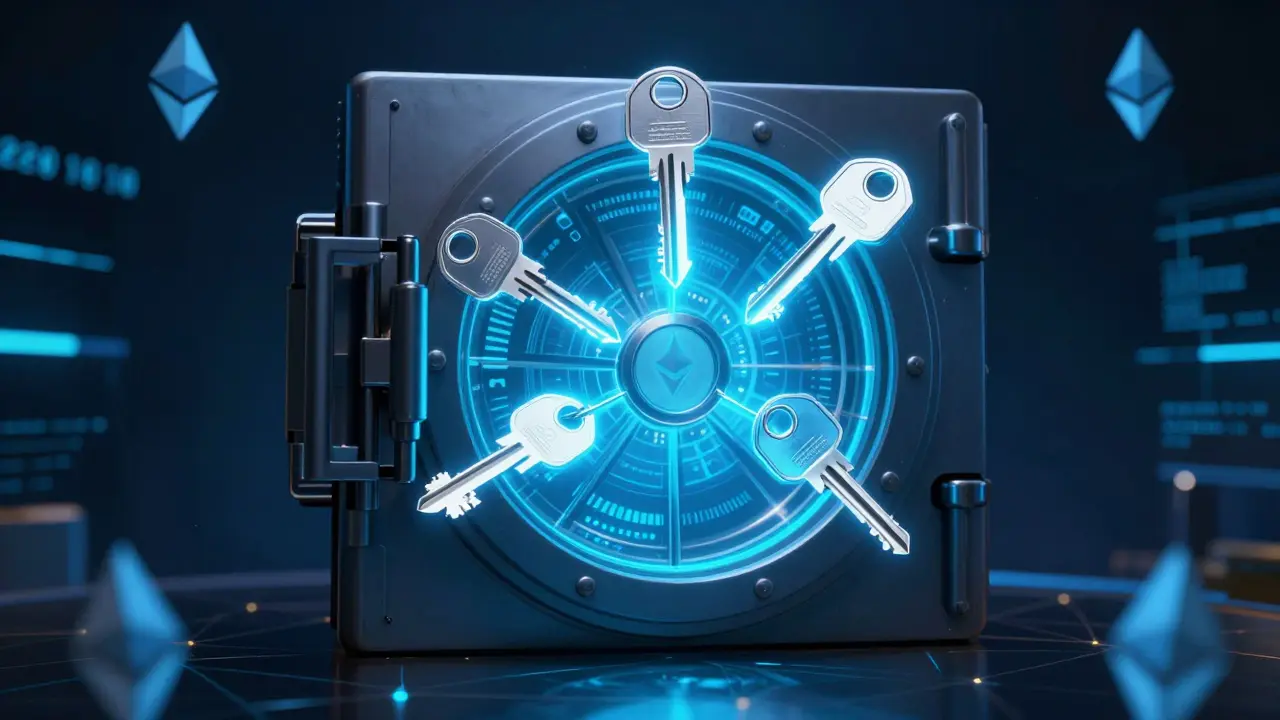
When you hold crypto, you’re not just storing money—you’re holding the keys to your digital life. A multisignature wallet, a type of crypto wallet that requires two or more private keys to authorize a transaction. Also known as M-of-N wallet, it’s the gold standard for security because no single person or device can steal your funds. Think of it like a bank vault that needs two people to open it—one with a key, another with a code. If one key gets lost or hacked, your money stays locked. That’s the whole point.
This isn’t just for paranoid investors. hardware wallets, physical devices that store crypto offline and are often used with multisig setups are the most common companion to multisig. Companies like Ledger and Trezor let you set up 2-of-3 or 3-of-5 signatures so even if your phone dies or your laptop gets infected, you’re still covered. And cold storage, the practice of keeping crypto offline to avoid online threats? Multisig makes cold storage actually usable for teams, DAOs, and family inheritances. You don’t need to trust one person. You trust the system.
It’s not magic. It’s math. You pick how many signatures you need (M) out of how many total keys you have (N). 2-of-3 is the sweet spot: one key on your phone, one on a hardware device, one with a trusted friend. If you lose one, you’re fine. If two get stolen, you’re still safe. Exchanges like Coinbase and Kraken use 4-of-7 or higher for their hot wallets. DAOs like MakerDAO use multisig to control treasury funds—no single dev can drain it. Even families use it to pass crypto to heirs without handing over all the keys at once.
But here’s the catch: multisig isn’t for everyone. Setting it up takes work. You need to understand key management, backup strategies, and recovery procedures. If you mess up the setup, you could lock yourself out forever. That’s why so many posts here warn about scams, failed exchanges, and lost keys—because if you don’t get multisig right, you’re just as vulnerable as someone holding everything on an exchange.
What you’ll find below isn’t a list of wallet brands. It’s a collection of real-world stories about how people use multisig—or fail to. From teams losing access to DAO funds because they didn’t update their keys, to users getting burned by fake airdrops that tricked them into signing malicious transactions. You’ll see how multisig interacts with DeFi, exchanges, and even government regulations. It’s not about the tool. It’s about how you use it.